Muriate of Potash MOP potassium chloride KCL Granular
Muriate of Potash MOP potassium chloride KCL Granular is the most widely used potassium fertilizer in global agriculture, delivering around 60% K₂O in a free‑flowing, pink‑to‑red granular form. It is the standard “0‑0‑60” potash product for blending with urea, DAP, MAP, and other N/P fertilizers to create customized NPK mixes for row crops, horticulture, and plantation agriculture.
This commercial article is optimized for buyers, distributors, and procurement teams searching for Muriate of Potash MOP potassium chloride KCL Granular across the full funnel: from specifications and grades to supplier types (manufacturer, exporter, wholesaler), bulk purchasing, and indicative MOP fertilizer price ranges in 2026. Muriate of Potash MOP potassium chloride KCL Granular
Muriate of Potash MOP potassium chloride KCL Granular
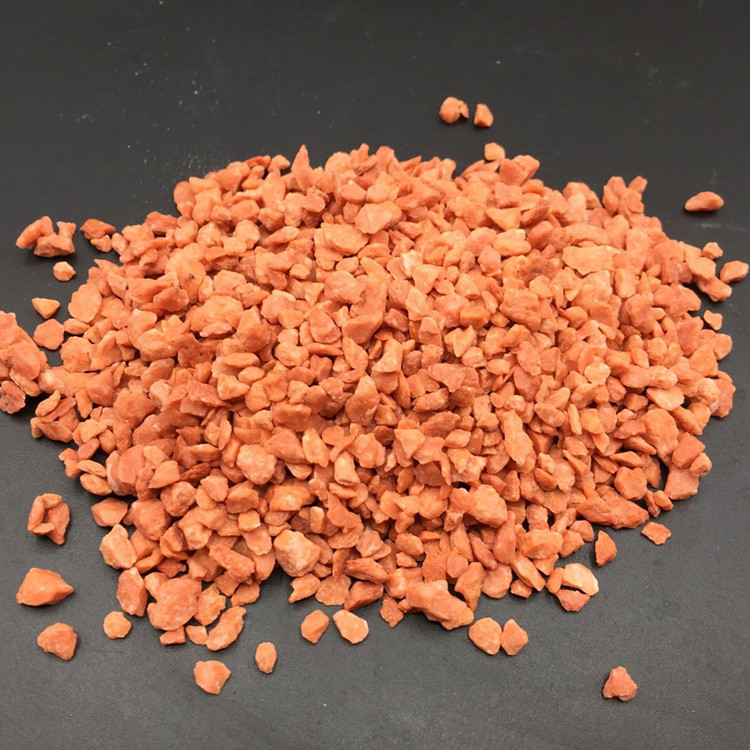
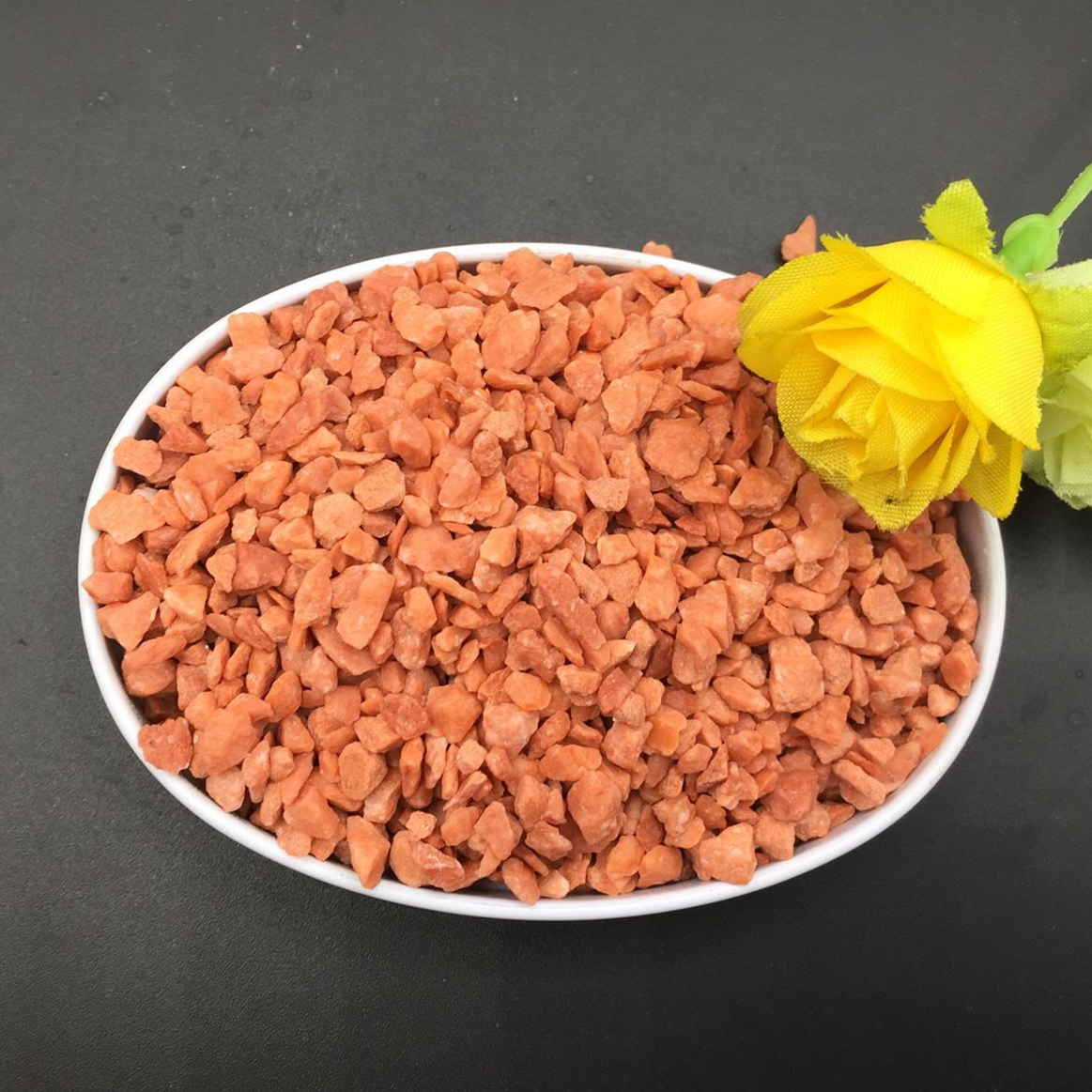
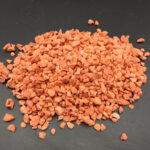
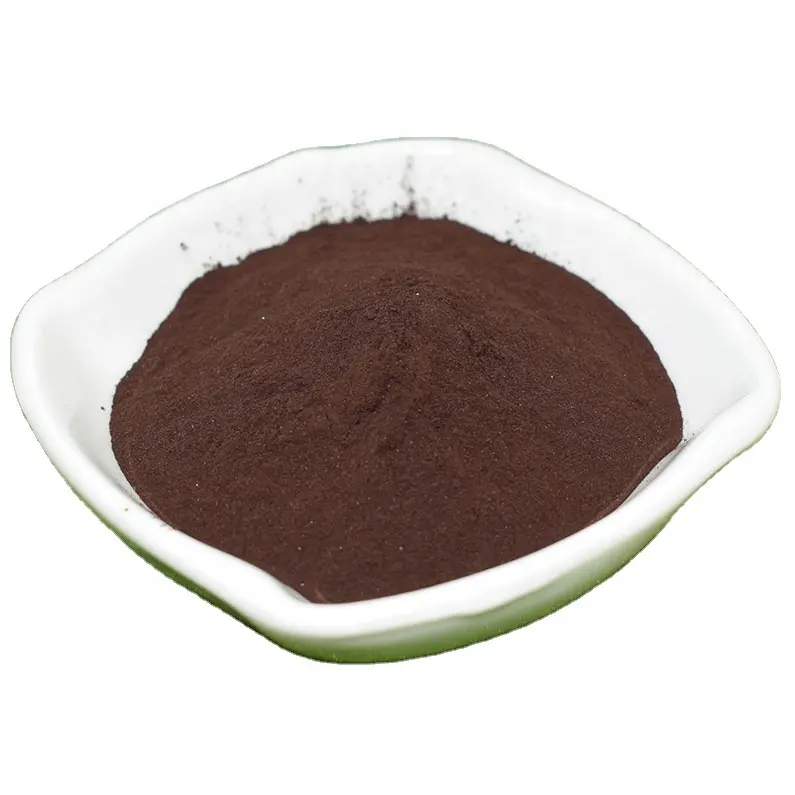
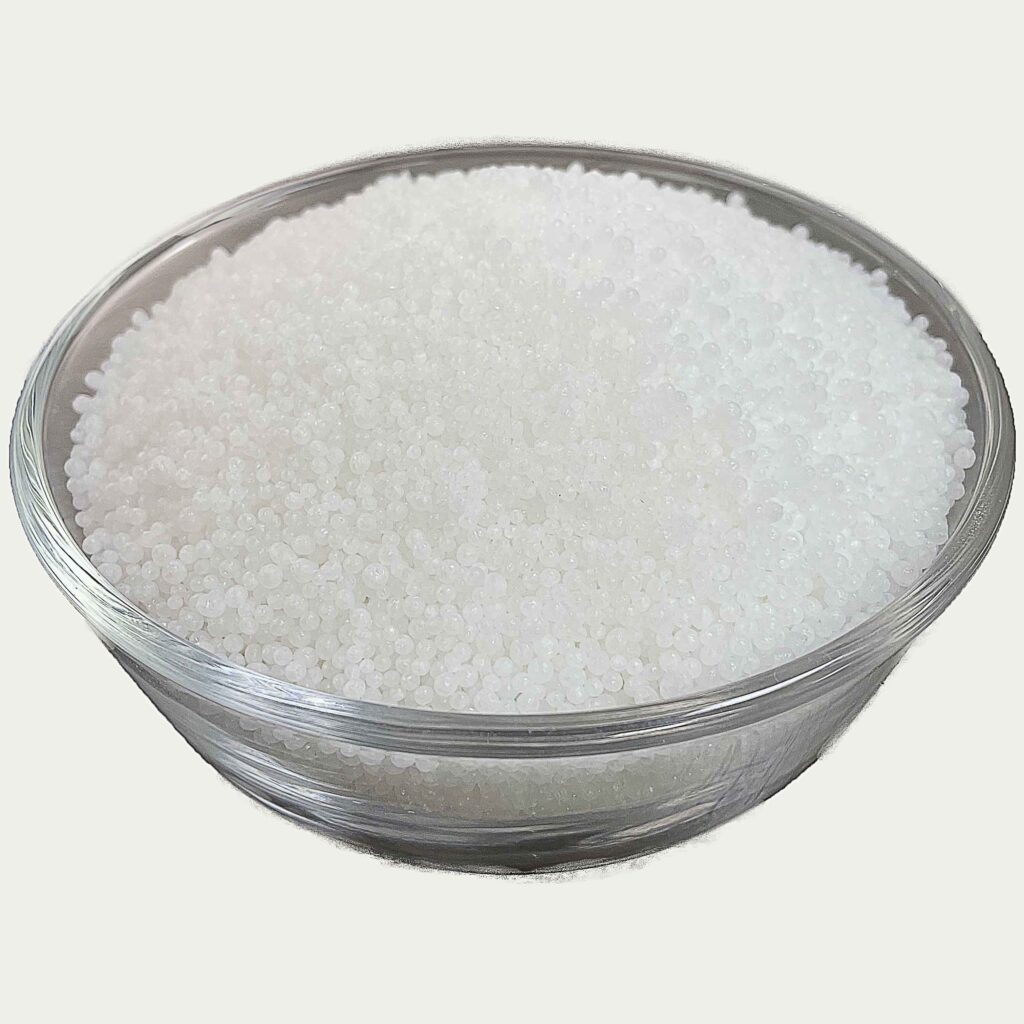
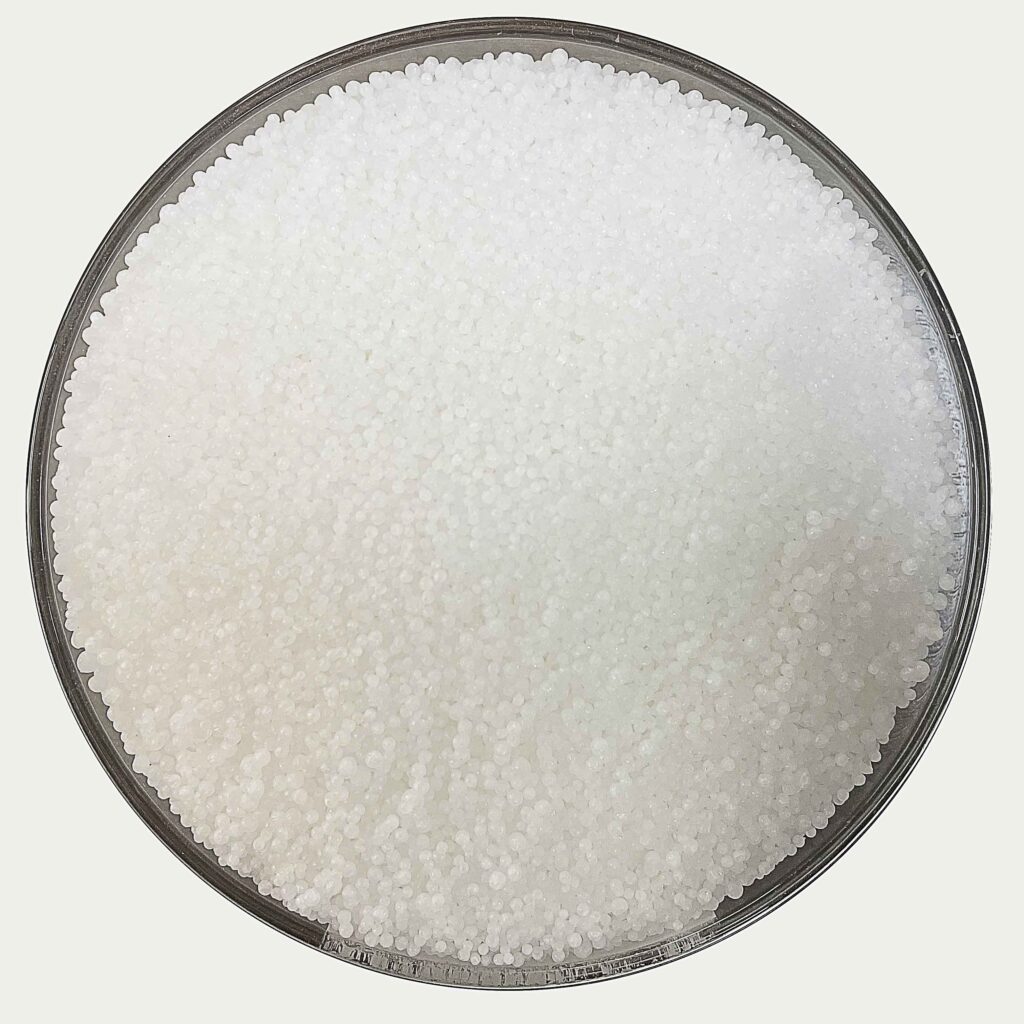
Muriate of Potash (MOP) is the common name for potassium chloride (KCl) used as a fertilizer. In its granular form, MOP consists of 1–4 mm particles that are amine‑coated for anti‑caking, free‑flowing behavior, and compatibility with bulk blending systems.
Typical specifications for granular MOP include:
-
K₂O (potassium oxide): 60–62% minimum (most contracts specify ≥ 60.0%)
-
KCl content: ≥ 95% typical
-
Chloride (Cl): ≤ 47%
-
Moisture: ≤ 1.0% (some specs target ≤ 0.5–0.8%)
-
Particle size: 1.0–4.0 mm granular; 2–4 mm is common for blending grades
-
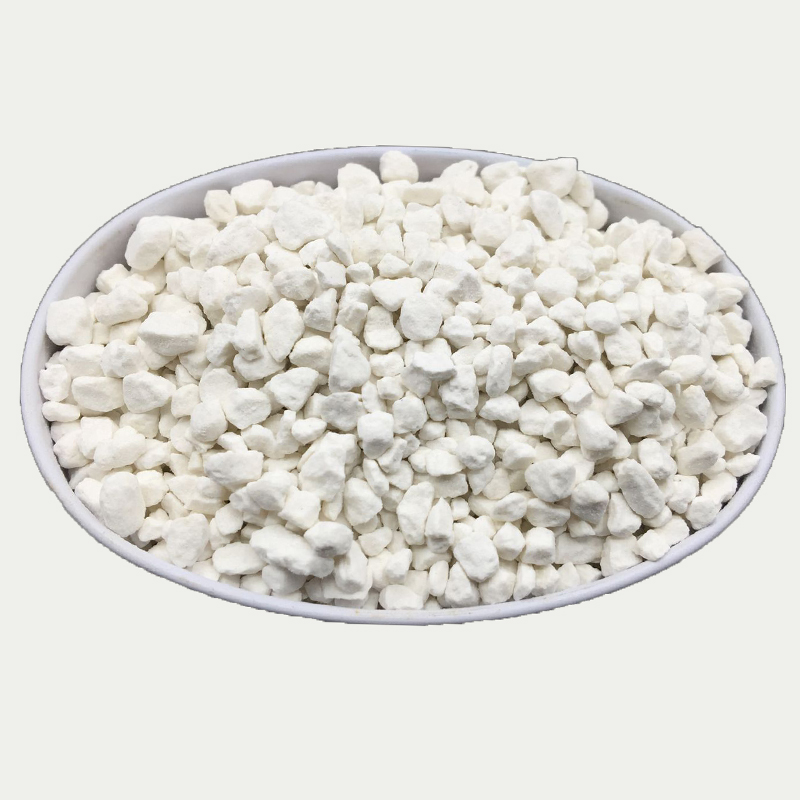
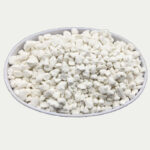
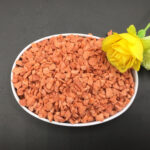
Appearance: pink to red granules (iron oxide impurities give the characteristic color); white/standard grades also exist for specific markets
-
Anti‑caking agent: amine‑based coating to ensure flowability in bulk handling
“Granular” distinguishes this product from standard (smaller crystal) or crystalline MOP, and is preferred for mechanized application and NPK blending plants.
MOP fertilizer
MOP fertilizer is the shorthand term used by agronomists, traders, and farmers for potassium chloride applied as a potassium source. Its primary roles include:
-
Improving root development, water use efficiency, and stress tolerance
-
Enhancing fruit size, color, and quality in many crops
-
Balancing N and P nutrition in high‑yielding systems
Because MOP contains chloride, it is generally avoided or carefully managed on chloride‑sensitive crops (e.g., some tobacco, potatoes, certain fruits), where sulphate of potash (SOP) may be preferred.
Muriate of Potash fertilizer
“Muriate of Potash fertilizer” is the traditional agronomic name still widely used in labels, tenders, and trade. In commercial documents you will often see:
-
Grade: 0‑0‑60 or 0‑0‑62 (N‑P‑K₂O)
-
Form: Granular, standard, or crystalline
-
Origin: Canadian, Russian, Belarusian, or other major potash basins, often re‑exported via trading hubs
Buyers specifying “Muriate of Potash fertilizer” should confirm granular vs standard grade, K₂O minimum, particle size, and packaging (50 kg bags, jumbo bags, or bulk vessel).
Potassium chloride fertilizer
“Potassium chloride fertilizer” is the chemical‑name equivalent of MOP and is common in technical specs, safety data sheets, and industrial procurement. Key points:
-
Chemical formula: KCl
-
Main nutrient: K (expressed as K₂O in fertilizer labeling)
-
Chloride content: inherent to the chemistry; relevant for crop selection and soil salinity management
When sourcing potassium chloride fertilizer, ensure the product is labeled as fertilizer grade and meets agricultural specifications for K₂O, moisture, and particle size.
Granular MOP fertilizer
Granular MOP fertilizer is the preferred form for:
-
Bulk blending with urea, DAP, MAP, and sulphate fertilizers
-
Mechanized field application using spreaders and air seeders
-
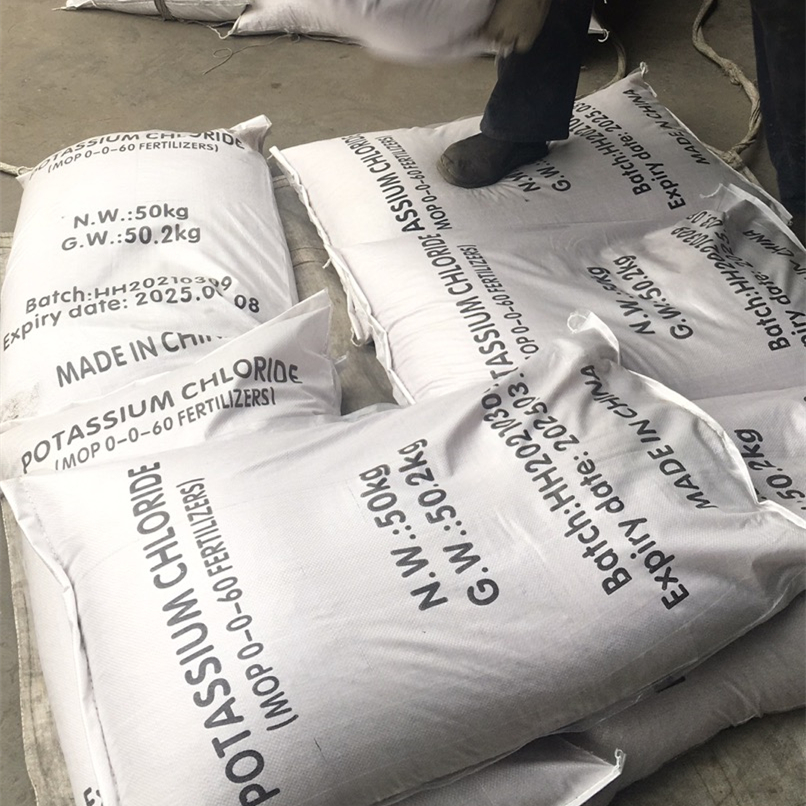
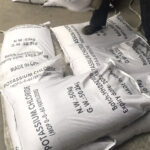
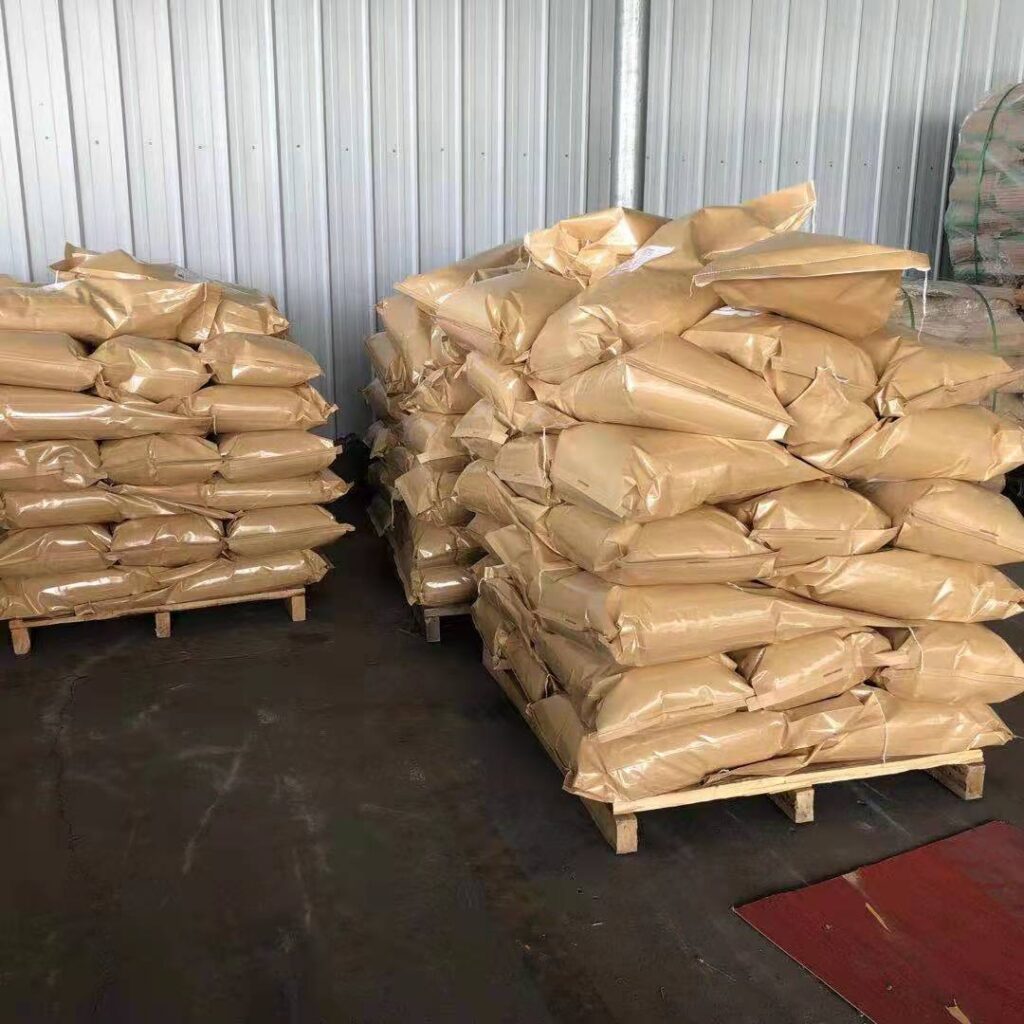
Port‑side bagging and regional distribution in 50 kg or jumbo bags
Granular MOP is defined by its particle size (typically 1–4 mm) and anti‑caking treatment, which reduce dust and improve flow in silos and blend lines.
MOP 60% K2O
“MOP 60% K2O” is the most common market specification, indicating a minimum of 60% potassium oxide equivalent. Many contracts and benchmarks now reference 60–61% K₂O for granular MOP in key regions.
Buyers should verify:
-
K₂O minimum (e.g., ≥ 60.0% or ≥ 62% for premium grades)
-
Particle size distribution aligned with blending requirements
-
Moisture and anti‑caking specs to avoid caking in storage
MOP 0-0-60 fertilizer KCl fertilizer
“MOP 0‑0‑60 fertilizer KCl fertilizer” explicitly states the NPK grade and chemical identity. This format is common in:
-
Tender documents and government procurement (e.g., state‑level MOP imports)
-
Blending recipes where N and P are supplied by other components
-
Export/import documentation and certificates of analysis
The “0‑0‑60” label signals that the product contributes only potassium (as K₂O) and no nitrogen or phosphorus.
Granular potassium chloride
“Granular potassium chloride” is often used interchangeably with granular MOP in technical and industrial contexts. It is specified by:
-
KCl content (≥ 95% typical)
-
K₂O equivalent (60–62%)
-
Particle size (1–4 mm) and coating for flowability
Granular potassium chloride is also used in some industrial applications, but agricultural buyers should ensure they are purchasing fertilizer‑grade material with appropriate documentation.
MOP fertilizer supplier
A MOP fertilizer supplier can be a manufacturer, exporter, wholesaler, or regional distributor offering granular or standard MOP. When evaluating a MOP fertilizer supplier, consider:
-
Ability to provide consistent granular MOP 60% K₂O with defined particle size
-
Access to major origins (Canada, Russia, Belarus) via direct or re‑export channels
-
Quality documentation: CoA per lot, SGS/Intertek inspection options, and clear specs
Many suppliers list MOP alongside urea, DAP, MAP, and SOP as part of a full NPK portfolio.
MOP fertilizer wholesale
MOP fertilizer wholesale refers to container‑scale or multi‑container deals aimed at blenders, distributors, and large farms. Wholesale benefits include:
-
Lower per‑ton cost compared with retail bags
-
Flexible packaging (50 kg bags, 1 MT jumbo bags, or bulk)
-
Negotiable Incoterms (FOB/CIF/CFR) and payment terms
Wholesale buyers should request recent price indications, specification sheets, and clarity on origin and inspection.
Bulk MOP fertilizer
Bulk MOP fertilizer typically means vessel‑scale shipments or very large container programs for national programs, major blenders, or port‑based distributors. Bulk deals often feature:
-
Pricing linked to global benchmarks (e.g., CFR Brazil, Southeast Asia, Latin America)
-
Strict specs on K₂O, particle size, moisture, and anti‑caking
-
Pre‑shipment inspection and sampling at load port
Recent government tenders show MOP imported in 35,000–40,000 MT tranches from Canadian and Russian suppliers at roughly USD 377–384/MT under state‑level agreements.
MOP fertilizer manufacturer
A MOP fertilizer manufacturer operates potash mines and processing plants that convert raw potash ore into refined KCl products (granular, standard, crystalline). Major global production comes from:
-
Canada (Saskatchewan and other basins)
-
Russia and Belarus (large integrated potash complexes)
-
Other regions with smaller or emerging potash projects
Manufacturers may sell directly to large buyers or via appointed exporters and trading houses.
MOP fertilizer exporter
A MOP fertilizer exporter specializes in moving granular and standard MOP from producing regions to global markets. Exporters typically:
-
Aggregate product from one or more manufacturers
-
Offer both granular and standard grades with clear specs
-
Arrange inspection, documentation, and logistics on FOB/CIF/CFR terms
For buyers outside major producing countries, a reliable MOP fertilizer exporter is often the most practical route to secure volume and quality.
MOP fertilizer price
MOP fertilizer price in 2026 varies by region, grade (granular vs standard), volume, and Incoterms. Recent market indications include:
-
Standard MOP: around USD 385–395/MT CFR in some markets, with prompt offers reported at USD 360–370/MT CFR using rebates or credit terms
-
Southeast Asia: standard MOP roughly USD 380–423/MT CFR; granular MOP around USD 410–420/MT CFR
-
Government tenders: MOP procured at approximately USD 377.63–383.80/MT under state‑level contracts from Canadian and Russian suppliers
-
Retail or small‑pack equivalents (e.g., 50 kg bags) show much higher per‑ton prices due to packaging and distribution margins (e.g., USD 250–475/MT ranges in some summaries, with local retail rates varying widely)
Actual MOP fertilizer price for your purchase will depend on:
-
Destination port and freight (CFR vs FOB)
-
Granular vs standard grade and K₂O specification
-
Contract size (spot vs long‑term) and payment terms
-
Market dynamics, including supply security and export policies in key origins
For accurate budgeting, request formal https://hortamericas.com/ quotes with full specifications, Incoterms, origin, and validity from several MOP suppliers or exporters.
Buy Muriate of Potash
When you Buy Muriate of Potash, you are typically procuring for:
-
Direct application as a potassium source for field crops
-
Blending into custom NPK fertilizers (e.g., 10‑10‑20, 12‑12‑17, etc.)
-
Government or institutional programs building national fertilizer stocks
Key purchase parameters:
-
Grade: Granular vs standard; K₂O minimum (60% or 62%)
-
Packaging: 50 kg bags, jumbo bags, or bulk vessel
-
Inspection: SGS/Intertek or equivalent, with CoA per lot
-
Incoterms: FOB, CIF, or CFR to your port
Buy MOP fertilizer
“Buy MOP fertilizer” is a common commercial query for distributors and large farms seeking container or bulk volumes. Buyers should clarify:
-
Crop portfolio and chloride sensitivity (to confirm MOP suitability vs SOP)
-
Required particle size for blending or application equipment
-
Target K₂O content and acceptable moisture/anti‑caking specs
Suppliers often provide MOP alongside urea, DAP, MAP, and SOP to support complete NPK programs.
Buy potassium chloride fertilizer
“Buy potassium chloride fertilizer” is the more technical phrasing used by industrial buyers, blenders, and procurement teams. This term is common when:
-
Writing technical specifications and safety documentation
-
Sourcing for blending plants that track raw materials by chemical name
-
Evaluating chloride load and soil salinity implications
Ensure the product is labeled as fertilizer grade and meets agronomic specifications for K₂O, particle size, and impurities. Contact
MOP fertilizer supplier, Muriate of Potash supplier, Potassium chloride supplier, KCl fertilizer supplier
These phrases all describe companies that supply potassium chloride as a fertilizer, but with slightly different emphasis:
-
“MOP fertilizer supplier” and “Muriate of Potash supplier” are agronomic/trade terms used by farmers, blenders, and distributors.
-
“Potassium chloride supplier” and “KCl fertilizer supplier” are more technical, often used in specs, tenders, and industrial procurement.
In practice, the same company may market under all four labels, offering granular and standard MOP with documented K₂O content and particle size.
MOP fertilizer wholesale, Muriate of Potash wholesale, Potassium chloride wholesale
“Wholesale” indicates mid‑ to large‑volume sales, typically in full container loads or multi‑container programs. Wholesale MOP/Muriate of Potash/potassium chloride offers:
-
Better per‑ton pricing than retail packs
-
Options for 50 kg bags, jumbo bags, or bulk
-
Negotiable shipping and payment terms
Wholesale buyers should compare granular vs standard grade pricing, origin options, and inspection terms.
Bulk MOP fertilizer, Bulk potassium chloride fertilizer, MOP bulk supplier
“Bulk” refers to very large volumes, often vessel‑scale or major container programs for national programs and large blenders. A MOP bulk supplier typically:
-
Handles multi‑thousand MT contracts with tight specs
-
Arranges pre‑shipment inspection and certification
-
Works on standard trade terms (FOB/CIF/CFR) with bank‑grade settlement
Recent examples include government imports of 35,000–40,000 MT MOP tranches from Canadian and Russian suppliers at roughly USD 377–384/MT.
Granular MOP fertilizer supplier
A Granular MOP fertilizer supplier focuses on the 1–4 mm, anti‑caking, free‑flowing product preferred for blending and mechanized application. Such suppliers typically provide:
-
Granular MOP 60–62% K₂O with defined particle size
-
Documentation (CoA, inspection reports) aligned with blending plant QA
-
Packaging in 50 kg bags, jumbo bags, or bulk, depending on buyer needs
Granular specialists are ideal for NPK blenders and distributors serving mechanized agriculture.
MOP fertilizer manufacturer, Muriate of Potash manufacturer, Potassium chloride manufacturer
These terms point to the upstream producers of potash:
-
“MOP fertilizer manufacturer” and “Muriate of Potash manufacturer” emphasize the fertilizer product.
-
“Potassium chloride manufacturer” emphasizes the chemical commodity.
Major manufacturers operate large integrated mines and processing facilities in Canada, Russia, and Belarus, producing granular, standard, and crystalline KCl for global markets.
MOP fertilizer exporter, Muriate of Potash exporter, Potassium chloride exporter
Exporters bridge the gap between manufacturers and overseas buyers. A MOP/Muriate of Potash/potassium chloride exporter typically:
-
Sources from one or more manufacturers and offers multiple grades
-
Provides granular and standard MOP with clear K₂O and particle‑size specs
-
Manages inspection, documentation, and logistics on FOB/CIF/CFR terms
For buyers in Africa, Asia, Latin America, and other import‑dependent regions, working with an experienced MOP fertilizer exporter is often the most efficient way to secure reliable supply.
Muriate of Potash MOP potassium chloride KCL Granular (buying checklist)
To streamline procurement of Muriate of Potash MOP potassium chloride KCL Granular, use the following checklist when contacting suppliers, manufacturers, or exporters:
-
Grade: Granular MOP, 60% or 62% K₂O minimum
-
Particle size: Confirm range (e.g., 1–4 mm; 2–4 mm for blending)
-
Moisture and anti‑caking: Ensure specs support storage and flow (e.g., moisture ≤ 1.0%, amine‑coated)
-
Packaging: 50 kg bags, jumbo bags, or bulk vessel
-
Inspection: SGS/Intertek or equivalent, with CoA per lot
-
Incoterms and destination: FOB/CIF/CFR to your port, with clear freight and delivery terms
-
Price and validity: Request MOP fertilizer price with basis (CFR/FOB), origin, and quote validity
-
Supply security: Confirm origin, export compliance, and ability to deliver within your shipment window
Using this framework with multiple MOP fertilizer suppliers will help you compare offers on a like‑for‑like basis and secure Muriate of Potash MOP potassium chloride KCL Granular that matches your agronomic and logistical requirements. Follow Us On Facebook

Reviews
There are no reviews yet.