
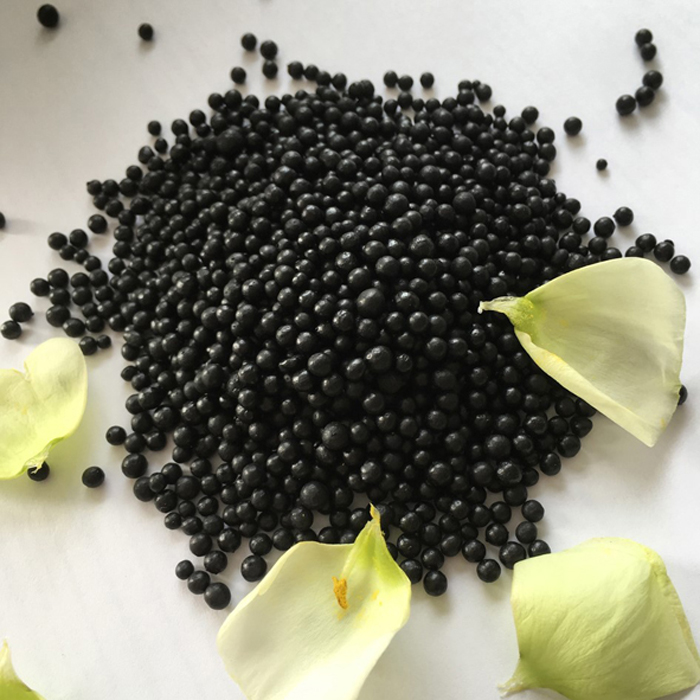
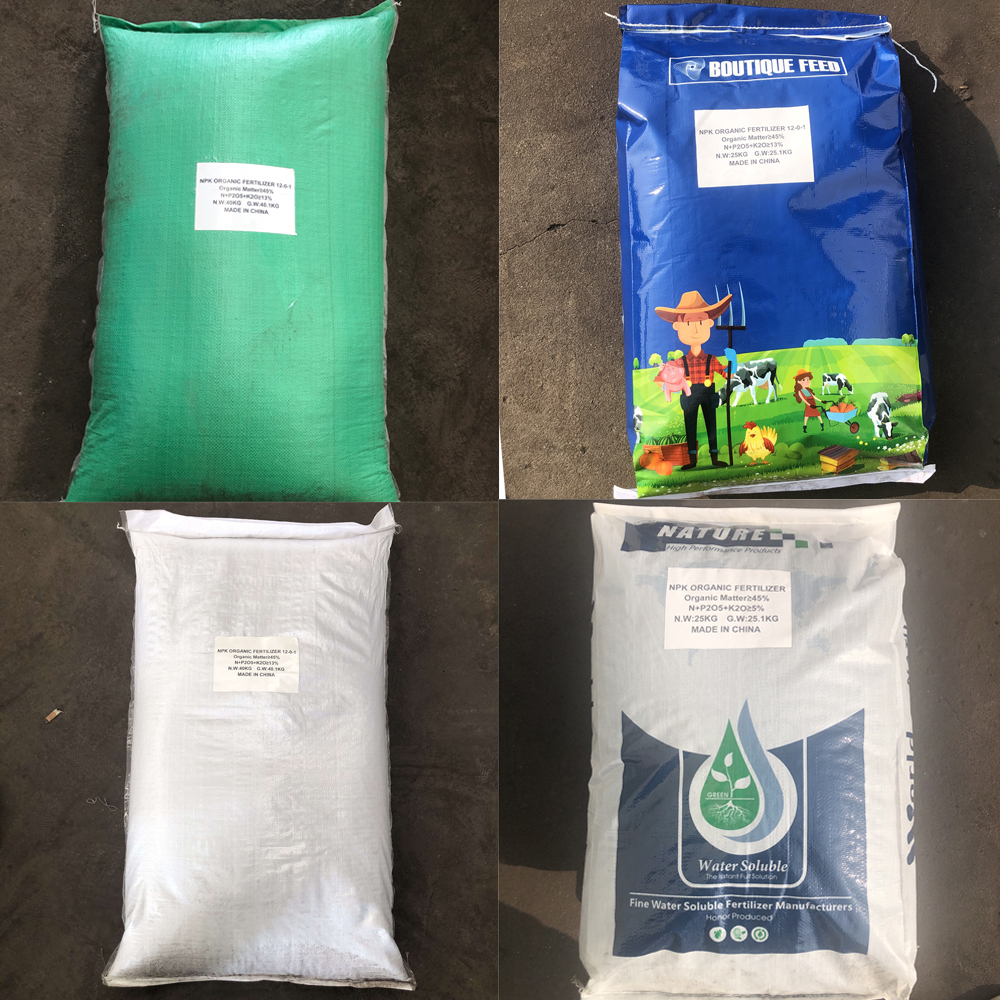
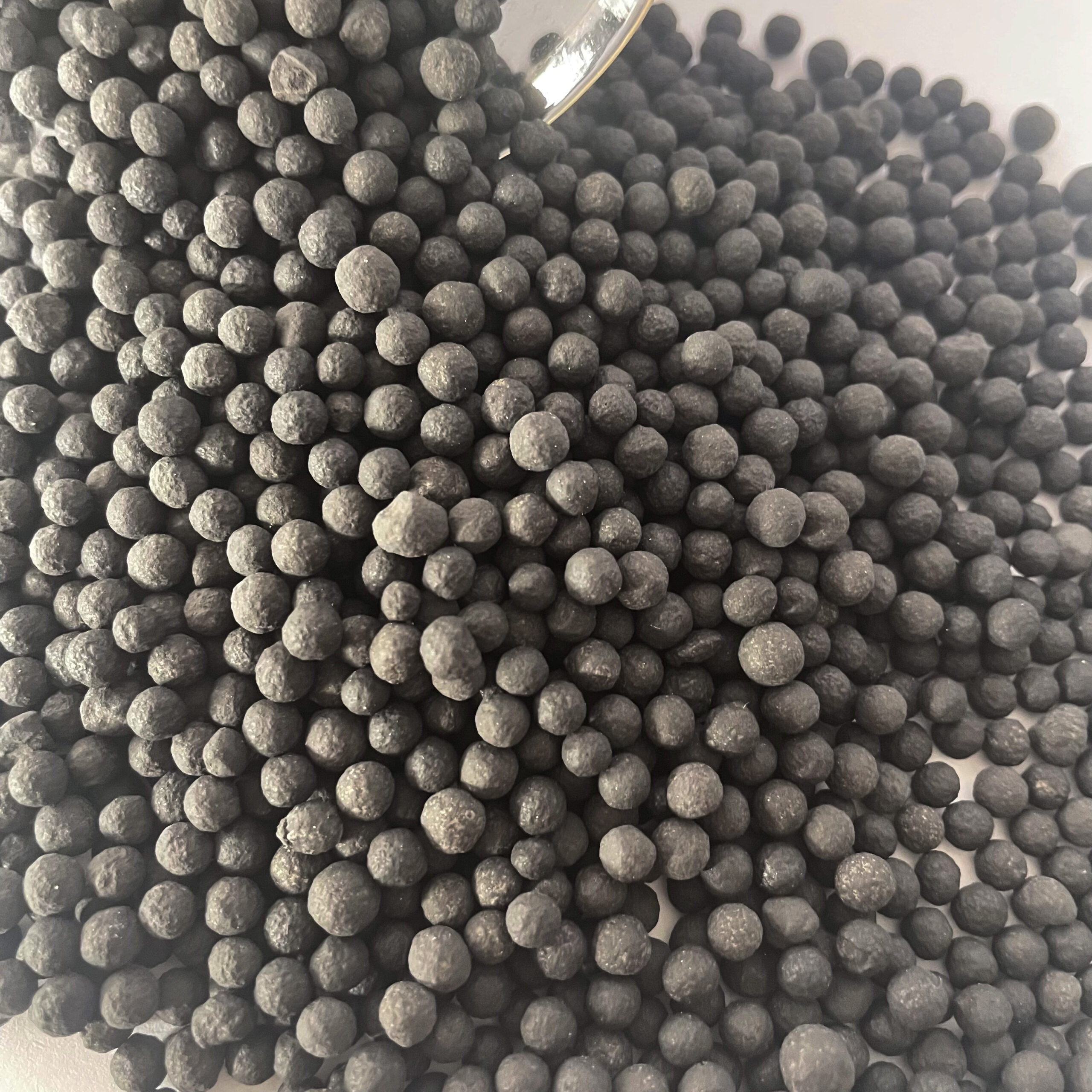
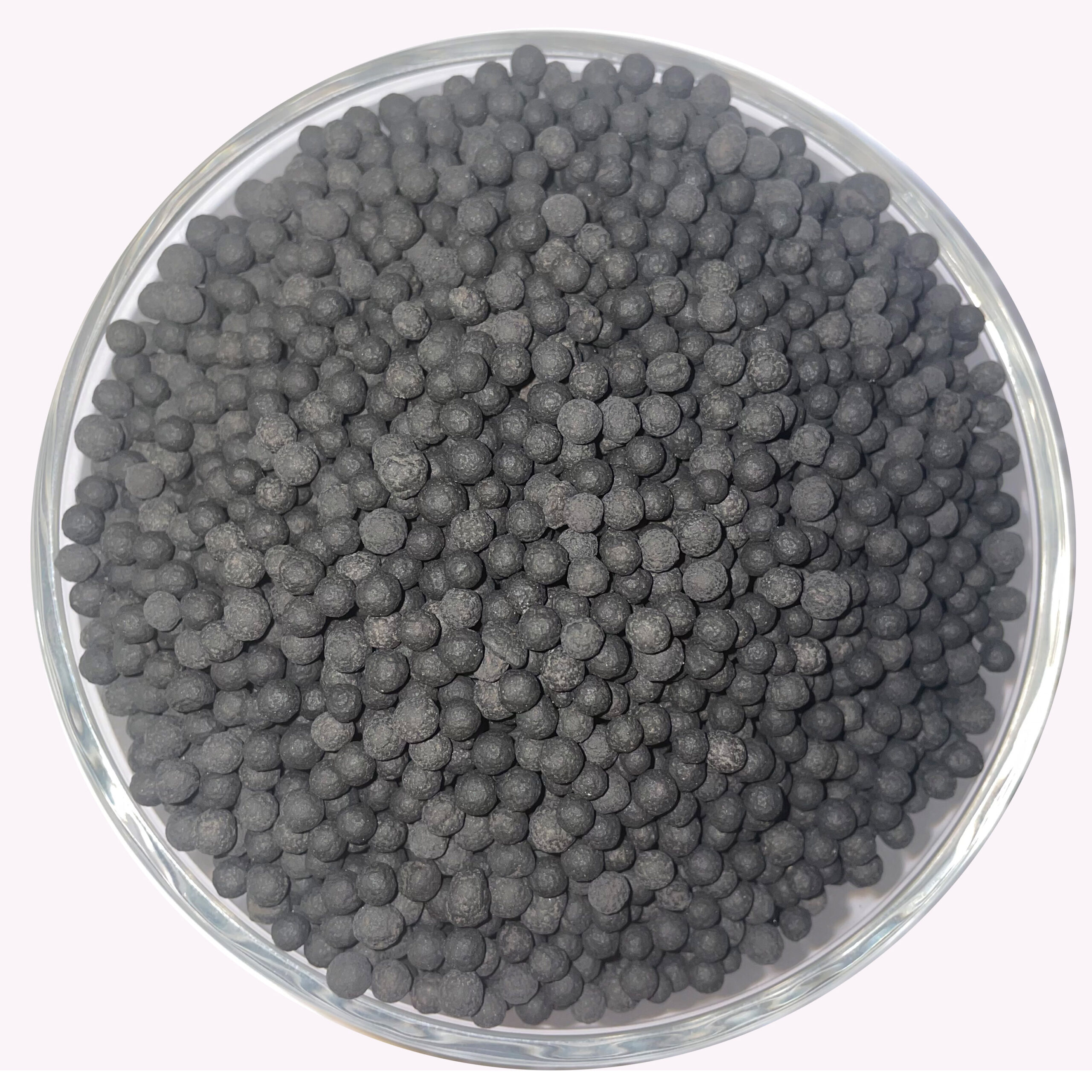
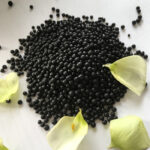
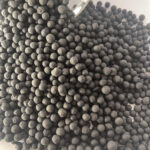
Details: Organic Fertilizer Granular Npk base fertil Humic Acid
| ITEM | STANDARD | |||
| Amino Acid | 8.0%-10.0% | |||
| Humic Acid | 10.0%-15.0% | |||
| N-P-K | 14-1-2 | 16-0-1 | 10-1-1 | 12-1-2 |
| Organic Matter | 20.0%min | |||
| Sulfur | 12.0%min | |||
| Trace Element | 4.0%min | |||
| Moisture | 5.0%max | |||
| PH | 6.0-8.0 | |||
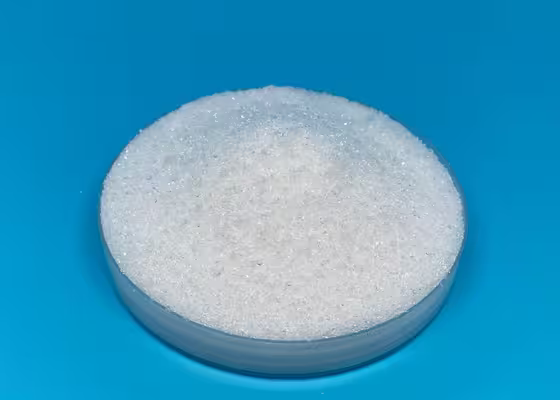
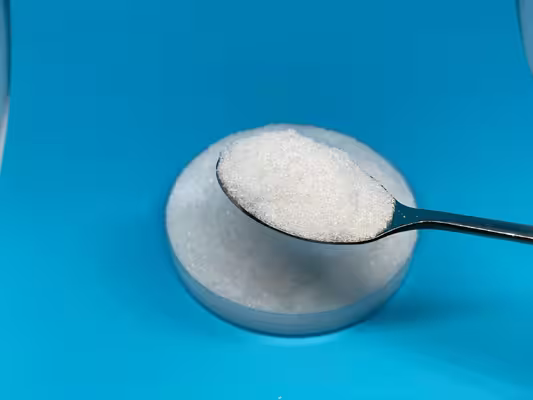
| Granule Size | 2mm-4mm | |||
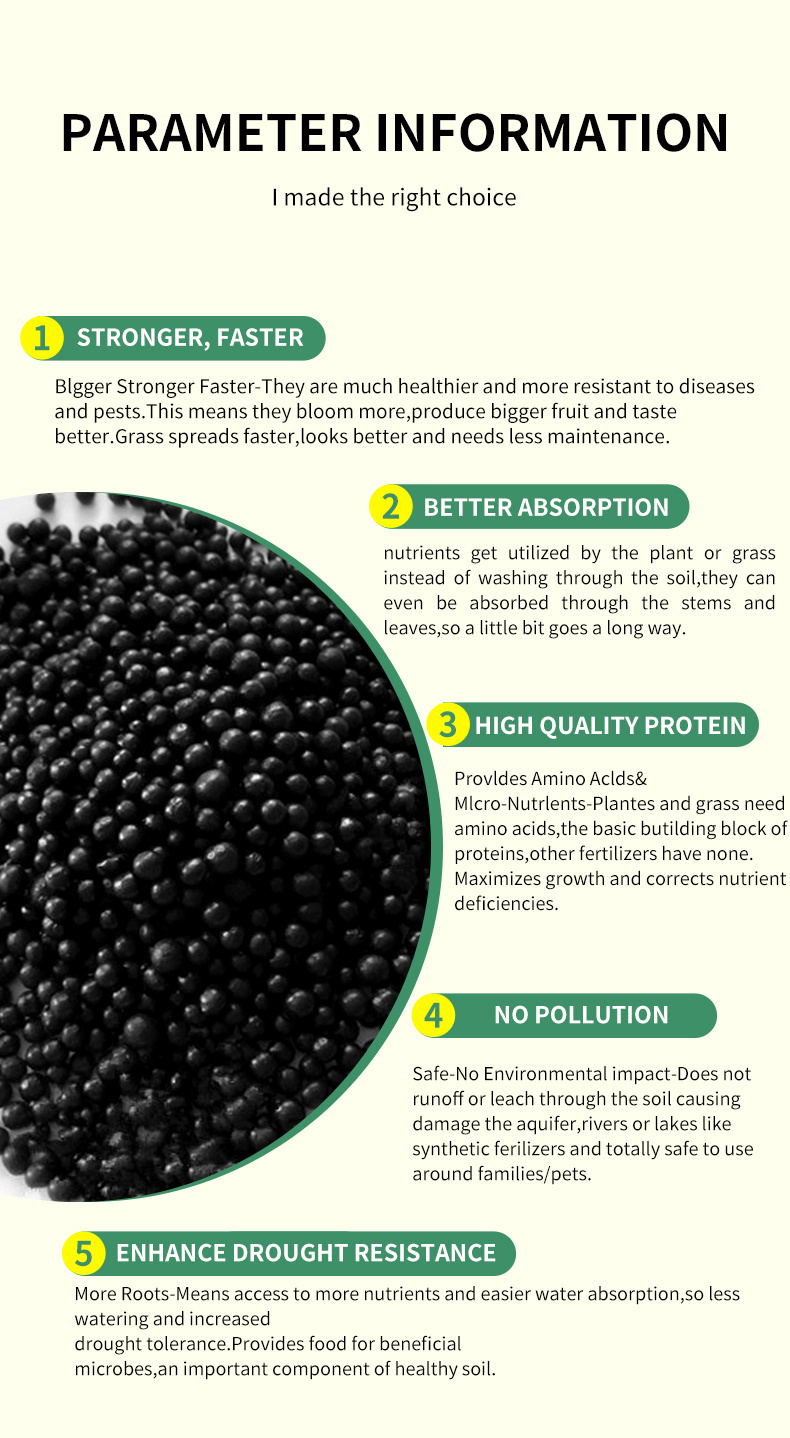
Organic Fertilizer Granular Npk base fertil Humic Acid
Organic Fertilizer Granular Npk base fertil Humic Acid is a high‑performance, soil‑building fertilizer that combines balanced NPK nutrition with humic acid to improve nutrient use efficiency, root development, and long‑term soil health. In granular form, it is designed primarily as a base (basal) fertilizer applied at or before planting to support strong early growth and sustained nutrient release through the season. Organic Fertilizer Granular Npk base fertil Humic Acid
This commercial article is optimized for distributors, agri‑input dealers, and large‑farm buyers searching for Organic Fertilizer Granular Npk base fertil Humic Acid across the full purchase journey: from what the product is and how it works, to typical specifications, use cases, and how to source it from manufacturers and wholesalers.humic-acid.
Organic Fertilizer Granular Npk base fertil Humic Acid
Organic Fertilizer Granular Npk base fertil Humic Acid refers to granular, organic‑based NPK fertilizers enriched with humic acid (or humate salts such as potassium humate) and used mainly as a basal dressing. These products sit between traditional inorganic compound fertilizers and pure organic manures, often labeled as “organic‑inorganic compound fertilizers” or “bio‑NPK with humic acid.
Typical characteristics seen in market listings include:
-
NPK ratios such as 15‑5‑10, 12‑6‑12, or similar balanced formulas tailored for field crops, vegetables, and fruitshumic-acid.
-
Organic matter content around 20–30% (sometimes higher in specialized blends) https://hortamericas.com/
-
Humic acid or fulvic acid enrichment, often in the range of 10–60% depending on whether the product is a granular blend or a concentrated powder/granuler
-
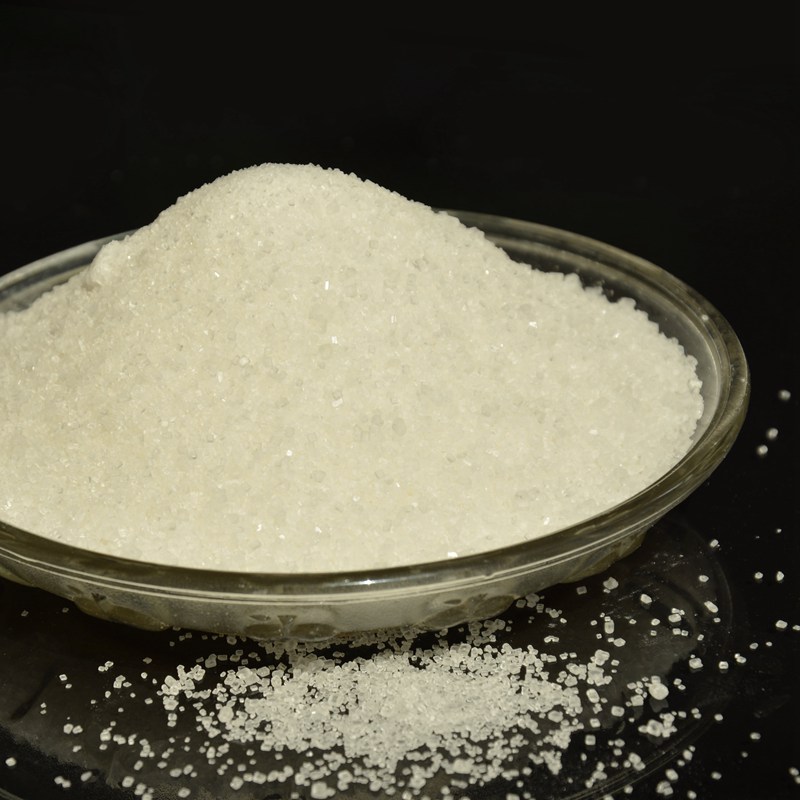
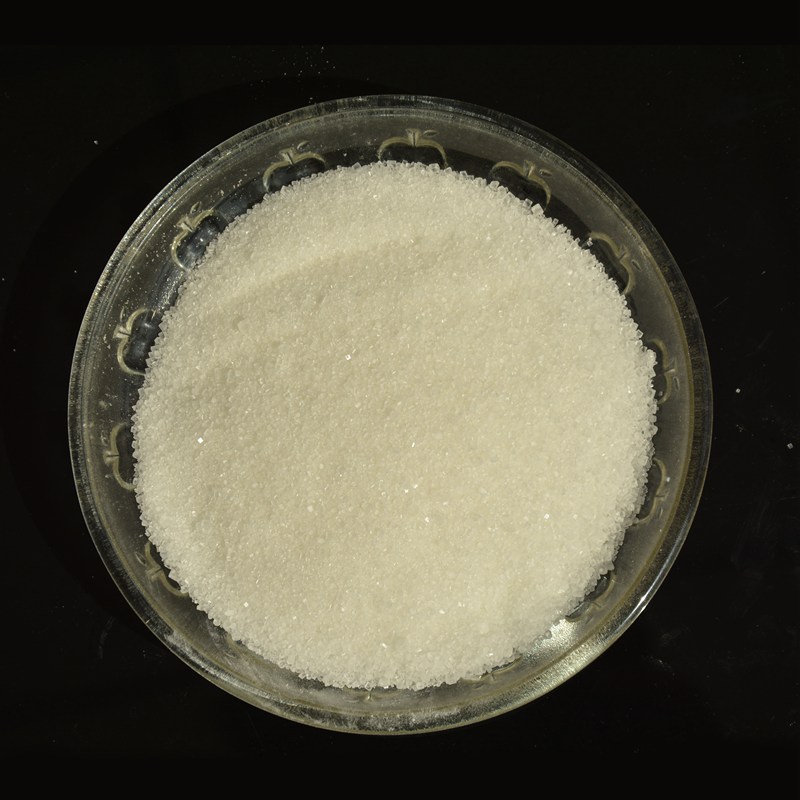
Granular or expanded/puffed granule physical form for easy broadcasting, drilling, or blending
-
Slow‑ or controlled‑release behavior, with claims of effective nutrient release over several months (e.g., up to 8 months in some products)
The “base fertil” positioning means these granules are intended for incorporation into the soil before or at planting, forming the nutritional foundation that is later complemented by top‑dress NPK, foliar feeds, or fertigation programs.
Why combine NPK with humic acid?
Humic acids are a key fraction of humified organic matter and function as multi‑functional biostimulants in soil–plant systems. Research reviews highlight several mechanisms by which humic acids improve fertilizer performance:
-
Improved soil structure and aggregation, which enhances aeration, water infiltration, and root penetration
-
Increased cation exchange capacity (CEC), helping soils retain nitrogen, potassium, calcium, and magnesium rather than losing them to leachinglink.
-
Chelation of micronutrients (Fe, Zn, Mn, Cu), making them more plant‑available even in alkaline or degraded soilslink.
-
Stimulation of root growth and modification of root architecture, leading to better water and nutrient uptakelink.
-
Enhanced microbial activity and nutrient cycling, supporting more efficient use of applied NPKlink.
Meta‑analyses cited in recent reviews suggest that humic acid applications can increase nutrient use efficiency (NUE) by roughly 13–27% and allow synthetic fertilizer inputs to be reduced by about 20–30% while maintaining yields. When humic acid is built into granular NPK base fertilizers, these benefits are delivered together with macro‑nutrition in a single pass, simplifying field operations.
Typical specifications and formulations
While exact formulas vary by manufacturer and target crop, common specification ranges for Organic Fertilizer Granular Npk base fertil Humic Acid include:
-
NPK: e.g., 15‑5‑10, 12‑6‑12, or similar total nutrient content in the 25–35% range for many organic‑inorganic blendshumic-acid.
-
Organic matter: ≥ 20–30% in many granular organic‑inorganic compounds; higher in some specialized humic productshumic-acid.
-
Humic acid / fulvic acid: from moderate enrichment in blended granules up to high‑strength products (e.g., 50–60% humic or fulvic acid in concentrated grades)
-
Moisture: typically ≤ 10% for stable granules; some highly refined products target lower moisture for better flow and storagehumic-acid.
-
Particle size: 2–4 mm or similar granular range suitable for broadcasting, drilling, and bulk blending
-
pH: often near neutral to slightly acidic (e.g., 5.5–7.5), depending on the salt form and raw materials
Product data sheets often describe these fertilizers as “expanded granules,” “puffed column granules,” or “bio‑NPK granules with humic/fulvic acid,” reflecting both the physical form and the biological/organic component.
Primary agronomic benefits
When used as a basal fertilizer, Organic Fertilizer Granular Npk base fertil Humic Acid aims to deliver both immediate and longer‑term benefits:
-
Stronger early root systems and better stand establishment, thanks to humic‑driven root stimulation and improved soil physical conditionslink.
-
More efficient use of applied nitrogen, phosphorus, and potassium, reducing losses via leaching, volatilization, or fixationlink.
-
Improved water retention and drought resilience, particularly in sandy or degraded soils where organic matter is lowlink.
-
Gradual nutrient release over the season, supporting sustained growth and reducing the frequency of top‑dress applicationshumic-acid.
-
Soil rehabilitation over time: alleviation of compaction, mitigation of salinity/alkalinity stress, and enhancement of microbial activity
Field trials cited by manufacturers often report yield increases in the range of 10–30% compared with conventional NPK‑only programs, especially when these granular humic‑NPK blends replace part of the synthetic fertilizer rate.
Ideal crops and use cases
Organic Fertilizer Granular Npk base fertil Humic Acid is suitable for a wide range of crops, including:
-
Field crops: maize, wheat, rice, cotton, sugarcane
-
Vegetables: tomatoes, peppers, cucurbits, leafy greens
-
Fruit crops: citrus, grapes, mango, watermelon, durian, and other high‑value orchards
-
Plantation crops and horticulture where soil health and nutrient efficiency are critical.
It is particularly valuable in:
-
Soils with low organic matter, compaction, or poor structure
-
Saline, alkaline, or acidified soils where nutrient availability is limited
-
Systems aiming to reduce synthetic fertilizer rates while maintaining or improving yieldslink.
Application guidelines as a base fertilizer
As a base (basal) fertilizer, Organic Fertilizer Granular Npk base fertil Humic Acid is typically applied before or at planting and incorporated into the root zone. General guidelines (to be adapted to local recommendations and soil tests) include:
-
Broadcast and incorporate: Apply the recommended rate uniformly over the field and incorporate via tillage or bed formation before sowing or transplanting.
-
Band or drill application: Place granules in bands near the seed row or in planting furrows to concentrate nutrients where early roots will develop.
-
Typical rates: Many programs use on the order of 200–500 kg/ha of humic‑enriched organic‑NPK as part of the basal program, sometimes combined with additional straight NPK or urea/DAP depending on crop demand and soil fertility.
-
Soil rehabilitation: For heavily degraded, compacted, or saline soils, higher initial rates (e.g., 300–500 kg/ha or more of humic‑rich amendments) may be used in the first season, followed by maintenance applications in subsequent years.
Always align rates with soil test results, crop nutrient removal, and local extension recommendations to avoid over‑application and optimize return on investment.
Sourcing Organic Fertilizer Granular Npk base fertil Humic Acid
For distributors and large buyers, Organic Fertilizer Granular Npk base fertil Humic Acid is available from:
-
Specialized humic acid and bio‑fertilizer manufacturers producing granular organic‑inorganic blends
-
Compound NPK factories adding humic/fulvic acid lines to their portfolios
-
Regional blenders importing humic powders or granules and formulating local NPK
When evaluating suppliers, focus on:
-
Verified NPK analysis and organic matter/humic acid content on the label and CoA
-
Granule quality: hardness, dust level, moisture, and particle‑size distribution for reliable handling and application
-
Field performance data or trial results for key crops in your region
-
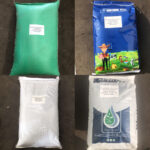
Packaging options (e.g., 25 kg, 50 kg bags; jumbo bags for bulk) and MOQ for wholesale or private‑label programs
Indicative wholesale pricing for granular organic/humic‑NPK products in some markets falls in the range of roughly USD 0.30–0.60/kg for bulk granular forms, though prices vary significantly with formulation, nutrient content, and origin. High‑strength humic or fulvic acid concentrates (powders or granules) used for blending can carry different price points, often quoted per ton or per kilogram depending on purity (e.g., 50–60% active).
Positioning in commercial catalogs
For SEO and commercial catalogs, Organic Fertilizer Granular Npk base fertil Humic Acid is typically positioned with phrases such as:
-
“Granular humic acid NPK fertilizer for basal application
-
“Organic‑inorganic compound fertilizer with humic/fulvic acid
-
“Bio‑NPK granular fertilizer for soil improvement and yield increase
-
“Slow‑release organic NPK with humic acid for field crops, vegetables, and fruits
These descriptors align with buyer searches for organic NPK, humic acid fertilizers, basal fertilizers, and soil‑conditioning NPK blends, and they support both distributor listings and farmer‑facing product pages.
Key takeaways for buyers and formulators
For buyers specifying Organic Fertilizer Granular Npk base fertil Humic Acid, the most important parameters are:humic-acid.en.made-in-china+2
-
Clear NPK ratio and total nutrient content suitable for your target crops
-
Verified humic acid (or fulvic acid) content and organic matter percentage
-
Granule physical quality and moisture for reliable storage and application
-
Documented benefits on nutrient use efficiency, root development, and yield under local conditions
For formulators and blenders, incorporating 1–3% humic powder or granules into NPK compounds is a common strategy to lift product value, improve field performance, and support reduced synthetic fertilizer rates while maintaining yields.
Used correctly as a basal fertilizer, Organic Fertilizer Granular Npk base fertil Humic Acid can serve as a cornerstone product in programs that aim to increase profitability per hectare, improve soil health over time, and meet growing market demand for more sustainable, organic‑aligned nutrition solutions. Follow us on Facebook
Reviews
There are no reviews yet.