
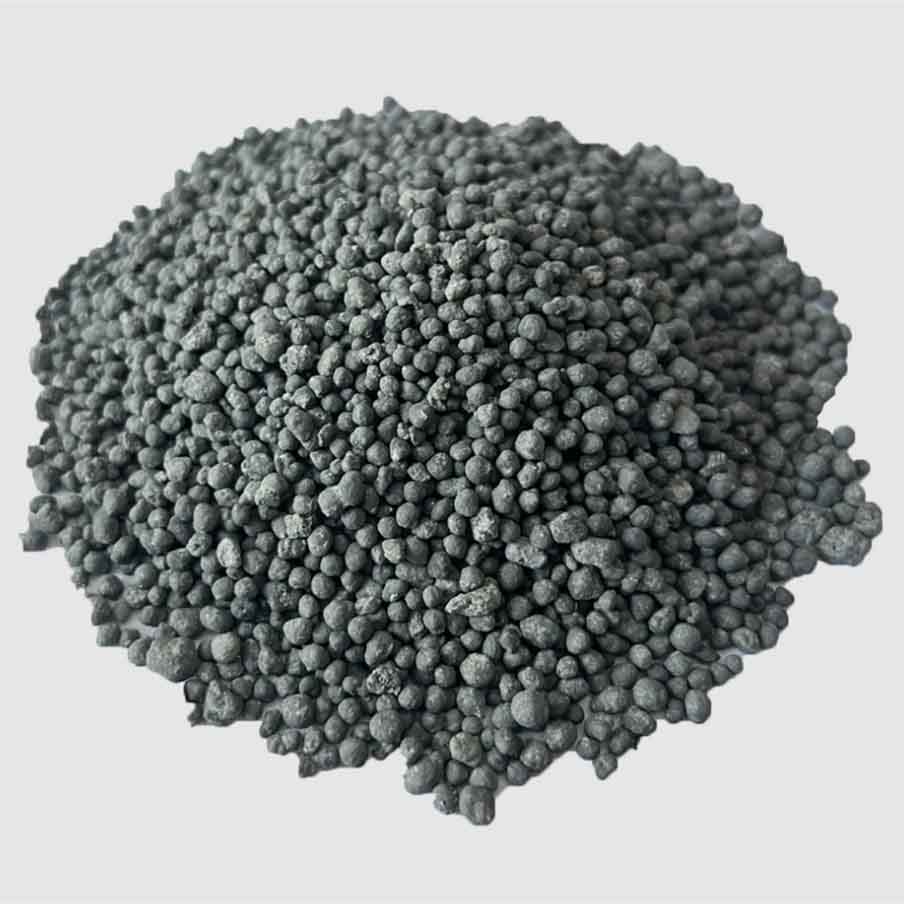
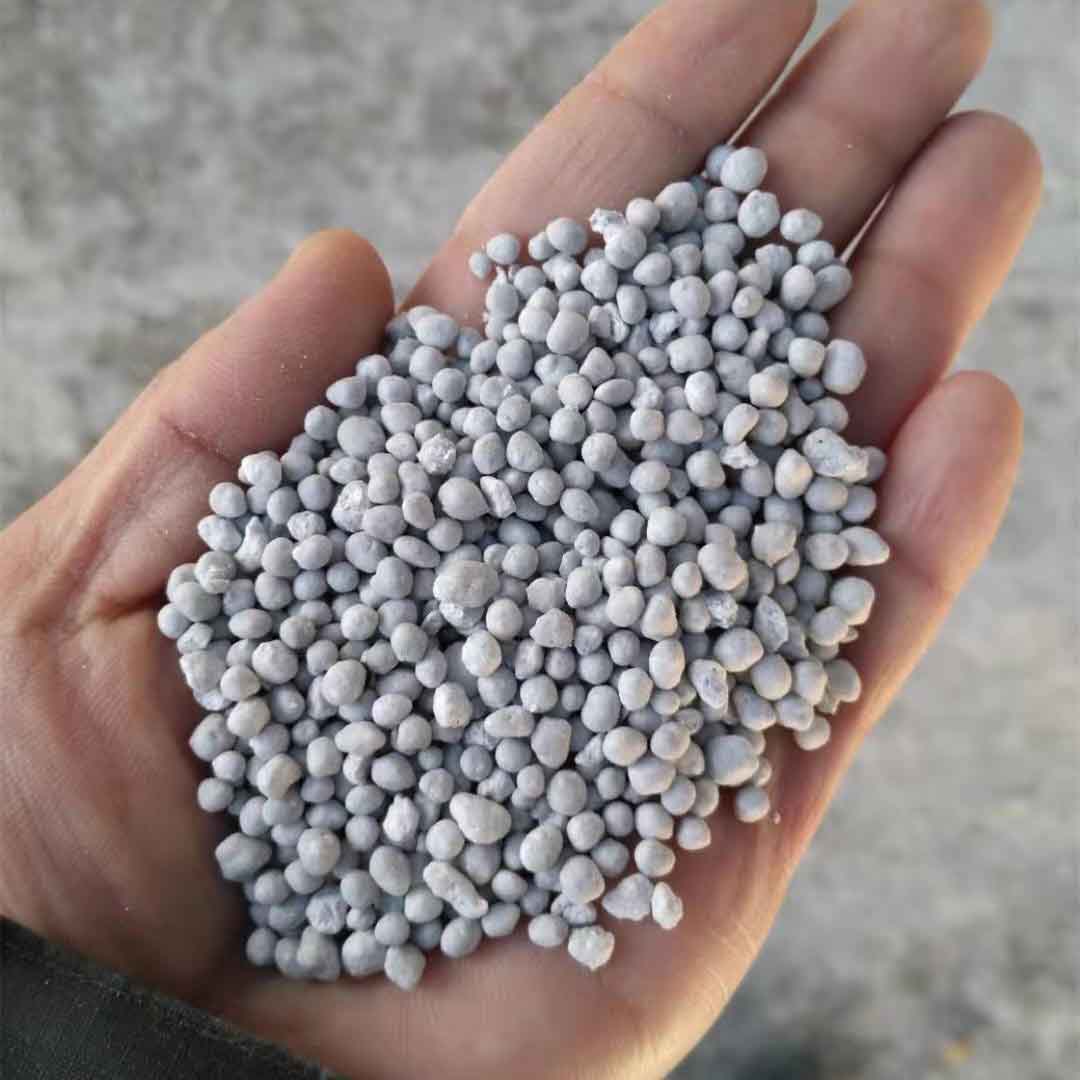
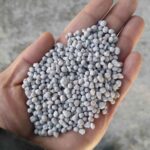
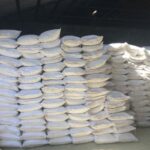
SSP Single Super Phosphate Fertilizer granular
Description
Buy SSP Single Super Phosphate Fertilizer Granular for agricultural phosphorus, calcium and sulfur nutrition, crop production, fertilizer blending, wholesale and bulk supply.
SSP Single Super Phosphate Fertilizer Granular Use: Complete Buying and Application Guide
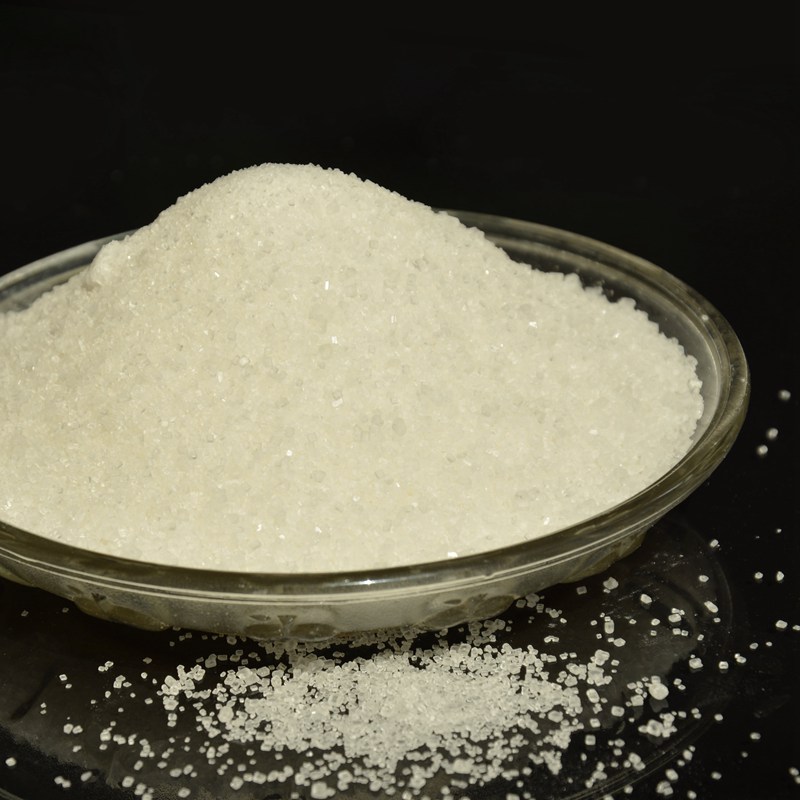
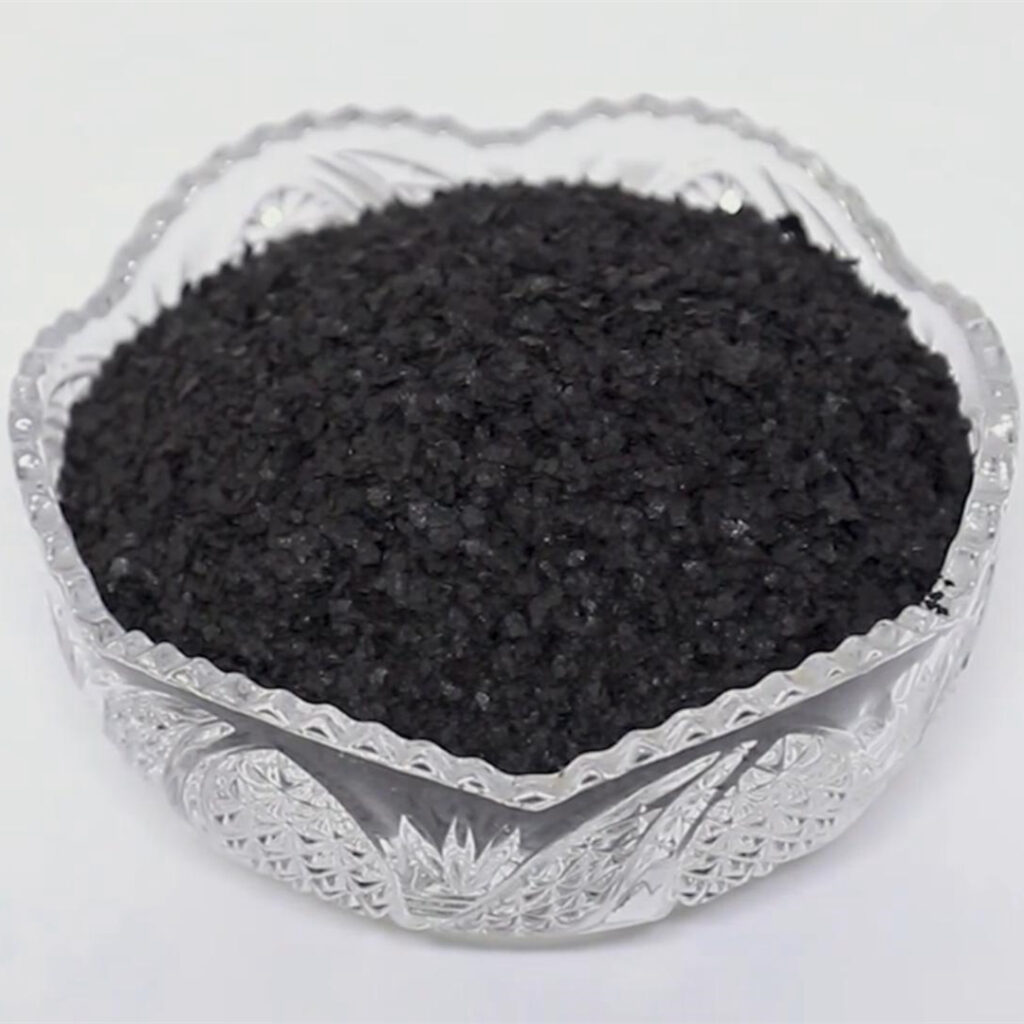
SSP Single Super Phosphate Fertilizer granular use is an effective way to supply crops with phosphorus, sulfur, and calcium in one fertilizer application. Granular SSP is commonly used as a basal fertilizer for cereals, vegetables, oilseeds, pulses, fruits, plantations, and other field crops because its particles are easy to handle, broadcast, and place near the root zone. SSP Single Super Phosphate Fertilizer granular
Commercially available SSP commonly contains about 16–18% available phosphorus expressed as P₂O₅, 11–12% sulfur, and approximately 18–21% calcium expressed as CaO, although specifications vary by manufacturer and market. This combination makes SSP particularly useful where soil tests show phosphorus and sulfur deficiencies.
SSP Single Super Phosphate Fertilizer granular
SSP Single Super Phosphate Fertilizer granular, or Single Super Phosphate, is a phosphate https://hortamericas.com/ fertilizer manufactured by reacting phosphate rock with sulfuric acid. The process converts part of the less-soluble phosphate into plant-available forms while producing calcium sulfate, commonly known as gypsum, as part of the fertilizer material.
Unlike a straight phosphorus fertilizer, SSP provides three important nutrients:
-
Phosphorus for root establishment, early plant growth, flowering, and seed or fruit development.
-
Sulfur for protein formation, enzyme activity, oilseed quality, and chlorophyll production.
-
Calcium for cell-wall development, root growth, and general plant strength.
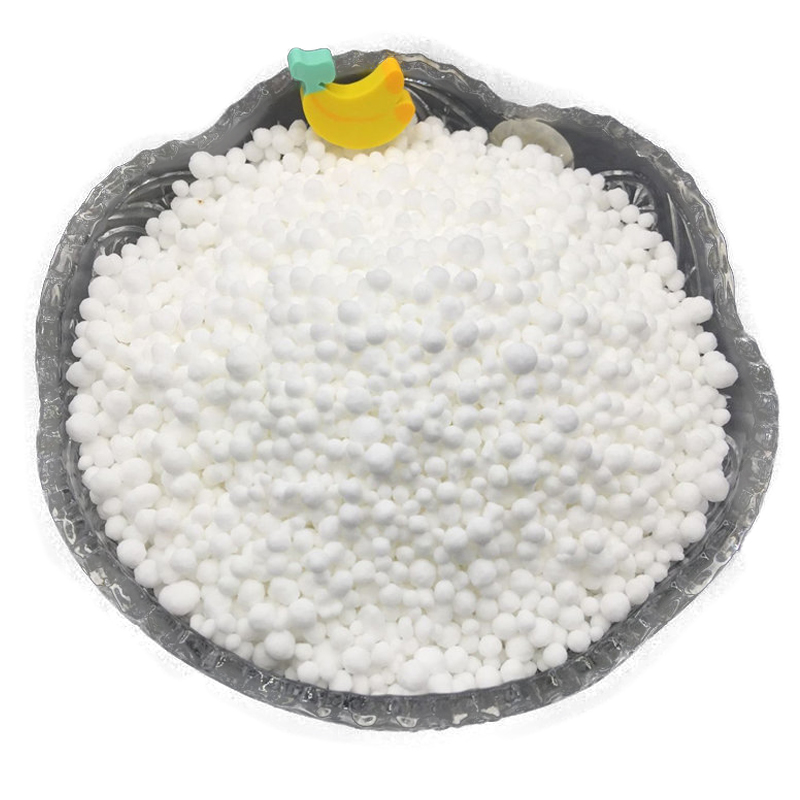
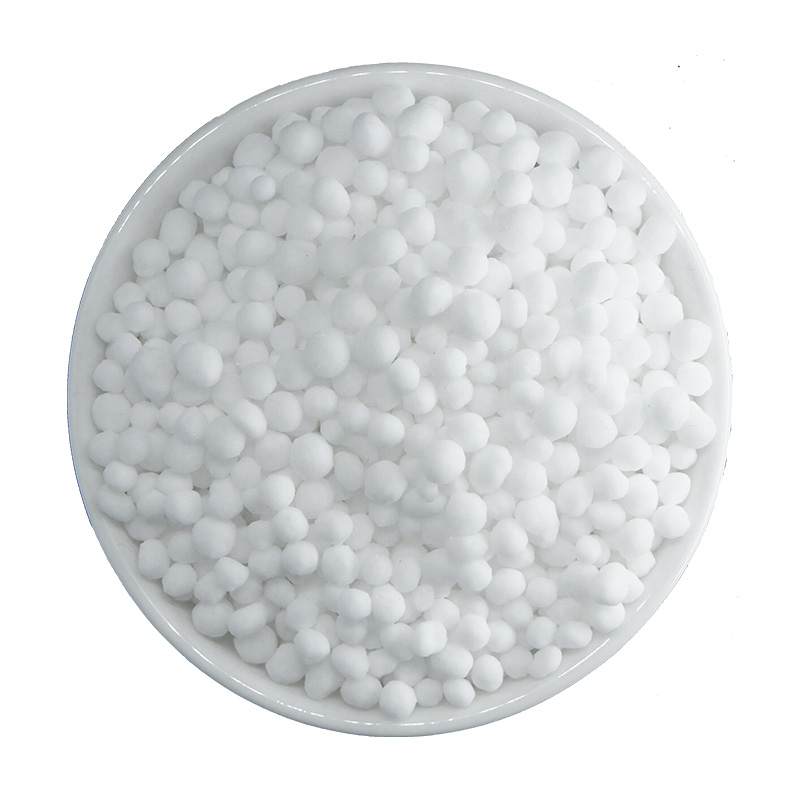
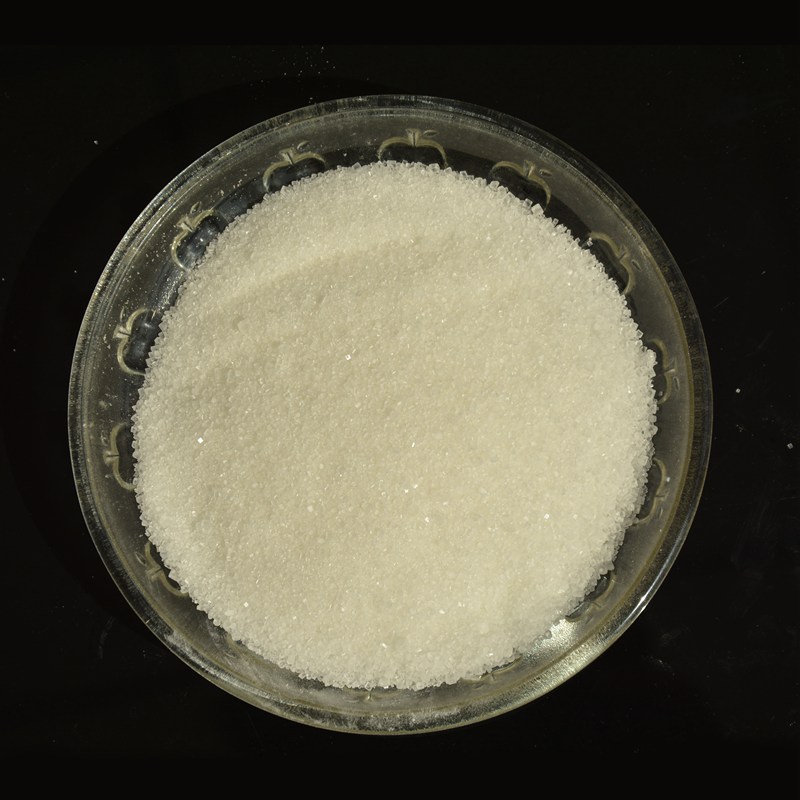
Granular SSP is produced by forming the fertilizer into relatively uniform particles. Compared with powder SSP, granules generally create less dust, are easier to transport, and provide more consistent coverage during mechanical spreading. Granular products are also suitable for direct soil application and, when compatible, for blending with other fertilizers.
SSP fertilizer 16% P₂O₅
SSP fertilizer 16% P₂O₅ normally refers to a product with a minimum available phosphate content of approximately 16% expressed as P₂O₅. Depending on the product specification, it may also contain around 11–12% sulfur and a substantial amount of calcium.
The exact label should be checked before purchase because “P₂O₅” is a reporting convention rather than the amount of elemental phosphorus. A product marked 16% P₂O₅ does not contain 16% elemental phosphorus. Buyers should compare products using the same nutrient basis and review the guaranteed analysis, moisture level, particle size, and water-soluble phosphorus content.
SSP fertilizer 18% P₂O₅
SSP fertilizer 18% P₂O₅ is a higher-analysis grade frequently supplied in granular form. Some commercial specifications identify available P₂O₅ at 16–18%, while total P₂O₅ may be higher depending on the formulation.sjzhhf.en.made-in-china+1
An 18% grade can be useful when the buyer wants to supply more available phosphorus per tonne without changing the application method. However, the best choice depends on soil-test results, crop demand, sulfur requirements, freight costs, and the actual guaranteed analysis—not simply the headline nutrient percentage.
SSP Single Super Phosphate Fertilizer granular use
The main purpose of SSP Single Super Phosphate Fertilizer granular use is to correct or prevent phosphorus and sulfur deficiencies while supplying calcium. It is most effective when incorporated into the soil or placed close to developing roots, because phosphorus does not move readily through the soil profile.
Common uses include:
-
Basal application before or during planting.
-
Band placement beside and below the seed, where recommended by local agronomic guidance.
-
Broadcasting followed by incorporation.
-
Application in orchards, vegetable beds, and plantation crops.
-
Use as a phosphorus and sulfur component in fertilizer-blending programs.
-
Application to soils with low available phosphorus, low sulfur, or both.
A commercial product listing gives a broad application range of approximately 150–300 kg per hectare based on soil testing, while another supplier recommends 200–600 kg per hectare depending on crop and deficiency severity. These figures should be treated as starting points rather than universal rates.dongkwangpl+1
How to apply granular SSP
-
Test the soil before application where possible.
-
Confirm the crop’s phosphorus and sulfur requirements.
-
Calculate the required amount from the guaranteed analysis.
-
Apply SSP as a basal dressing before planting or at planting.
-
Incorporate broadcast material into the root zone.
-
Avoid placing concentrated fertilizer directly against seeds or young stems.
-
Calibrate the spreader to account for granule size, density, and application width.
-
Store unused product in a dry, covered location.
For example, applying 250 kg of an SSP product containing 16% P₂O₅ supplies approximately 40 kg of P₂O₅ per hectare. If the same product contains 12% sulfur, the application supplies approximately 30 kg of sulfur per hectare. Actual nutrient availability depends on soil chemistry, moisture, placement, crop demand, and the product’s guaranteed analysis.
Crops that may benefit from SSP
SSP can be used for many crops, including:
-
Maize, wheat, rice, sorghum, and other cereals.
-
Soybean, groundnut, sunflower, canola, and other oilseeds.
-
Beans, peas, and other legumes.
-
Potatoes, onions, tomatoes, peppers, and leafy vegetables.
-
Sugarcane and other commercial field crops.
-
Fruit trees, vines, and plantation crops.
-
Pasture and forage crops.
Sulfur is especially important for oilseed crops and crops grown on sandy, low-organic-matter, or heavily leached soils. Phosphorus is particularly important during early root development, although excessive application can cause nutrient imbalance and unnecessary expense.
Buy SSP fertilizer
When you buy SSP fertilizer, focus on the complete product specification rather than price alone. A reliable supplier should provide:
-
Available and total P₂O₅.
-
Sulfur content and form.
-
Calcium content, where declared.
-
Moisture percentage.
-
Granule size distribution.
-
Water-soluble phosphorus.
-
Free acidity, where relevant.
-
Heavy-metal or contaminant information.
-
Packaging, batch number, and manufacturing date.
-
Certificate of analysis for the supplied lot.
Buyers should also confirm whether the product is granular or powdered. Granular SSP is usually preferable for large-area mechanical spreading, while powder may be selected for certain blending or soil-conditioning applications.
Buy Single Super Phosphate fertilizer
To buy Single Super Phosphate fertilizer for commercial farming, compare at least three supplier quotations using the same basis. Ask whether the quoted price is:
-
Per kilogram.
-
Per metric tonne.
-
Ex-works.
-
Free on board.
-
Delivered to port.
-
Delivered to warehouse or farm.
-
Inclusive or exclusive of taxes, insurance, and handling.
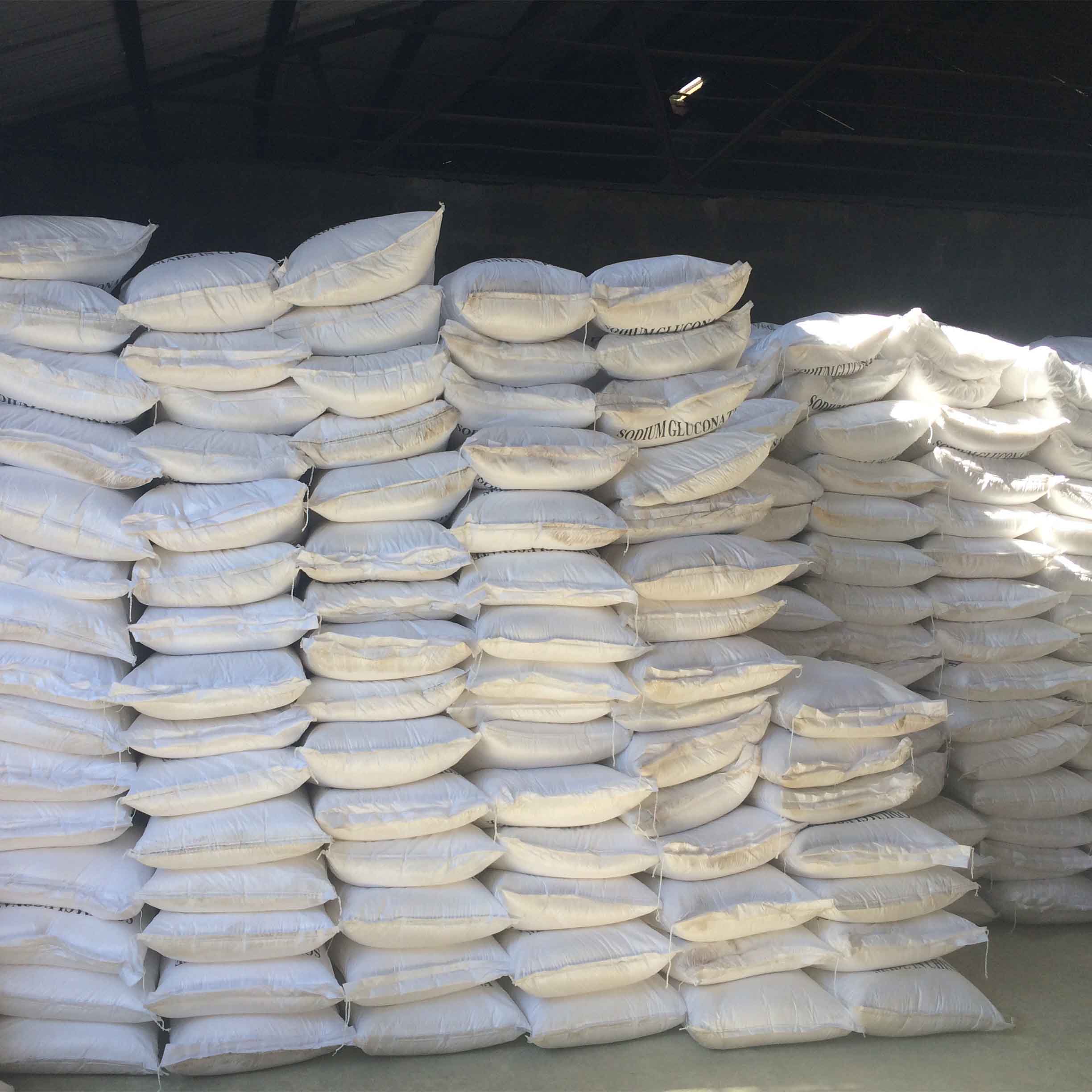
Packaging options commonly include smaller agricultural bags and larger industrial or bulk bags. The appropriate pack depends on farm size, storage facilities, labor availability, and transport arrangements.
A buyer should request a sample specification before placing a large order. The sample should be checked for granule uniformity, excessive dust, caking, visible contamination, and compatibility with the intended fertilizer spreader.
SSP fertilizer supplier
A dependable SSP fertilizer supplier should be able to support both product quality and logistics. Evaluate the supplier’s:
-
Manufacturing or sourcing history.
-
Production capacity.
-
Export experience.
-
Quality-control procedures.
-
Batch consistency.
-
Minimum order quantity.
-
Lead time.
-
Packaging options.
-
Documentation.
-
After-sales communication.
A supplier that only provides a low price but cannot supply a certificate of analysis, origin documents, or clear shipping terms may create greater risk than a slightly more expensive supplier with transparent documentation.
Single Super Phosphate supplier
When selecting a Single Super Phosphate supplier, confirm that the offered material meets the destination country’s fertilizer regulations. Requirements may include registration, labeling rules, import permits, phytosanitary or safety documentation, customs paperwork, and restrictions on contaminants.
For agricultural use, buyers should distinguish between fertilizer-grade SSP and products intended for industrial or technical applications. The product label should clearly identify the intended use, nutrient content, net weight, manufacturer, batch details, and handling instructions.
SSP fertilizer wholesale
SSP fertilizer wholesale purchasing can reduce the unit cost when the buyer has adequate storage and predictable seasonal demand. Wholesale orders are commonly negotiated by metric tonne, container load, truckload, or recurring supply contract.
Before committing to an SSP fertilizer wholesale order, calculate the delivered cost rather than comparing the factory price alone. The delivered cost may include:
-
Product price.
-
Bagging or bulk loading.
-
Inland transport.
-
Port charges.
-
Ocean freight.
-
Insurance.
-
Import duties.
-
Customs clearance.
-
Warehousing.
-
Local delivery.
A lower quoted price may not be economical if the product has high moisture, excessive fines, inconsistent granules, or unusually high freight and handling costs.
Single Super Phosphate wholesale
Single Super Phosphate wholesale contracts should specify the product grade, quantity tolerance, packaging, delivery schedule, inspection terms, payment conditions, and method for resolving quality disputes.
For recurring purchases, buyers may negotiate a supply agreement covering multiple shipments. The agreement should state whether each shipment must meet the same nutrient specification and whether independent laboratory testing is permitted before acceptance.
Bulk SSP fertilizer
Bulk SSP fertilizer is suitable for large agricultural operations, fertilizer blenders, cooperatives, distributors, and importers. It may be shipped in bulk trucks, bulk containers, or large flexible intermediate bulk containers, depending on the supplier and destination.
Bulk handling requires dry storage and suitable equipment. Moisture can cause caking, while poor handling can generate dust and reduce application uniformity. Warehouses should protect the fertilizer from rain, groundwater, condensation, and direct exposure to humid air.
SSP fertilizer bulk supplier
An SSP fertilizer bulk supplier should provide practical information about:
-
Bulk density.
-
Loading method.
-
Recommended storage duration.
-
Moisture protection.
-
Unloading requirements.
-
Transport compatibility.
-
Dust-control procedures.
-
Available shipment sizes.
Bulk buyers should confirm whether their warehouse floor, conveyor, hopper, auger, or spreading equipment can handle the product. The supplier should also explain whether the granules are suitable for blending with urea, potassium fertilizers, micronutrients, or other phosphate materials.
Granular SSP fertilizer supplier
A granular SSP fertilizer supplier should provide granules with consistent size and limited dust. Uniform particles improve spreading accuracy and reduce segregation during transport and blending.
Ask for the particle-size distribution, especially if the fertilizer will be applied with a mechanical spreader. A product that contains too many fines may bridge in equipment, produce dust, or spread unevenly. A product with excessive oversized particles may also require screening or adjustment of the spreader.
SSP fertilizer manufacturer
An SSP fertilizer manufacturer controls the production process, acidulation conditions, curing, granulation, drying, screening, and packaging. These steps influence nutrient availability, granule strength, moisture, and storage performance.
When buying directly from an SSP fertilizer manufacturer, request:
-
Factory profile.
-
Product technical data sheet.
-
Certificate of analysis.
-
Recent batch results.
-
Production capacity.
-
Quality certifications, where applicable.
-
Packaging photographs or specifications.
-
Export and loading details.
A manufacturer may offer lower prices for large orders, but direct purchasing usually involves higher minimum quantities and greater responsibility for shipping, inspection, and storage.
Single Super Phosphate manufacturer
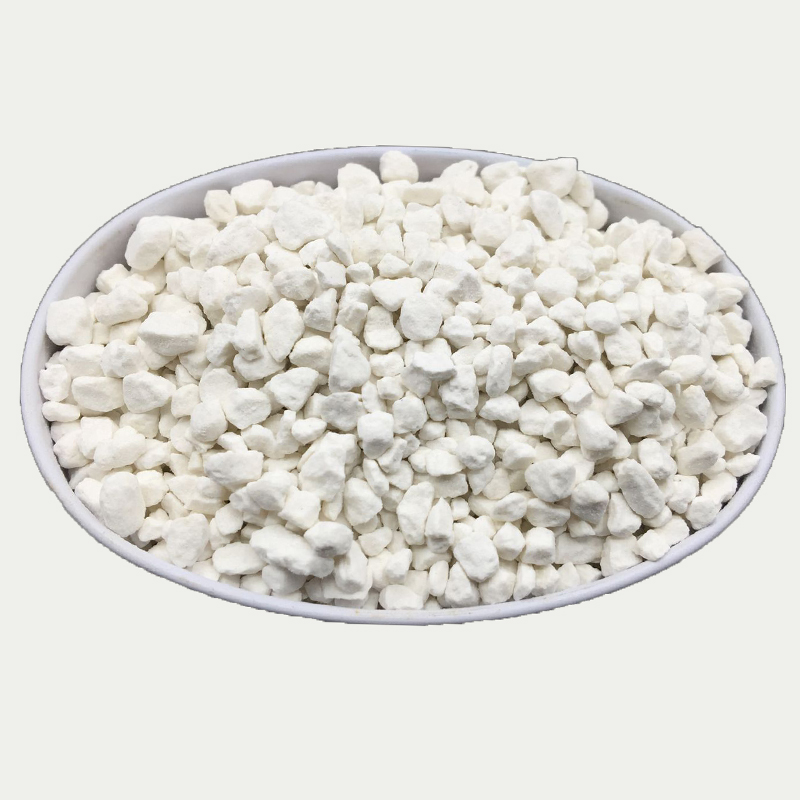
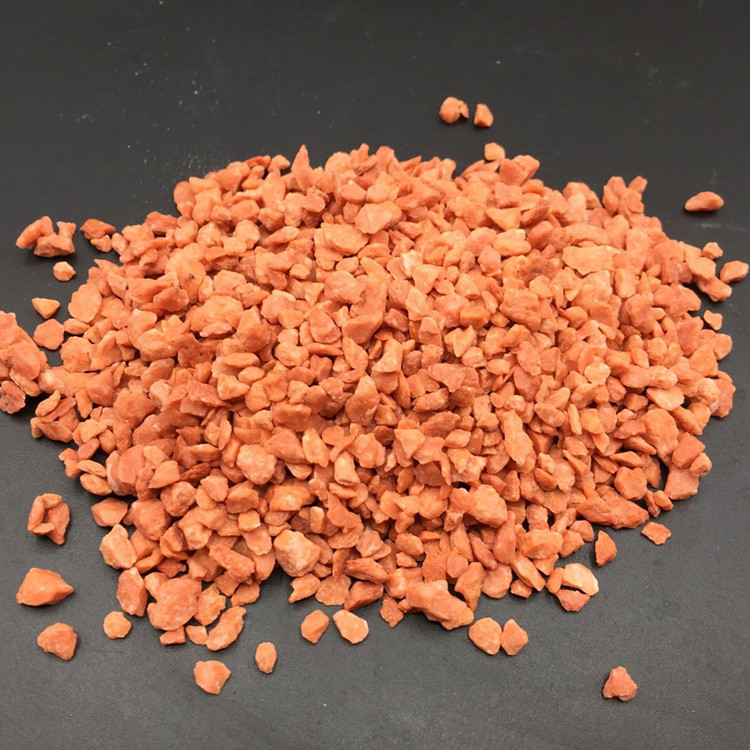
A Single Super Phosphate manufacturer may offer several grades, including powder, granular, standard SSP, and fortified or micronutrient-enriched products. Buyers should avoid assuming that two products with the same name have identical nutrient content.
Compare the guaranteed analysis and laboratory documentation for each grade. Zincated SSP, for example, may contain added zinc, while standard SSP may not. The crop, soil test, and local fertilizer regulations should determine whether an enriched grade is appropriate.
SSP fertilizer exporter
An SSP fertilizer exporter should be familiar with international shipping documentation and destination-country requirements. Common documents may include a commercial invoice, packing list, certificate of origin, bill of lading, product specification, certificate of analysis, and safety documentation where required.
The exporter should also confirm the applicable Incoterms, loading port, container or bulk-shipping method, estimated transit time, and responsibility for insurance. Buyers should independently verify company details and use secure payment arrangements appropriate for international trade.
Single Super Phosphate exporter
When selecting a Single Super Phosphate exporter, check whether the company is the actual manufacturer, an authorized trading company, or a broker. This distinction can affect pricing, documentation, quality control, and accountability.
A reliable exporter should clearly identify:
-
Country of origin.
-
Manufacturing site.
-
Product grade.
-
Available monthly quantity.
-
Minimum order quantity.
-
Port of loading.
-
Packaging format.
-
Inspection procedure.
-
Payment terms.
-
Replacement or claims policy.
SSP fertilizer distributor
An SSP fertilizer distributor supplies product closer to farms and local agricultural markets. Distributors can be useful for buyers who need smaller quantities, faster delivery, local-language support, or advice on application.
However, the distributor should preserve the original labeling and batch information. Buyers should inspect bags for damage, moisture exposure, repacking, missing labels, and signs of prolonged storage.
SSP fertilizer dealer
An SSP fertilizer dealer typically sells to farmers, smallholders, cooperatives, and local retailers. Before purchasing, confirm the grade and avoid confusing SSP with triple superphosphate, diammonium phosphate, or other phosphate fertilizers.
SSP offers phosphorus plus sulfur and calcium, but it generally contains less phosphorus per tonne than high-analysis phosphate fertilizers. The correct comparison should therefore consider the cost per unit of available P₂O₅ and the value of the additional sulfur and calcium.
SSP fertilizer price
SSP fertilizer price varies by nutrient grade, country of origin, production cost, sulfuric acid and phosphate-rock prices, packaging, order volume, freight, currency exchange, taxes, and seasonal demand. Online marketplace listings show wide differences between regions and product formats, so quoted prices should not be treated as a universal market rate.accio+1
To compare offers accurately, calculate:
Cost per kg of available P₂O₅=Delivered fertilizer cost per tonnekg of available P₂O₅ per tonne\text{Cost per kg of available P₂O₅} = \frac{\text{Delivered fertilizer cost per tonne}}{\text{kg of available P₂O₅ per tonne}}Cost per kg of available P₂O₅=kg of available P₂O₅ per tonneDelivered fertilizer cost per tonne
For example, one tonne of SSP containing 16% available P₂O₅ supplies approximately 160 kg of available P₂O₅. A 250 kg application supplies about 40 kg of P₂O₅, before accounting for field losses and crop uptake.
Single Super Phosphate price
Single Super Phosphate price should always be requested with a defined delivery basis. A price quoted per kilogram at the factory is not directly comparable with a price quoted per tonne delivered to a farm.
Ask suppliers to quote separately for:
-
Product-only price.
-
Bagged price.
-
Bulk price.
-
Freight.
-
Insurance.
-
Taxes and duties.
-
Port or warehouse charges.
Some online listings show prices in local currencies and different pack sizes, making direct comparison difficult. A formal quotation with a validity period is more useful for commercial procurement.indiamart+1
SSP fertilizer wholesale price
SSP fertilizer wholesale price is usually lower per tonne than retail pricing, but the final saving depends on order size and storage costs. Buyers should request a full landed-cost quotation that includes the product grade and quantity.
Wholesale negotiations may include:
-
Volume discounts.
-
Flexible packaging.
-
Staggered deliveries.
-
Private-label bags.
-
Credit terms for approved buyers.
-
Pre-shipment inspection.
-
Long-term pricing formulas.
The cheapest offer is not necessarily the best offer if it has weak quality documentation, poor packaging, delayed delivery, or a high percentage of fines.
Bulk Single Super Phosphate fertilizer
Bulk Single Super Phosphate fertilizer can be a practical option for large farms and regional agricultural distributors. It reduces packaging waste and may lower handling costs, but it requires suitable equipment and a well-protected warehouse.
Keep bulk fertilizer away from water and inspect storage areas before delivery. Use first-in, first-out inventory management, record batch numbers, and check for caking before loading fertilizer into application equipment.
Agricultural SSP fertilizer supplier
An agricultural SSP fertilizer supplier should understand crop nutrition rather than simply sell a commodity product. The supplier should be able to provide the product analysis and help the buyer match the grade to soil-test results.
For best results, combine SSP purchasing with:
-
Soil sampling.
-
Crop-specific nutrient planning.
-
Proper calibration of application equipment.
-
Balanced nitrogen and potassium management.
-
Irrigation and moisture management.
-
Follow-up tissue or soil testing where appropriate.
SSP cannot replace every other nutrient. A crop may still require nitrogen, potassium, magnesium, boron, zinc, or other nutrients depending on soil conditions and yield targets. Contact
Final buying checklist
Before ordering granular SSP, confirm:
-
Available P₂O₅ percentage.
-
Sulfur percentage.
-
Calcium declaration.
-
Granular or powder form.
-
Particle-size distribution.
-
Moisture and caking condition.
-
Certificate of analysis.
-
Packaging and net weight.
-
Minimum order quantity.
-
Delivery terms.
-
Total landed cost.
-
Local regulatory compliance.
-
Storage and handling requirements.
SSP Single Super Phosphate Fertilizer granular use is most valuable when the product is selected according to soil needs and applied accurately. By comparing nutrient content, quality documents, delivered cost, granule performance, and supplier reliability, farmers and commercial buyers can source SSP more confidently and achieve better value from every tonne purchased. Follow Us On Facebook
Be the first to review “SSP Single Super Phosphate Fertilizer granular” Cancel reply

Reviews
There are no reviews yet.