Triple Super Phosphate 46% TSP Granular Use: Complete Buying and Application Guide
Triple Super Phosphate 46% TSP granular is a concentrated phosphorus fertilizer used to support strong root development, early crop establishment, flowering, fruit formation, and seed production. Its standard grade is commonly expressed as 0-46-0, meaning it contains no nitrogen or potassium and supplies approximately 46% available phosphorus as P2O5P_2O_5P2O5.icl-growingsolutions+1
For farmers, distributors, and agricultural buyers, understanding Triple Super Phosphate 46% TSP granular use is essential for choosing the correct application rate, improving fertilizer efficiency, and purchasing suitable material from a reliable supplier.
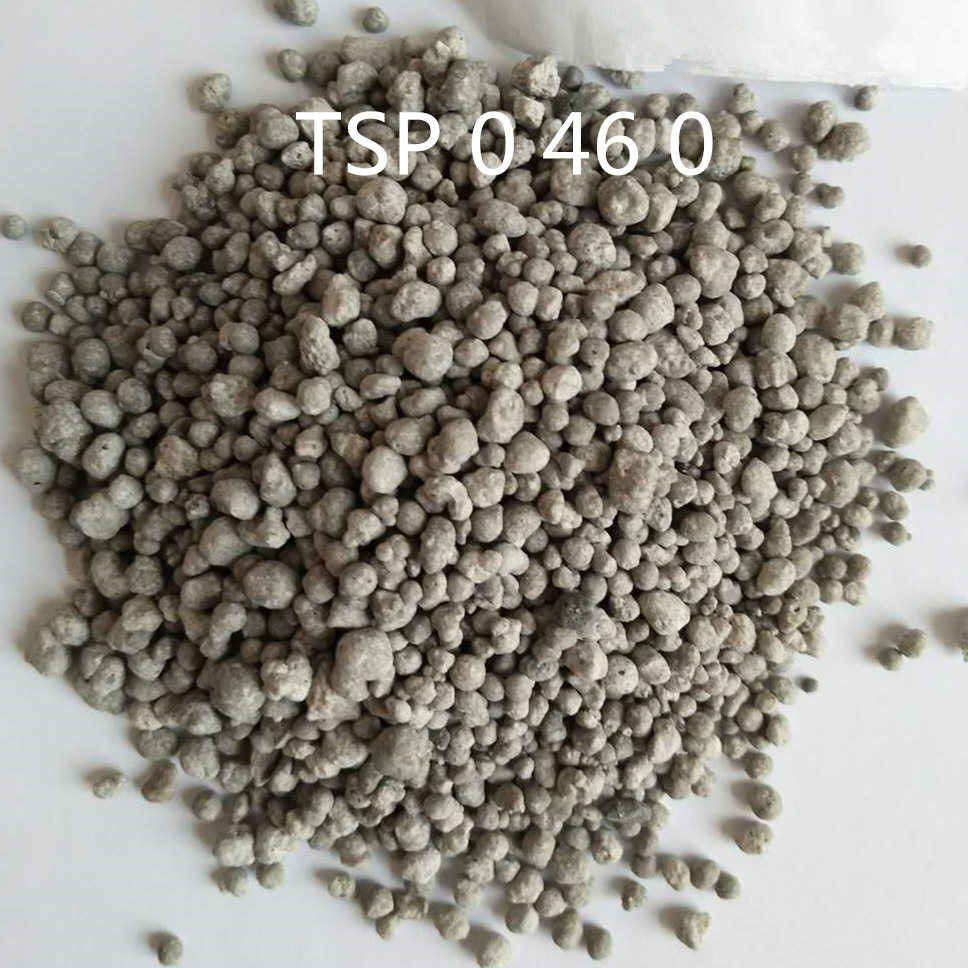
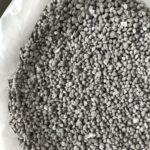
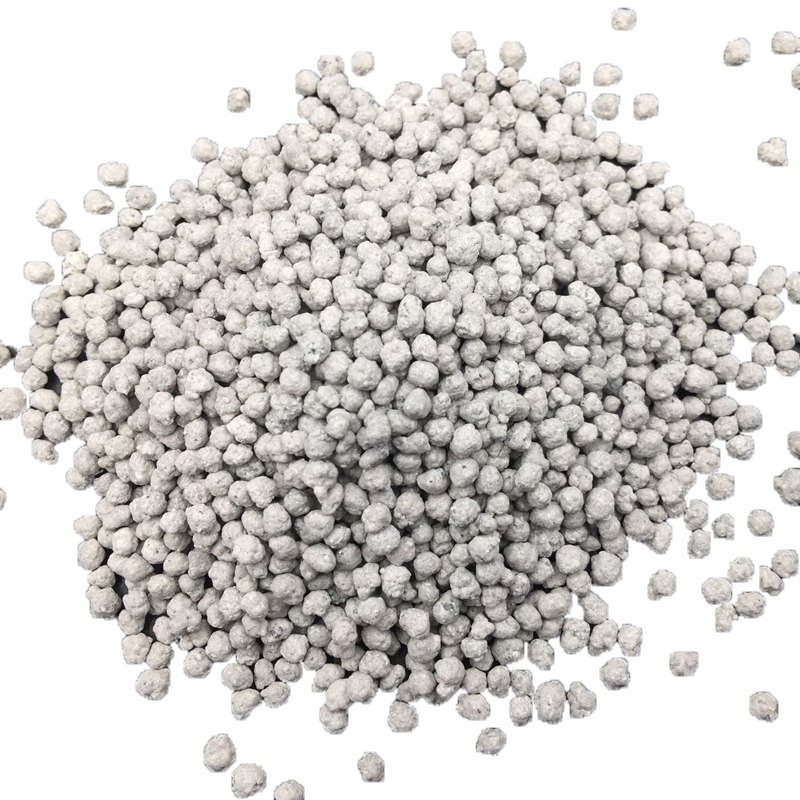
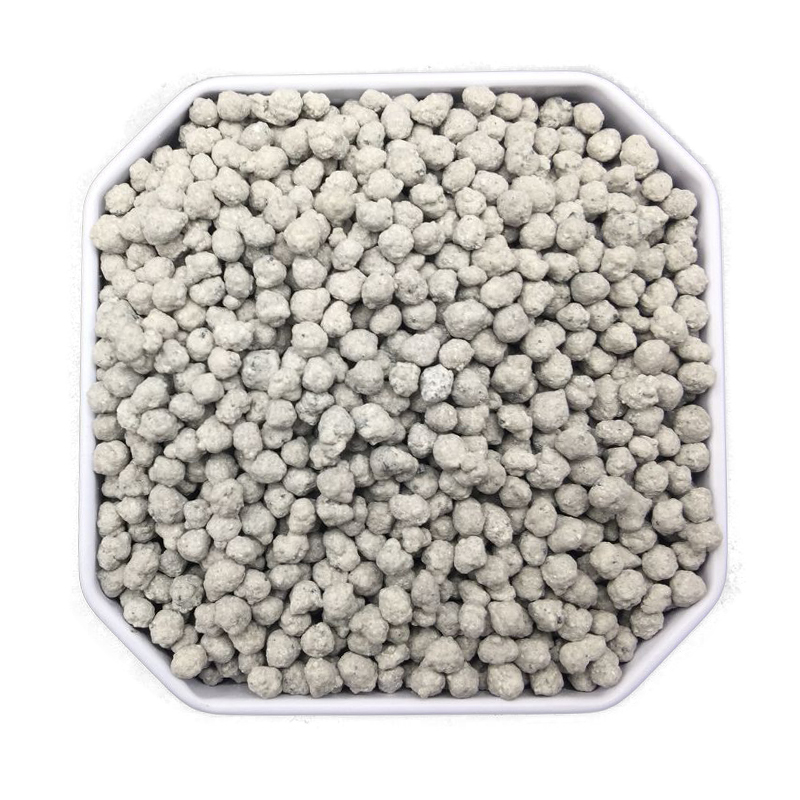
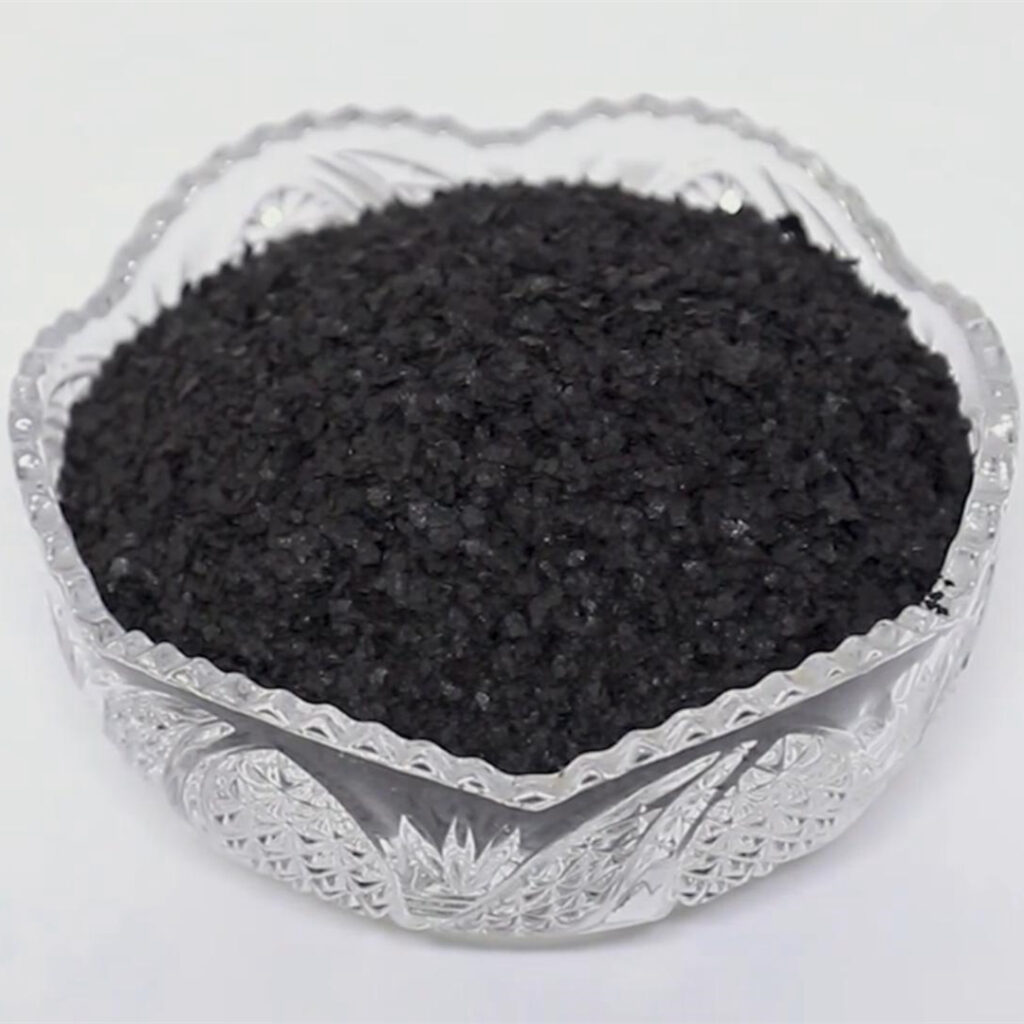
Triple Super Phosphate 46% TSP granular
Triple superphosphate, commonly called TSP, is a high-analysis phosphate fertilizer manufactured by reacting phosphate rock with phosphoric acid. The resulting product is processed into granules that are suitable for broadcasting, band placement, blending, and mechanical spreading.
A typical granular TSP product contains:
-
Approximately 46% available P2O5P_2O_5P2O5.
-
No intentionally added nitrogen.
-
No potassium.
-
Highly water-soluble phosphate.
-
Granules suitable for agricultural spreaders and bulk handling.
-
Low moisture content when properly manufactured and packaged.
The product is valued because it provides a large amount of phosphorus in a relatively small quantity of fertilizer. Compared with lower-analysis phosphate products, farmers may transport, store, and apply less material to deliver the same amount of phosphorus.
TSP is especially useful where soil tests https://hortamericas.com/ show phosphorus deficiency but nitrogen and potassium are already adequate. It can also be included in a fertilizer program when the grower wants to supply phosphorus without adding additional nitrogen.
How much phosphorus does TSP provide?
The percentage shown on a fertilizer bag is usually expressed as P2O5P_2O_5P2O5, not elemental phosphorus. A simple calculation helps determine the amount required:
TSP required=target P2O50.46\text{TSP required} = \frac{\text{target } P_2O_5}{0.46}TSP required=0.46target P2O5
For example, to apply 46 kg of P2O5P_2O_5P2O5 per hectare:
46÷0.46=100 kg of TSP per hectare46 \div 0.46 = 100 \text{ kg of TSP per hectare}46÷0.46=100 kg of TSP per hectare
Therefore:
-
50 kg of TSP supplies approximately 23 kg of P2O5P_2O_5P2O5.
-
100 kg of TSP supplies approximately 46 kg of P2O5P_2O_5P2O5.
-
200 kg of TSP supplies approximately 92 kg of \(P_2O_5\.
Actual application rates should be based on soil analysis, crop demand, expected yield, and local agronomic recommendations.
TSP fertilizer 46% P2O5
TSP fertilizer 46% P2O5 is one of the most concentrated conventional phosphate fertilizers used in crop production. Its high phosphate content makes it suitable for farms that need efficient phosphorus delivery without supplying additional nitrogen.
Phosphorus plays several important roles in plant growth. It supports early root development, energy transfer, cell division, flowering, seed formation, and crop maturity. Adequate phosphorus is particularly important during early plant establishment because young roots need access to available nutrients soon after germination.
Research and agronomic guidance commonly identify TSP as a fast-acting, highly soluble phosphorus source. Phosphate availability is generally strongest in soils with a pH near 6.0–6.8, although TSP can be used across a wider range of soil conditions when the application is properly managed. Triple Super Phosphate 46% TSP granular
Main benefits
The main advantages of TSP fertilizer include:
-
High concentration of available phosphate.
-
Rapid dissolution after adequate soil moisture is present.
-
No nitrogen, making it useful in controlled nutrient programs.
-
No potassium, allowing growers to select potassium separately.
-
Easy mechanical application in granular form.
-
Compatibility with many fertilizer-blending programs.
-
Suitable for cereals, legumes, vegetables, oilseeds, fruit crops, and plantation crops.
TSP may be particularly useful in fields where excessive nitrogen could encourage unwanted vegetative growth or delay maturity. For example, a grower may use TSP alongside a separate nitrogen fertilizer and potassium fertilizer, adjusting each nutrient according to the soil test.
TSP and soil testing
Phosphorus fertilizer should not be applied automatically every season. Many soils retain phosphorus because it binds to soil particles and can remain available for extended periods. Overapplication increases cost and may contribute to nutrient losses or environmental concerns.
A soil test can help determine:
-
Whether phosphorus is deficient.
-
The amount of P2O5P_2O_5P2O5 required.
-
Soil pH and possible phosphorus fixation.
-
Whether nitrogen or potassium should be applied at the same time.
-
Whether repeated TSP use is justified.
TSP 0-46-0 fertilizer
TSP 0-46-0 fertilizer is identified by the three-number fertilizer grade system. The numbers represent nitrogen, available phosphate expressed as P2O5P_2O_5P2O5, and soluble potash expressed as K2OK_2OK2O.
The grade 0-46-0 means:
-
0% nitrogen.
-
46% available phosphate as P2O5P_2O_5P2O5.
-
0% potassium.
This makes TSP different from complete NPK fertilizers, which provide nitrogen, phosphorus, and potassium in one product.
When to use 0-46-0 fertilizer
TSP 0-46-0 fertilizer can be used when:
-
A soil test confirms low or moderate phosphorus.
-
The crop has a high phosphorus requirement.
-
The farmer wants to apply phosphorus without nitrogen.
-
Nitrogen will be supplied later or through another product.
-
The fertilizer will be placed near, but not directly against, the seed.
-
A custom NPK blend is being prepared.
-
The field is being prepared before planting.
TSP is commonly applied at planting or shortly before planting. For many annual crops, incorporating it into the root zone helps place phosphorus where young roots can access it. Agronomic recommendations often cite rates around 30–50 kg P2O5P_2O_5P2O5 per hectare for some starter applications, but the correct rate varies significantly by crop and soil-test result.
Important application caution
Phosphorus fertilizer should not be placed directly in contact with seeds unless the product label and local recommendation specifically permit that method. Concentrated fertilizer salts can injure germinating seeds, particularly in dry soils or when excessive rates are used.
Band placement can improve efficiency, but the fertilizer band should be positioned at a safe distance from the seed. A local agronomist or extension specialist can recommend the correct placement for specific crops and equipment.
Granular TSP fertilizer
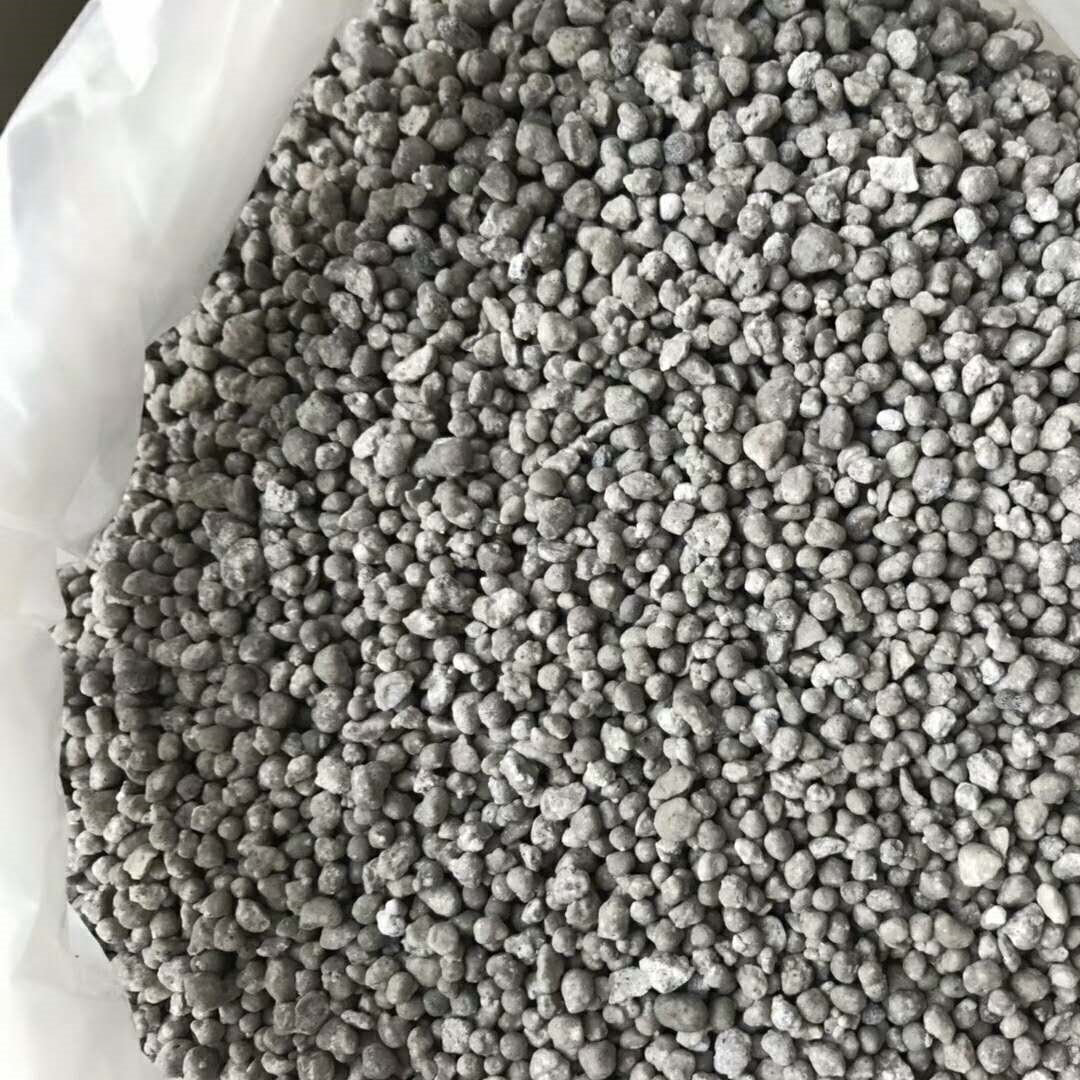
Granular TSP fertilizer is designed for convenient handling, storage, transport, and application. Compared with powdered phosphate fertilizer, granules generally produce less dust and are easier to distribute evenly using broadcast spreaders, drills, planters, and fertilizer-blending equipment.
Common application methods
Broadcast application: The product is spread across the field and incorporated into the soil before planting. This method is suitable for correcting phosphorus deficiency across a large area.
Band application: TSP is placed in a concentrated band near the crop row. Banding can improve early phosphorus access, especially where soil phosphorus is low or the soil has a high phosphorus-fixing capacity.
Starter application: A measured amount is placed near the seed zone during planting, while avoiding direct contact with seeds.
Tree and plantation application: TSP can be placed around the active root zone of fruit trees, vines, oil palms, and other perennial crops. Rates should account for tree age, soil fertility, crop yield, and existing fertilizer programs.
Blending: Granular TSP can be combined with compatible nitrogen or potassium fertilizers to create a customized nutrient mixture. Compatibility, granule size, moisture content, and storage stability should be confirmed before blending.
General rate examples
The following figures are planning examples, not universal prescriptions:
Some supplier guidance lists broad TSP application ranges of approximately 100–300 kg/ha for broadcast and incorporation, but the appropriate quantity depends on soil-test results, crop type, yield target, and regional recommendations.
Triple superphosphate fertilizer
Triple superphosphate fertilizer is used in a wide range of agricultural production systems. Its principal purpose is to correct or prevent phosphorus deficiency and to supply readily available phosphate during periods of high crop demand.
Crop applications
TSP may be used for:
-
Maize and other cereals.
-
Wheat, rice, and sorghum.
-
Soybeans, beans, peas, and other legumes.
-
Potatoes and root crops.
-
Vegetables such as tomatoes, onions, peppers, and cabbage.
-
Cotton and oilseed crops.
-
Sugarcane.
-
Pasture and forage crops.
-
Fruit trees and vines.
-
Plantation crops.
Phosphorus is especially important for crops that need vigorous root systems, rapid early development, flowering, and seed or fruit formation. In legumes, adequate phosphorus can support nodulation and biological nitrogen fixation, although phosphorus alone cannot replace the complete nutrient program.
TSP versus DAP and SSP
TSP is often compared with DAP and single superphosphate.
TSP may be preferable to DAP when the grower does not want additional nitrogen. DAP may be more convenient when both nitrogen and phosphorus are needed. SSP may be preferred where sulfur is also deficient, although a larger quantity may be needed to deliver the same amount of phosphate.
TSP fertilizer supplier
Choosing a dependable TSP fertilizer supplier is important for product quality, crop performance, and supply continuity. Buyers should evaluate more than the quoted price.
A reputable supplier should be able to provide:
-
Product specification or technical data sheet.
-
Guaranteed P2O5P_2O_5P2O5 analysis.
-
Granule-size information.
-
Moisture and caking specifications.
-
Packaging options.
-
Certificate of analysis for the shipment.
-
Safety data sheet.
-
Manufacturing origin and batch information.
-
Loading port and delivery terms.
-
Product registration documents where required.
Buyers should also confirm whether the material is suitable for direct agricultural application, fertilizer blending, or industrial use. A low price may reflect a different grade, inconsistent granulation, excessive moisture, poor packaging, or unclear origin.
Questions to ask a supplier
Before placing an order, ask:
-
Is the product standard granular TSP 0-46-0?
-
What is the guaranteed available P2O5P_2O_5P2O5 content?
-
What percentage is water-soluble?
-
What is the typical granule size?
-
What is the moisture level?
-
Is the product treated with an anti-caking agent?
-
What packaging sizes are available?
-
Can the supplier provide a current certificate of analysis?
-
What are the minimum order and delivery terms?
-
Can the supplier support repeat shipments?
TSP fertilizer wholesale
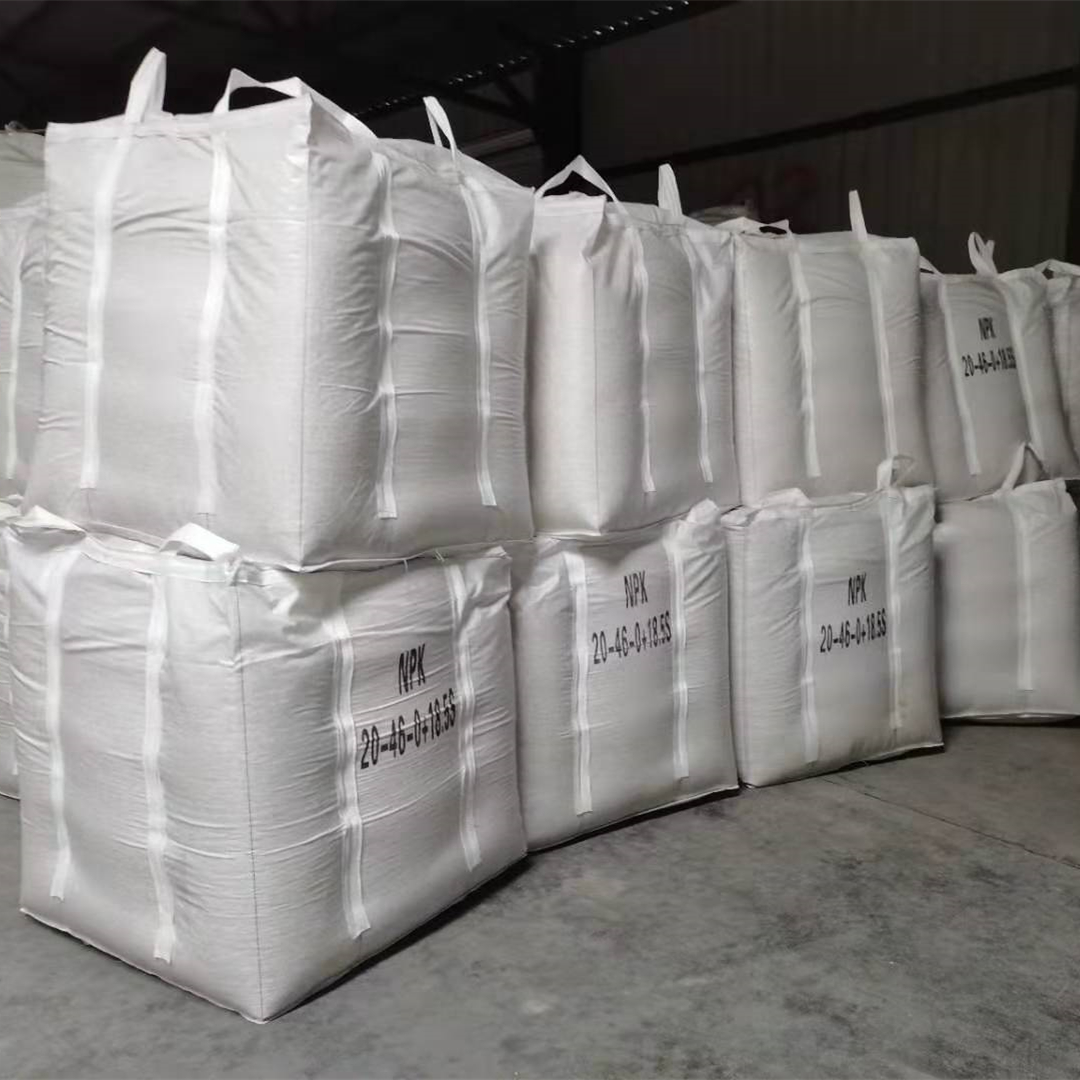
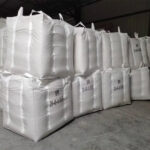
TSP fertilizer wholesale purchasing is commonly used by importers, agricultural distributors, cooperatives, plantation operators, and large farms. Wholesale orders may be supplied in 25 kg or 50 kg bags, one-tonne jumbo bags, or bulk shipments.
The right packaging depends on the buyer’s storage facilities and distribution model:
-
Small bags are useful for retail agricultural stores.
-
Jumbo bags reduce handling for commercial farms.
-
Bulk shipments are suitable for ports, warehouses, and large fertilizer distributors.
-
Palletized bags simplify loading and inventory management.
Wholesale buyers should compare the delivered cost rather than the advertised product price alone. Freight, insurance, port charges, inspection, customs duties, inland transportation, bagging, and financing can significantly affect the final landed cost.
Bulk TSP fertilizer
Bulk TSP fertilizer is generally preferred for high-volume agricultural operations because it can reduce packaging and manual handling costs. However, bulk storage requires suitable infrastructure.
TSP should be stored:
-
In a dry, covered warehouse.
-
Away from rain, ground moisture, and leaking roofs.
-
On pallets or another raised surface.
-
In sealed or properly covered packaging.
-
Away from direct contact with walls and floors.
-
With sufficient airflow to limit condensation.
-
According to the manufacturer’s stacking instructions.
Moisture can cause caking and may reduce spreading performance. Current supplier guidance commonly recommends cool, dry storage, moisture-barrier packaging, and controlled stack heights to limit compaction.
Warehouse operators should use first-in, first-out inventory management and inspect bags regularly for tears, moisture exposure, or hardened product. Caked fertilizer may be difficult to apply uniformly and can damage spreading equipment if large lumps are introduced.
TSP fertilizer manufacturer
A reliable TSP fertilizer manufacturer should maintain consistent chemical analysis, granule size, moisture control, and packaging quality from batch to batch. This consistency matters for mechanical spreading, fertilizer blending, and accurate nutrient application.
When assessing a TSP fertilizer manufacturer, consider:
-
Production capacity.
-
Phosphate rock and phosphoric acid sourcing.
-
Granulation technology.
-
Quality-control laboratory capabilities.
-
Export experience.
-
Product registration and regulatory compliance.
-
Ability to issue certificates of analysis.
-
Traceability by lot or batch number.
-
Loading and packaging capacity.
-
History of serving the destination market.
A manufacturer that communicates clearly about specifications and documentation is generally easier to work with than a seller offering only a product photograph and a basic price quotation.
TSP fertilizer exporter
A TSP fertilizer exporter coordinates the product shipment from the manufacturing or distribution country to the buyer’s destination. International buyers should verify the exporter’s ability to handle the required trade documents and shipping terms.
Common documents may include:
-
Commercial invoice.
-
Packing list.
-
Certificate of analysis.
-
Certificate of origin.
-
Bill of lading.
-
Safety data sheet.
-
Inspection certificate, where required.
-
Phytosanitary or regulatory documentation where applicable.
-
Insurance certificate under the agreed Incoterm.
Buyers should clearly specify the destination port, packaging type, quantity, inspection requirements, and preferred Incoterm. For example, a quotation on a free-on-board basis will not include the same charges as a delivered or cost-and-freight quotation.
It is also important to verify import requirements before payment. Fertilizer registration rules, labeling requirements, permitted nutrient claims, and customs procedures vary by country.
TSP fertilizer price
TSP fertilizer price changes according to several market and transaction factors. A supplier’s quoted price may not represent the final cost paid by the buyer.
The main price factors include:
-
Phosphate rock and phosphoric acid costs.
-
Energy and manufacturing costs.
-
Product grade and analysis.
-
Granule size and treatment.
-
Order volume.
-
Packaging type.
-
Shipping distance and freight rates.
-
Port handling and insurance.
-
Currency exchange rates.
-
Import duties and taxes.
-
Seasonal agricultural demand.
-
Payment terms.
-
Inspection and certification requirements.
Market listings can show broad price ranges for TSP, but online quotations should be treated as indicative rather than guaranteed. For example, one recent market listing showed a range of approximately US$310–420 per tonne for a TSP 46 product, although the final amount depends on specification, quantity, origin, shipping terms, and delivery location.
How to compare quotations
When comparing offers, request the following details in writing:
-
Price per metric tonne.
-
Product grade and guaranteed analysis.
-
Quantity and packaging.
-
Incoterm.
-
Loading port.
-
Destination port or delivery location.
-
Lead time.
-
Payment terms.
-
Inspection arrangements.
-
Validity period of the quotation.
-
Included and excluded charges.
A slightly higher quotation from a verified manufacturer may provide better value than a cheaper offer with uncertain analysis, weak packaging, or incomplete documentation.
Final buying guidance
Triple Super Phosphate 46% TSP granular use is most effective when the product is matched to a confirmed phosphorus requirement. TSP 0-46-0 supplies concentrated phosphate without nitrogen or potassium, making it useful for targeted fertilization, custom blends, band placement, and pre-plant incorporation.
For the best result, buyers should:
-
Test the soil before application.
-
Calculate rates using the product’s actual P2O5P_2O_5P2O5 analysis.
-
Apply TSP near the active root zone without placing it directly against seed.
-
Use local crop recommendations for timing and rates.
-
Store the fertilizer away from moisture.
-
Request a certificate of analysis before bulk purchase.
-
Compare landed cost rather than product price alone.
-
Select a supplier or exporter with clear documentation and consistent quality.
When purchased from a reliable TSP fertilizer manufacturer and applied according to soil and crop requirements, granular triple superphosphate can provide an efficient phosphorus source for commercial farms, distributors, and agricultural production programs. Follow Us On Facebook.

Reviews
There are no reviews yet.