
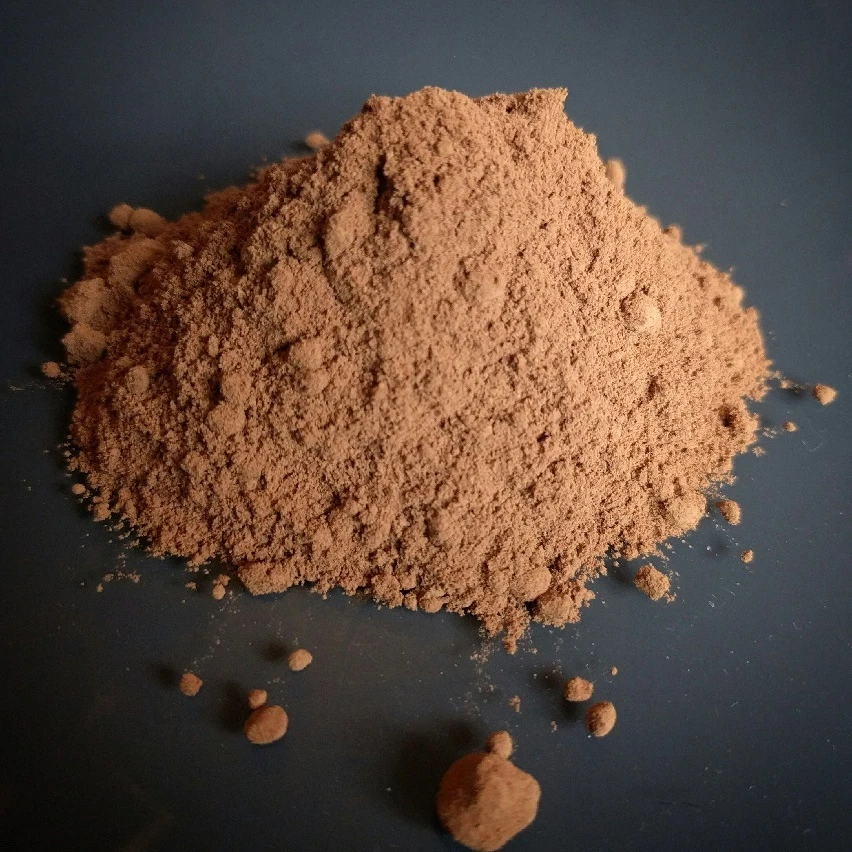
Organic Natural 10-12 Cacao Powder
$45.00 – $180.00Price range: $45.00 through $180.00
Description
Organic Natural 10-12 Cacao Powder is a versatile cacao ingredient for food manufacturers, chocolate makers, bakeries, pastry professionals, beverage producers, confectionery businesses, and specialty food brands seeking a naturally processed cocoa powder with a moderate cocoa butter specification.
Organic Natural 10-12 Cacao Powder
Organic Natural 10-12 Cacao Powder is a versatile cacao ingredient for food manufacturers, chocolate makers, bakeries, pastry professionals, beverage producers, confectionery businesses, and specialty food brands seeking a naturally processed cocoa powder with a moderate cocoa butter specification. Combining organic sourcing with a natural cacao profile and an approximate 10–12% cocoa butter content, this ingredient can provide a practical foundation for a wide range of commercial and culinary applications. Organic Natural 10-12 Cacao Powder
Cacao powder is made by processing cacao beans into cocoa liquor or mass and mechanically separating a portion of the naturally occurring cacao butter. The remaining cocoa solids are finely milled into powder. Natural cacao powder is generally not treated with alkaline agents, allowing it to retain more of the cacao bean’s natural acidity compared with Dutched or alkalized cacao powder.
The 10-12 designation commonly refers to an approximate cocoa butter content of 10–12%, although exact specifications can vary and should always be confirmed through the supplier’s technical documentation. This moderate fat level can provide a useful balance between cacao solids, flavor, texture, and formulation performance.
The organic designation is also important for businesses developing certified organic products. Organic claims must be supported by appropriate certification and documentation applicable to the target market. https://oilscenter.com/
For manufacturers looking for a flexible cacao ingredient for cakes, brownies, cookies, beverages, desserts, confectionery, sauces, and other specialty foods, Organic Natural 10-12 Cacao Powder can offer an attractive combination of natural cacao character and commercial versatility.
Organic Natural 10-12 Cacao Powder Origin
The origin of Organic Natural 10-12 Cacao Powder begins with cacao beans grown under the requirements applicable to organic agricultural production.
The exact geographic origin of the cacao should be confirmed with the supplier because the product name does not necessarily identify a particular country, estate, plantation, or cacao variety.
Cacao characteristics can vary according to genetics, soil, climate, harvesting, fermentation, drying, roasting, pressing, and milling.
For businesses purchasing organic cacao powder, traceability can be especially important. Buyers may request information regarding the cacao source, processing facility, organic certification, lot identification, and supply-chain controls.
Documented sourcing information can also help brands create accurate product descriptions and ingredient stories.
Organic Natural 10-12 Cacao Powder Characteristics
A key characteristic of Organic Natural 10-12 Cacao Powder is its natural processing profile.
Unlike Dutched cacao powder, natural cacao powder generally does not undergo alkaline treatment designed to reduce acidity. As a result, natural cacao typically has a lower pH and a more pronounced acidic character.
This acidity can influence both flavor and baking chemistry.
The 10–12% cocoa butter specification provides a moderate level of naturally occurring cacao fat. This can contribute to the powder’s flavor, mouthfeel, aroma, and interaction with other ingredients.
Exact specifications should be verified through the supplier’s technical data sheet and certificate of analysis.
Organic Natural 10-12 Cacao Powder 10-12 Specification
The 10-12 specification is commercially important when selecting Organic Natural 10-12 Cacao Powder.
Cacao powders are frequently classified according to their approximate cocoa butter content. A 10–12% cacao powder generally contains around 10–12% cocoa butter.
This provides a balance between cocoa solids and cacao fat that can work well in many formulations.
Compared with a higher-fat 20/22 powder, a 10/12 powder generally contributes less cacao fat. However, the best choice depends on the finished product and the manufacturer’s formulation objectives.
Professional buyers should rely on the supplier’s analytical specification rather than assuming the exact fat content from the product name alone.
Organic Natural 10-12 Cacao Powder Flavor Profile
The flavor profile of Organic Natural 10-12 Cacao Powder can reflect the characteristics of the original cacao beans and their processing.
Natural cacao powder generally retains more of the bean’s natural acidity than alkalized cacao. This can contribute brightness and complexity to chocolate-flavored foods.
Depending on the cacao source and processing, the powder may offer chocolate, roasted, nutty, fruity, earthy, or other sensory characteristics.
The actual flavor should be assessed through representative samples because cacao powder can vary between origins and batches.
For commercial product development, sensory testing is an important step before committing to large-volume purchasing.
Organic Natural 10-12 Cacao Powder Color
Color is another important characteristic of Organic Natural 10-12 Cacao Powder.
Natural cacao powder can range from reddish-brown to medium or darker brown, depending on cacao origin, fermentation, roasting, and processing.
Because natural cacao has not undergone the same alkalization process as Dutched cacao, its color may differ from the deeper brown or very dark shades associated with strongly alkalized powders.
For commercial applications requiring consistent color, manufacturers should request a documented color specification and evaluate samples under actual production conditions.
Organic Natural 10-12 Cacao Powder for Baking
Baking is one of the most important applications for Organic Natural 10-12 Cacao Powder.
The powder can be incorporated into:
- Cakes
- Brownies
- Cookies
- Biscuits
- Muffins
- Cupcakes
- Pastries
- Dessert mixes
- Chocolate breads
- Bakery fillings
Natural cacao’s acidity can interact with alkaline leavening agents such as baking soda. This makes natural cacao particularly relevant to recipes designed around an acid-base balance.
When replacing Dutched cacao with natural cacao, or natural cacao with Dutched cacao, manufacturers should review the leavening system and conduct controlled recipe testing.
Organic Natural 10-12 Cacao Powder for Chocolate Cake
Organic Natural 10-12 Cacao Powder can provide cacao flavor and color in chocolate cake formulations.
It can be combined with flour, sugar, eggs or egg alternatives, milk or plant-based liquids, fats, and appropriate leavening agents.
The natural acidity can work with baking soda in appropriately designed recipes.
The 10–12% cocoa butter specification provides a moderate amount of cacao-derived fat that can contribute to the overall flavor and formulation.
Commercial bakeries should evaluate cake rise, crumb structure, moisture, color, flavor, and shelf stability before finalizing a recipe.
Organic Natural 10-12 Cacao Powder for Brownies
Brownies can be an excellent application for Organic Natural 10-12 Cacao Powder.
Cacao powder provides a concentrated chocolate component while allowing manufacturers to control the recipe’s overall fat and sugar balance.
A 10–12% cocoa butter powder offers moderate cacao fat that can work alongside butter, coconut oil, vegetable oils, or other fats.
Natural cacao can also provide a characteristic chocolate flavor with noticeable acidity, depending on the source.
Recipe developers can adjust the cacao inclusion level to achieve the desired balance between chocolate intensity, moisture, density, and texture.
Organic Natural 10-12 Cacao Powder for Cookies
Cookie and biscuit manufacturers can incorporate Organic Natural 10-12 Cacao Powder into a variety of chocolate-flavored products.
It can be combined with flour, sugar, fats, chocolate pieces, nuts, dried fruit, spices, and flavorings.
The natural acidity may influence the performance of baking soda and other leavening ingredients, so recipe developers should conduct appropriate trials.
Manufacturers should evaluate dough handling, spread, finished color, crispness, moisture, and flavor.
Organic Natural 10-12 Cacao Powder for Beverages
Organic Natural 10-12 Cacao Powder can be used in chocolate beverages, cocoa mixes, smoothies, and specialty drinks.
Potential applications include hot cocoa, chocolate milk, plant-based chocolate beverages, powdered drink mixes, and blended cacao drinks.
The natural cacao profile can provide a distinctive chocolate character, while the 10–12% cocoa butter specification provides a moderate level of cacao-derived fat.
However, natural cacao powder is not automatically instant-soluble. Beverage manufacturers should test dispersion, sedimentation, particle behavior, and stability.
Appropriate mixing techniques can help achieve a consistent beverage formulation.
Organic Natural 10-12 Cacao Powder for Hot Chocolate
Hot chocolate manufacturers can explore Organic Natural 10-12 Cacao Powder as a cacao component in powdered and ready-to-prepare drink products.
The powder can be blended with sugar, milk powder, plant-based ingredients, flavors, and other formulation components.
Natural cacao can provide a more noticeable acidic character than alkalized cocoa powder. Developers can balance this characteristic through sweetness and complementary ingredients.
For commercial production, powder flowability, dispersion, moisture resistance, packaging, and storage stability should also be evaluated.
Organic Natural 10-12 Cacao Powder for Desserts
Dessert manufacturers can use Organic Natural 10-12 Cacao Powder in many sweet formulations.
Applications include:
- Chocolate pudding
- Mousse
- Custard
- Dessert creams
- Chocolate sauces
- Cake fillings
- Ice cream
- Frozen desserts
- Dessert mixes
- Chocolate toppings
The natural cacao flavor can provide depth and complexity to sweet recipes.
For chilled and frozen products, manufacturers should test the powder’s impact on viscosity, flavor release, texture, and stability.
Organic Natural 10-12 Cacao Powder for Confectionery
Organic Natural 10-12 Cacao Powder is also suitable for selected confectionery applications.
It can be incorporated into chocolate fillings, truffles, fudge, candy centers, dessert coatings, and specialty confectionery.
The powder provides cacao solids while contributing a moderate level of cacao fat.
Its natural acidity can also provide contrast in sweet formulations.
Commercial confectionery manufacturers should conduct controlled trials to determine the appropriate inclusion rate and evaluate texture, flavor, color, and processing performance.
Organic Natural 10-12 Cacao Powder for Chocolate Sauces
Chocolate sauces can benefit from the flavor and color of Organic Natural 10-12 Cacao Powder.
Manufacturers can combine the powder with sugar, water, dairy or plant-based liquids, fats, stabilizers, and flavor ingredients.
Natural cacao can provide a more pronounced cacao character than some alkalized powders.
Proper mixing and hydration are important to prevent clumping and achieve a smooth sauce.
Industrial manufacturers may use high-shear mixers or other suitable processing equipment depending on the formulation.
Organic Natural 10-12 Cacao Powder for Ice Cream
Frozen dessert producers can consider Organic Natural 10-12 Cacao Powder for chocolate ice cream, gelato-style products, frozen yogurt, and plant-based frozen desserts.
The powder contributes cocoa solids, flavor, and color while adding a moderate amount of cacao fat.
Manufacturers should evaluate viscosity, freezing behavior, texture, dispersion, and flavor release during development.
Proper dispersion before freezing is important for achieving an even chocolate profile throughout the finished product.
Organic Natural 10-12 Cacao Powder pH
pH is a significant technical characteristic of Organic Natural 10-12 Cacao Powder.
Natural cacao powder generally has a more acidic pH than alkalized cacao powder. This can affect both sensory characteristics and chemical reactions in food formulations.
In baking, pH can influence the interaction between cacao powder and leavening agents.
For this reason, manufacturers should obtain the supplier’s actual pH specification and avoid assuming that all natural cacao powders have identical acidity.
Controlled recipe testing is recommended whenever changing cacao powder suppliers or specifications.
Organic Natural 10-12 Cacao Powder Organic Certification
Organic certification is an important consideration for Organic Natural 10-12 Cacao Powder.
The term “organic” may be subject to regulated standards depending on the market where the ingredient or finished product is sold.
Manufacturers should verify the certification status of the cacao powder, processing facility, supply chain, and relevant handling operations.
Businesses should only make certified-organic claims when they have the documentation necessary to support those claims.
This helps ensure accurate labeling and responsible marketing.
Organic Natural 10-12 Cacao Powder Nutritional Profile
Organic Natural 10-12 Cacao Powder contains cacao solids and naturally occurring cacao fat.
The precise nutritional profile depends on the specific product and analytical results.
Commercial buyers should use supplier-provided nutrition information and certificates of analysis when developing finished-product nutrition labels.
Cacao contains naturally occurring compounds, but businesses should avoid making health-related claims unless such claims are legally permitted and properly substantiated for the target market.
The final nutritional value of a finished product depends on the entire formulation.
Organic Natural 10-12 Cacao Powder Quality
Quality control is essential when sourcing Organic Natural 10-12 Cacao Powder for commercial applications.
Important quality parameters can include:
- Cocoa butter content
- pH
- Color
- Moisture
- Particle size
- Aroma
- Flavor
- Microbiological specifications
- Heavy-metal specifications where applicable
- Organic certification
- Packaging
- Shelf life
- Batch consistency
- Traceability
The appropriate specifications depend on the intended application.
A current technical data sheet and certificate of analysis can help buyers evaluate whether a particular batch meets their requirements.
Organic Natural 10-12 Cacao Powder Food Safety
Food safety should remain a priority when purchasing Organic Natural 10-12 Cacao Powder.
Manufacturers should review supplier information regarding microbiological quality, contaminants, allergen information where applicable, traceability, and food-safety management systems.
The powder should be handled and stored under appropriate hygienic conditions.
For commercial manufacturing, incoming batch checks and documented quality-control procedures can help maintain consistent standards.
Organic Natural 10-12 Cacao Powder Storage
Proper storage helps preserve the quality of Organic Natural 10-12 Cacao Powder.
The powder should generally be stored in a cool, dry, clean environment protected from direct sunlight, excessive humidity, pests, contaminants, and strong odors.
Moisture can cause cacao powder to clump and may affect its handling characteristics.
Packaging should be kept properly sealed when the ingredient is not in use.
Commercial facilities should follow the supplier’s recommendations for temperature, humidity, storage duration, and stock rotation.
Organic Natural 10-12 Cacao Powder for Premium Brands
Premium food brands can incorporate Organic Natural 10-12 Cacao Powder into products designed around natural cacao ingredients.
Organic certification can support an organic product proposition when the appropriate requirements are met.
The natural cacao processing profile can also appeal to brands seeking an ingredient that retains the characteristic acidity of non-alkalized cacao.
Businesses can communicate verified information about organic certification, cacao origin, processing, fat content, and application.
Accurate technical information helps create a transparent product story without relying on unsupported claims.
Organic Natural 10-12 Cacao Powder Product Development
Successful product development with Organic Natural 10-12 Cacao Powder begins with sample evaluation.
Manufacturers can test different inclusion levels and examine the impact on flavor, color, texture, pH, moisture, viscosity, and processing behavior.
Baking applications require particular attention to acid-base balance. Beverage applications require dispersion testing. Dessert and frozen-food applications may require additional evaluation of viscosity and stability.
Pilot production can help manufacturers determine whether the powder performs consistently before committing to large-scale commercial orders.
Organic Natural 10-12 Cacao Powder Buying Guide
When purchasing Organic Natural 10-12 Cacao Powder, commercial buyers should consider several key factors.
1. Organic certification: Confirm valid certification and supporting documentation.
2. Cocoa butter content: Verify the 10–12% specification through analytical data.
3. Processing: Confirm that the product is natural and not alkalized.
4. pH: Review the supplier’s specified pH range.
5. Color: Request a documented color specification.
6. Flavor: Evaluate a representative sample.
7. Food safety: Review applicable microbiological and contaminant specifications.
8. Packaging: Ensure adequate protection against humidity and contamination.
9. Shelf life: Confirm storage requirements and expiry information.
10. Traceability: Review lot information and sourcing documentation.
These considerations can help manufacturers select a cacao powder suitable for their technical and commercial requirements.
Organic Natural 10-12 Cacao Powder Commercial Applications
The versatility of Organic Natural 10-12 Cacao Powder makes it relevant to a broad range of commercial food applications.
Potential uses include:
- Organic bakery products
- Chocolate cakes
- Brownies
- Cookies
- Biscuits
- Muffins
- Chocolate beverages
- Hot cocoa
- Dessert mixes
- Ice cream
- Chocolate sauces
- Confectionery
- Fillings
- Specialty foods
Its natural cacao profile and moderate cocoa butter specification make it a flexible ingredient for manufacturers developing chocolate-forward products.
Organic Natural 10-12 Cacao Powder Final Thoughts
Organic Natural 10-12 Cacao Powder is a versatile cacao ingredient designed for businesses seeking a natural, organic-positioned cocoa powder with an approximately 10–12% cocoa butter specification.
Its natural processing profile means it generally retains more of cacao’s characteristic acidity than Dutched or alkalized cacao powders. This makes it particularly relevant to recipes where natural cacao acidity plays a role in flavor or baking chemistry.
The moderate 10–12% cocoa butter specification also provides a practical balance between cacao solids and cacao-derived fat, making the ingredient suitable for bakery products, chocolate beverages, desserts, confectionery, sauces, frozen desserts, and specialty foods.
For commercial buyers, the product name should always be supported by technical documentation. Exact fat content, pH, color, moisture, particle size, organic certification, food-safety specifications, processing details, and traceability should be verified with the supplier.
Organic certification is particularly important for brands making certified-organic claims. Requirements differ between markets, so manufacturers should ensure that the ingredient and finished product comply with the relevant standards.
With careful sourcing, appropriate storage, controlled formulation trials, and consistent quality management, Organic Natural 10-12 Cacao Powder can provide a reliable and flexible ingredient for businesses developing natural cacao-based products.
Whether used by artisan bakeries, chocolate manufacturers, beverage companies, confectionery producers, or large-scale food manufacturers, this cacao powder offers a practical foundation for creating chocolate-forward products with natural cacao character and organic ingredient positioning. Contact
| Weight | 13 kg box ( 28.65 lb), 3 kg box (6.6 lb) |
|---|
Be the first to review “Organic Natural 10-12 Cacao Powder” Cancel reply
Related Products
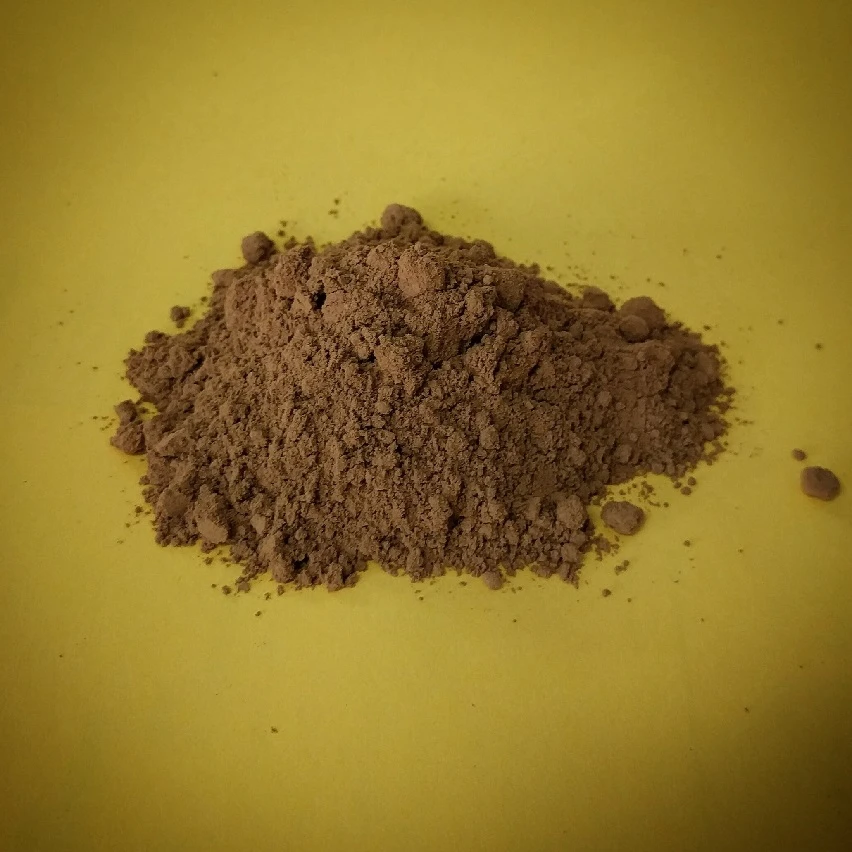
Organic Dutched (alkalized) 20-22 Cacao Powder
$59.00 – $199.00Price range: $59.00 through $199.00
Select options
This product has multiple variants. The options may be chosen on the product page
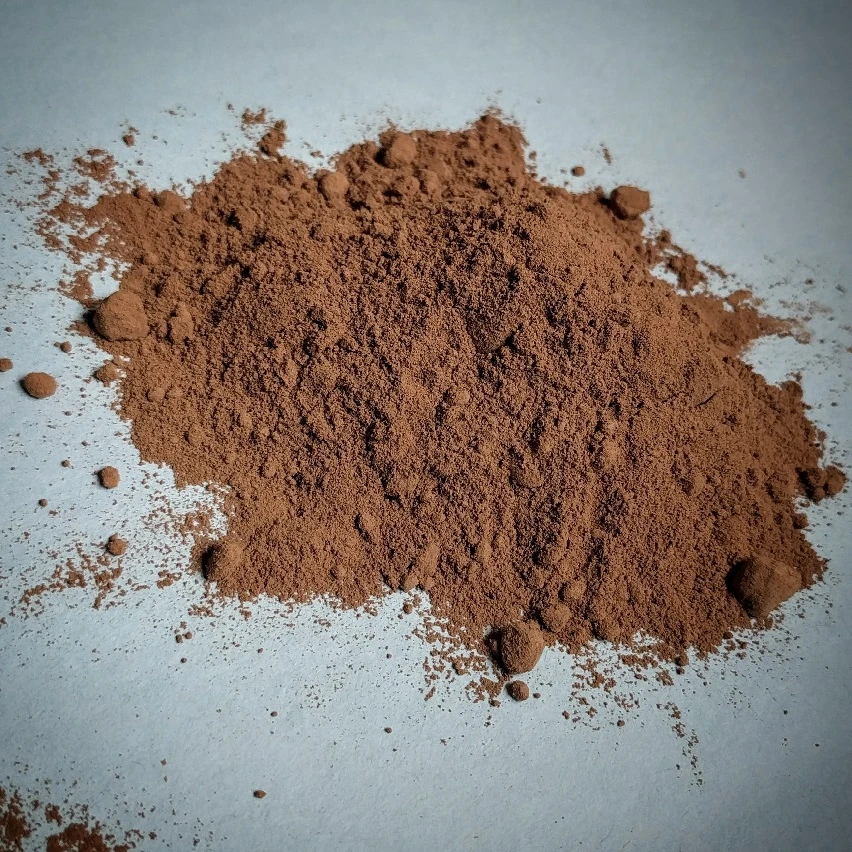
Organic Natural 20/22 Cacao Powder
$51.00 – $199.00Price range: $51.00 through $199.00
Select options
This product has multiple variants. The options may be chosen on the product page
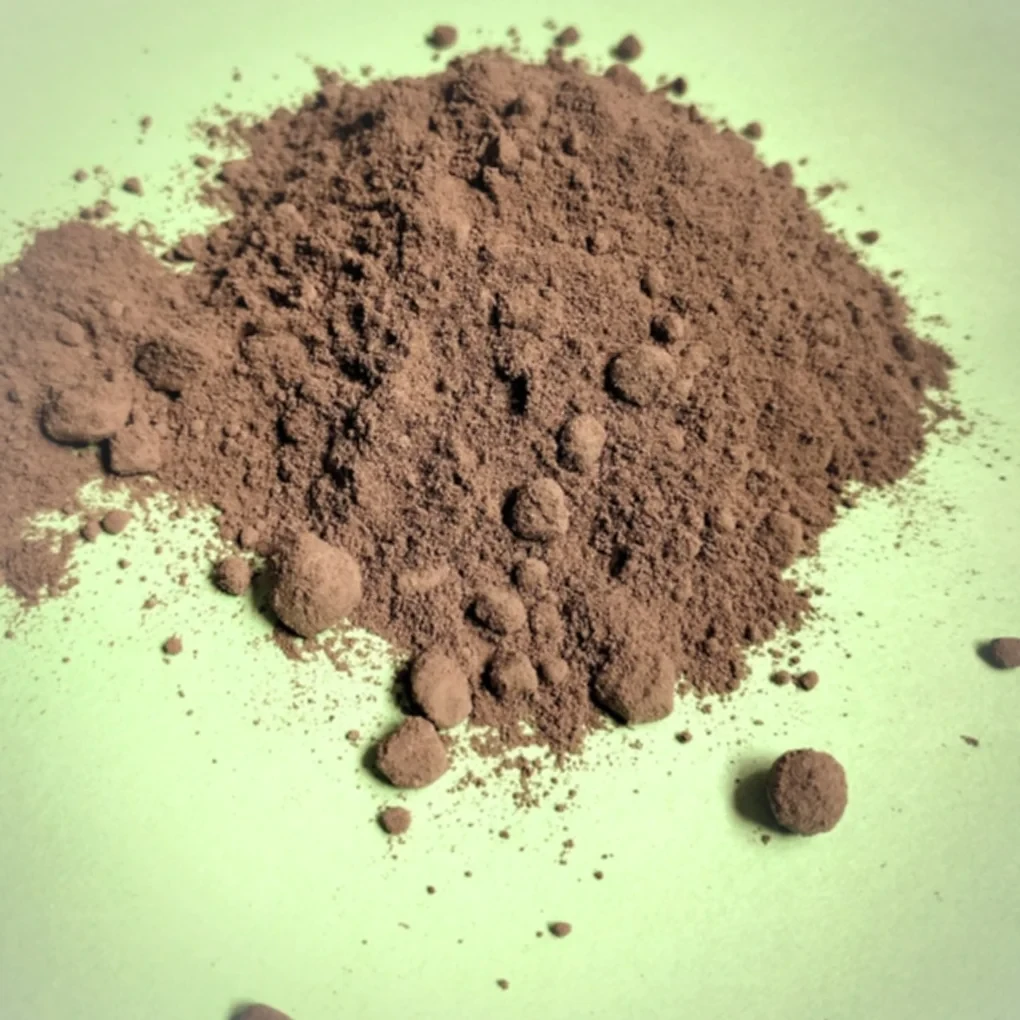
Antioque Caoba – 10/12 Dutched (alkalized) Cacao Powder
$49.00 – $176.00Price range: $49.00 through $176.00
Select options
This product has multiple variants. The options may be chosen on the product page
CocoaSupply -Vintage Lacewood – Natural 20/22 Cacao Powder
$49.00 – $194.00Price range: $49.00 through $194.00
Select options
This product has multiple variants. The options may be chosen on the product page
Organic Dutched (alkalized) 10/12 Cacao Powder
$44.00 – $180.00Price range: $44.00 through $180.00
Select options
This product has multiple variants. The options may be chosen on the product page
Reviews
There are no reviews yet.