Antioque Caoba – 10/12 Dutched (alkalized) Cacao Powder
Antioque Caoba – 10/12 Dutched (alkalized) Cacao Powder is a specialty cacao ingredient designed for food manufacturers, chocolatiers, bakeries, beverage producers, pastry professionals, and brands developing premium chocolate-flavored products. With its 10/12 specification and Dutched, or alkalized, processing, this cacao powder can provide a distinctive combination of cacao character, rich color, smooth flavor, and functional versatility. Antioque Caoba – 10/12 Dutched (alkalized) Cacao Powder
Cacao powder is produced by processing cacao beans into cocoa mass and separating much of the cacao butter from the remaining cocoa solids. The resulting solids are milled into a fine powder. When cacao powder undergoes alkalization, its acidity is modified through treatment with an alkaline agent. This process can alter the powder’s color, flavor, and dispersibility, making Dutched cacao powder particularly useful in applications where a darker appearance and smoother flavor profile are desired.
The 10/12 designation commonly refers to a cacao powder with approximately 10–12% cocoa butter, although exact specifications should always be confirmed with the supplier. Fat content can have an important influence on mouthfeel, flavor delivery, dispersibility, and performance in different food formulations.
For commercial buyers, Antioque Caoba – 10/12 Dutched (alkalized) Cacao Powder offers an ingredient option for developing chocolate beverages, bakery products, desserts, confectionery, fillings, sauces, and numerous other food applications.
Antioque Caoba – 10/12 Dutched (alkalized) Cacao Powder Origin
The origin and identity of Antioque Caoba – 10/12 Dutched (alkalized) Cacao Powder form an important part of its commercial positioning.
The term “Antioque” may indicate an association with Antioquia, Colombia, depending on the supplier’s naming and sourcing documentation. However, buyers should verify the precise geographic origin, cacao source, and manufacturing details with the supplier rather than assuming that the product name alone establishes origin.
Cacao from Colombia can offer an interesting foundation for specialty chocolate and cocoa ingredients because the country’s diverse growing regions support different cacao characteristics.
For ingredient manufacturers, geographic provenance can become part of a product’s story when it is accurately documented and supported by traceability information.
Antioque Caoba – 10/12 Dutched (alkalized) Cacao Powder Characteristics
A major characteristic of Antioque Caoba – 10/12 Dutched (alkalized) Cacao Powder is its alkalized processing.
Dutched cacao powder has been treated with an alkaline substance to modify its natural acidity. Compared with natural cacao powder, alkalized cacao commonly has a smoother, less acidic flavor profile and can exhibit darker coloration.
The degree of alkalization can vary, resulting in different color and pH characteristics. This makes it important for manufacturers to review the supplier’s pH, color, fat, moisture, and other specifications.
These properties influence how the powder performs in different formulations, particularly bakery products and beverages.
Antioque Caoba – 10/12 Dutched (alkalized) Cacao Powder 10/12 Specification
The 10/12 designation in Antioque Caoba – 10/12 Dutched (alkalized) Cacao Powder is commercially relevant because cocoa powders are often classified according to their approximate cocoa butter content.
A 10/12 cocoa powder generally indicates a powder containing approximately 10–12% cocoa butter.
Compared with lower-fat cocoa powders, a 10/12 powder may provide a somewhat richer cacao character and different mouthfeel. However, the exact performance depends on the complete formulation and processing conditions.
For commercial product development, manufacturers should use the supplier’s certified specification rather than relying solely on the 10/12 designation.
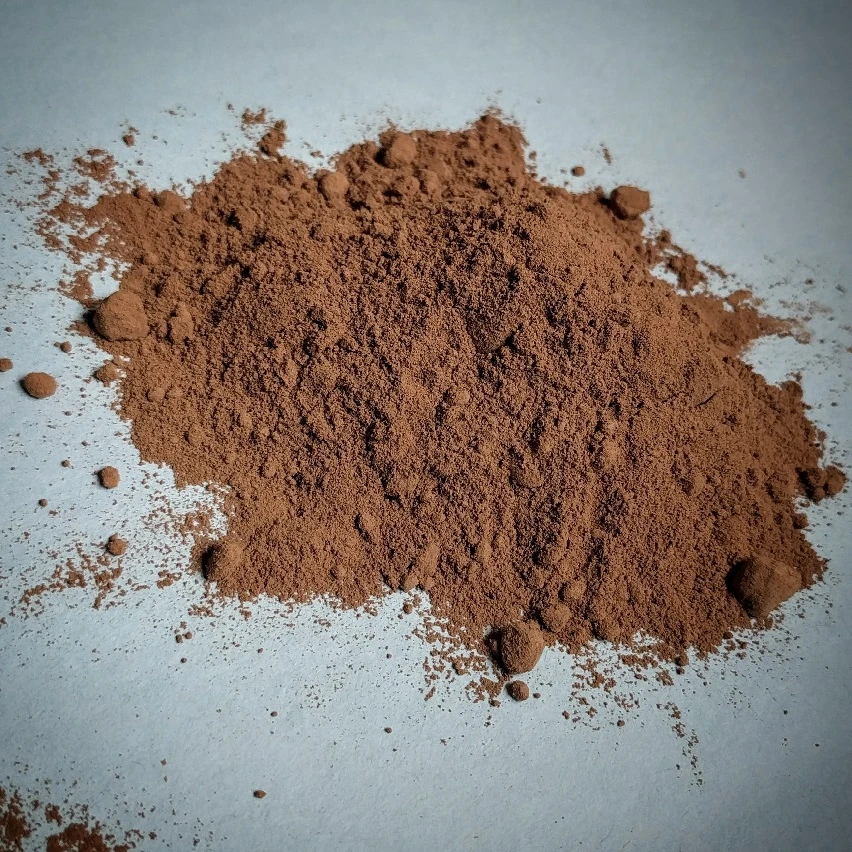
Antioque Caoba – 10/12 Dutched (alkalized) Cacao Powder Color
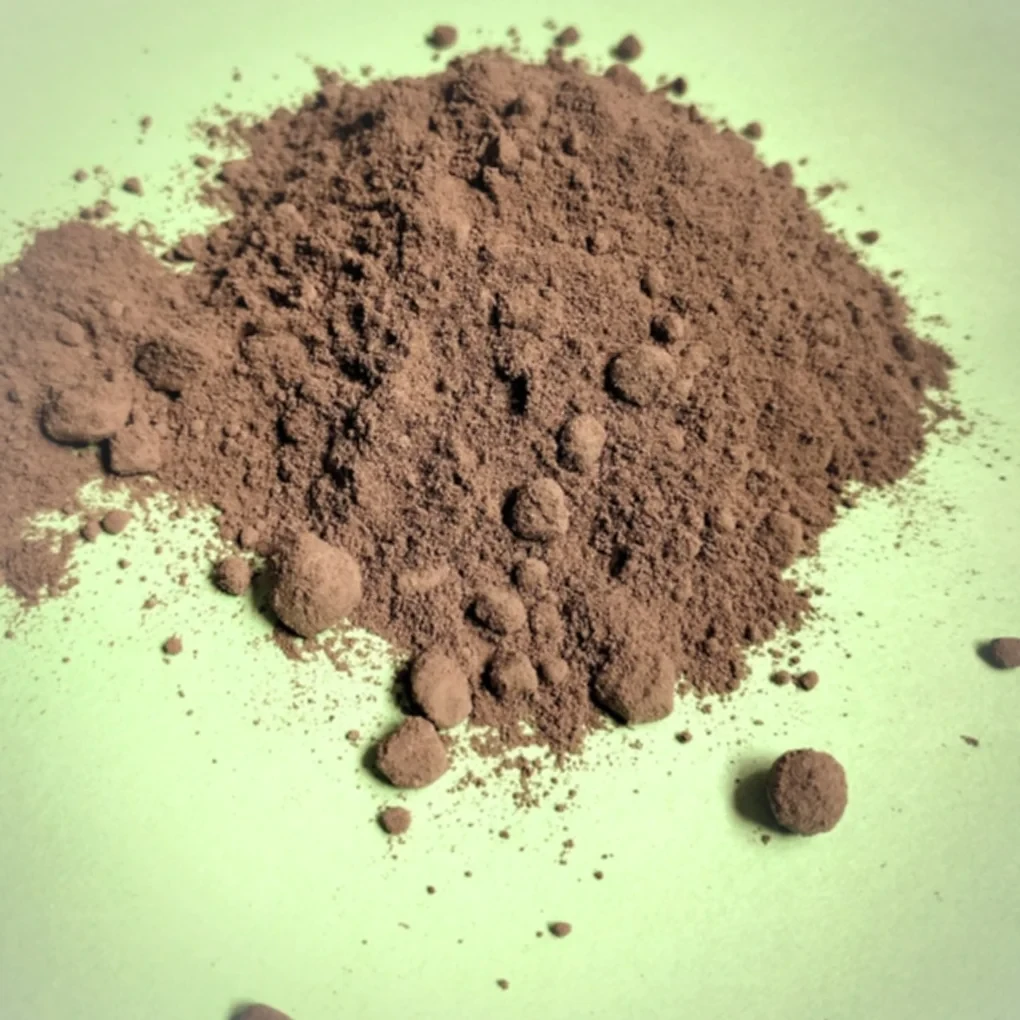
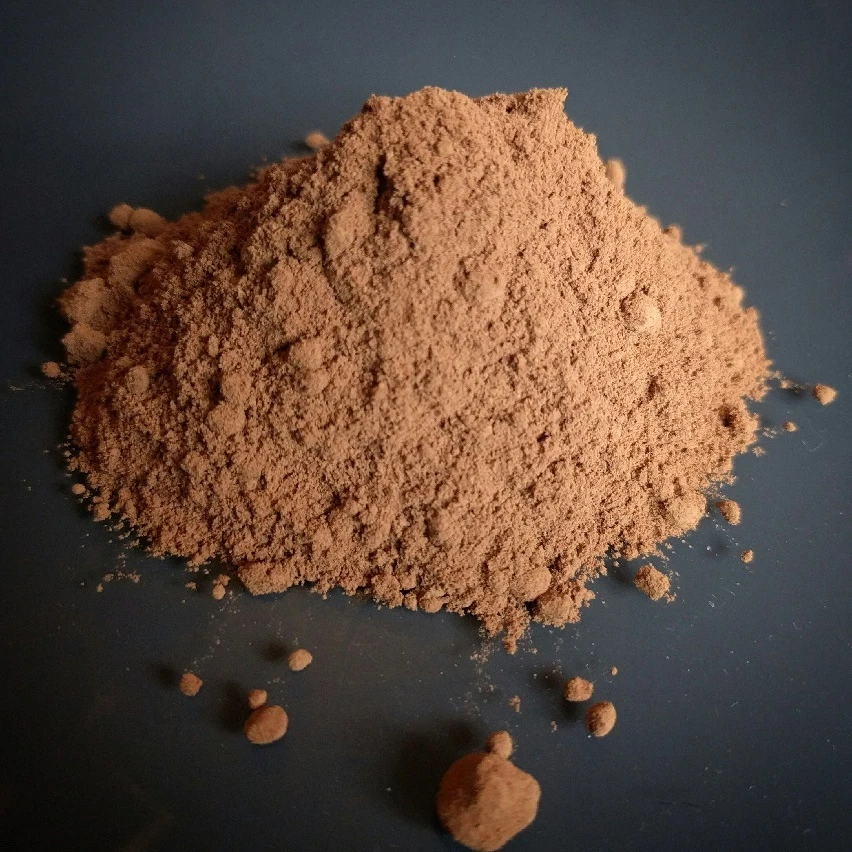
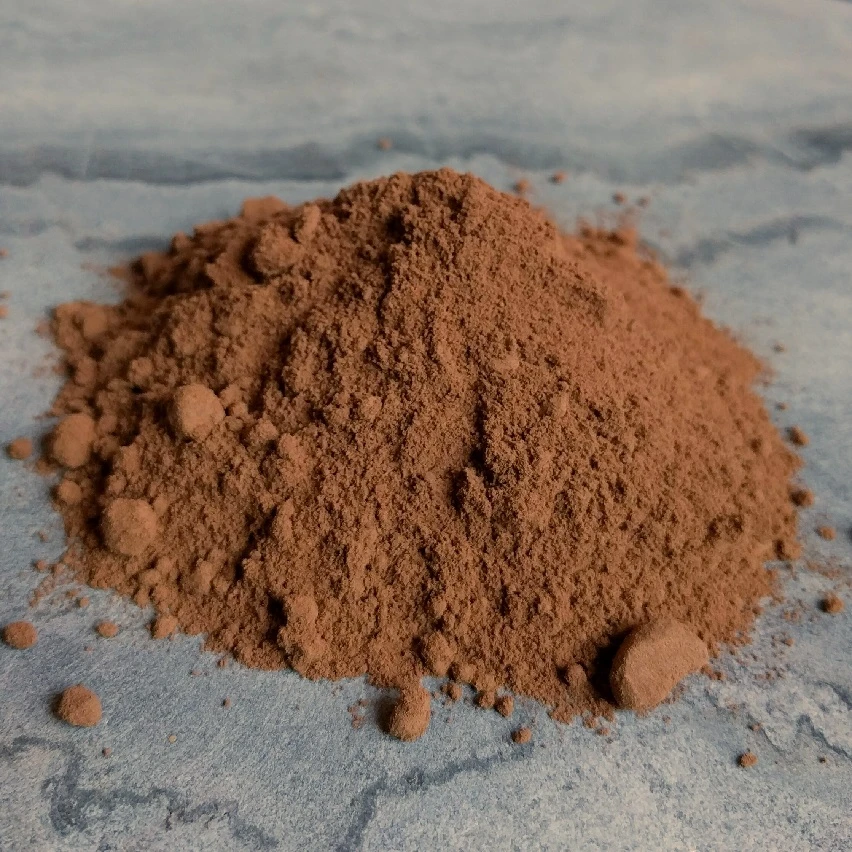
Color is one of the most visible characteristics of Antioque Caoba – 10/12 Dutched (alkalized) Cacao Powder.
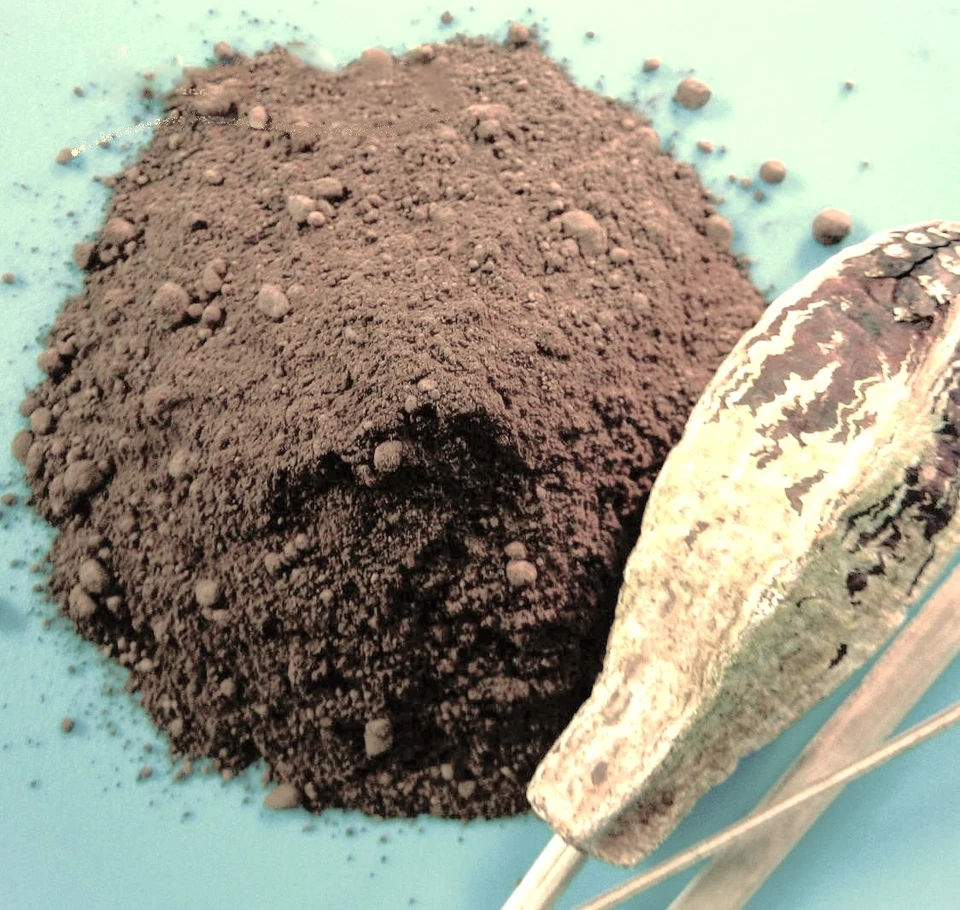
Alkalization can deepen the color of cacao powder, potentially producing shades ranging from reddish brown through dark brown depending on the degree of treatment.
This darker appearance can be particularly desirable in chocolate cakes, brownies, cookies, biscuits, dessert mixes, beverages, sauces, and other products where manufacturers want a pronounced chocolate appearance.
For commercial production, color should be evaluated according to the supplier’s specified color system or standard, since visual descriptions alone can be subjective.
Antioque Caoba – 10/12 Dutched (alkalized) Cacao Powder Flavor Profile
The flavor profile of Antioque Caoba – 10/12 Dutched (alkalized) Cacao Powder can be influenced by cacao origin, fermentation, roasting, alkalization, and storage.
Dutched processing generally reduces some of the acidity associated with natural cacao powder. The result can be a smoother and more rounded chocolate flavor that works particularly well in products where sharp acidity is not desired.
The exact flavor character should be evaluated through sensory testing. Depending on the cacao and processing, the powder may contribute roasted, chocolate-like, nutty, caramel-like, or other sensory characteristics.
For premium food manufacturers, sample evaluation is recommended before selecting the powder for a major product line.
Antioque Caoba – 10/12 Dutched (alkalized) Cacao Powder for Baking
One of the most important applications for Antioque Caoba – 10/12 Dutched (alkalized) Cacao Powder is baking.
Cacao powder can be incorporated into cakes, brownies, cookies, biscuits, muffins, pastries, and dessert mixes.
The dark color of alkalized cacao can create visually rich chocolate baked goods, while its modified acidity can contribute to a smoother flavor profile.
However, manufacturers should pay attention to leavening systems. Natural cacao powder is acidic and can react with alkaline leaveners such as baking soda, whereas Dutched cacao has reduced acidity. Recipes developed specifically for natural cacao may therefore require adjustment when using alkalized cacao powder.
Commercial bakeries should test the ingredient under actual production conditions.
Antioque Caoba – 10/12 Dutched (alkalized) Cacao Powder for Cakes
Antioque Caoba – 10/12 Dutched (alkalized) Cacao Powder can be particularly useful in chocolate cake formulations.
Its color and flavor can contribute to a deeper chocolate appearance and a rounded cacao profile.
It can be combined with flour, sugar, eggs or egg alternatives, fats, dairy or plant-based ingredients, and suitable leavening systems.
The final result depends on the complete recipe, baking temperature, moisture level, mixing process, and other variables.
For large-scale manufacturing, recipe trials should be performed to determine the optimal inclusion rate and leavening balance.
Antioque Caoba – 10/12 Dutched (alkalized) Cacao Powder for Brownies
Brownies are another natural application for Antioque Caoba – 10/12 Dutched (alkalized) Cacao Powder.
Cacao powder can provide chocolate flavor and contribute to the characteristic dark appearance associated with many brownie recipes.
A 10/12 powder can also contribute cacao-derived fat to the formulation, although the final texture depends on the total fat content and the relationship between cocoa solids, butter or oils, sugar, flour, and other ingredients.
For commercial brownie production, manufacturers can conduct trials to establish the desired balance between chocolate intensity, moisture, density, and texture.
Antioque Caoba – 10/12 Dutched (alkalized) Cacao Powder for Cookies
Antioque Caoba – 10/12 Dutched (alkalized) Cacao Powder can be incorporated into chocolate cookies and biscuits.
It can provide a rich brown color and chocolate flavor while working with ingredients such as wheat flour, sugar, fats, chocolate chips, nuts, spices, and flavorings.
Its relatively moderate fat specification can also make it suitable for formulations where manufacturers need cacao solids without introducing the higher fat content associated with some premium cocoa powders.
As always, the final formulation should be tested for dough consistency, spread, color, flavor, and finished texture.
Antioque Caoba – 10/12 Dutched (alkalized) Cacao Powder for Beverages
Chocolate beverage manufacturers can consider Antioque Caoba – 10/12 Dutched (alkalized) Cacao Powder for hot chocolate, drinking chocolate, cocoa mixes, and other powdered beverage products.
Alkalized cacao powder can offer a smooth flavor and attractive dark color in beverage formulations.
However, dispersibility depends on particle size, fat content, alkalization, formulation, and processing. Manufacturers should conduct dispersion and sedimentation tests when developing commercial beverages.
The powder can be combined with sugar, milk powder, plant-based ingredients, flavorings, and other functional ingredients depending on the desired product.
Antioque Caoba – 10/12 Dutched (alkalized) Cacao Powder for Desserts
Dessert manufacturers can use Antioque Caoba – 10/12 Dutched (alkalized) Cacao Powder in products such as puddings, mousses, custards, ice cream, chocolate sauces, dessert fillings, and powdered dessert mixes.
Its color can enhance the visual appearance of chocolate desserts, while its smoother acidity profile can complement sweet formulations.
For frozen desserts, manufacturers should assess how the powder affects texture, solids content, freezing characteristics, and flavor release.
For sauces and fillings, dispersibility and viscosity should also be tested.
Antioque Caoba – 10/12 Dutched (alkalized) Cacao Powder for Confectionery
Antioque Caoba – 10/12 Dutched (alkalized) Cacao Powder can be used in confectionery applications where a cacao powder is required.
Potential applications include chocolate fillings, fudge, truffle centers, coatings, candy formulations, and decorative dusting.
The powder can provide a concentrated cacao component without adding the same level of fat as cocoa mass or chocolate.
Confectionery manufacturers should determine the appropriate inclusion rate according to the desired flavor, color, texture, and processing behavior.
Antioque Caoba – 10/12 Dutched (alkalized) Cacao Powder for Chocolate Sauces
Chocolate sauces can benefit from the color and flavor characteristics of Antioque Caoba – 10/12 Dutched (alkalized) Cacao Powder.
The powder can be incorporated with sweeteners, water or dairy ingredients, fats, stabilizers, and flavorings to create a smooth chocolate sauce.
Proper mixing is important to minimize clumping and ensure even distribution.
Industrial manufacturers may use specialized mixing and hydration equipment depending on production scale and formulation requirements.
Antioque Caoba – 10/12 Dutched (alkalized) Cacao Powder for Ice Cream
Ice cream and frozen desserts are additional applications for Antioque Caoba – 10/12 Dutched (alkalized) Cacao Powder.
Cacao powder contributes chocolate flavor and color while also increasing the solids content of the formulation.
The powder can be incorporated into dairy or plant-based frozen desserts, chocolate ice cream, gelato-style products, and frozen dessert mixes.
Manufacturers should evaluate the powder’s dispersion, interaction with milk proteins or plant-based ingredients, and influence on viscosity and freezing behavior.
Antioque Caoba – 10/12 Dutched (alkalized) Cacao Powder Solubility and Dispersion
Dispersion is an important consideration when working with Antioque Caoba – 10/12 Dutched (alkalized) Cacao Powder.
Cacao powder does not behave exactly like an instantly soluble beverage powder. Depending on processing and particle characteristics, it may require proper mixing, hydration, or pre-blending.
For beverage applications, manufacturers can evaluate different mixing temperatures, shear rates, and pre-dispersion techniques.
Proper dispersion can help minimize lumps and improve consistency throughout the finished product.
Antioque Caoba – 10/12 Dutched (alkalized) Cacao Powder pH
The pH of Antioque Caoba – 10/12 Dutched (alkalized) Cacao Powder is an important technical parameter.
Alkalization raises the pH relative to natural cacao powder, although the exact value depends on the degree and method of alkalization.
This difference affects flavor, color, and interactions with other ingredients.
Most importantly for baking, pH can influence chemical leavening reactions. Therefore, manufacturers should not simply substitute an alkalized cacao powder for natural cacao powder without evaluating the recipe.
Supplier specifications should provide the relevant pH information.
Antioque Caoba – 10/12 Dutched (alkalized) Cacao Powder Quality
Quality control is essential when sourcing Antioque Caoba – 10/12 Dutched (alkalized) Cacao Powder.
Commercial buyers should consider:
- Cocoa butter content
- pH
- Color
- Moisture
- Particle size
- Flavor
- Aroma
- Microbiological specifications
- Heavy-metal specifications where applicable
- Packaging
- Shelf life
- Batch consistency
- Regulatory documentation
The precise requirements depend on the intended market and application.
A certificate of analysis can help buyers confirm that each batch meets the agreed specification.
Antioque Caoba – 10/12 Dutched (alkalized) Cacao Powder Storage
Proper storage helps protect the quality of Antioque Caoba – 10/12 Dutched (alkalized) Cacao Powder.
Cacao powder should generally be kept in a cool, dry, clean environment away from excessive humidity, direct sunlight, strong odors, pests, and contaminants.
Moisture can cause powder to clump and may negatively affect handling and storage stability.
Packaging should remain properly sealed when the ingredient is not being used.
Commercial facilities should follow the supplier’s recommended storage temperature, humidity, packaging, and shelf-life requirements.
Antioque Caoba – 10/12 Dutched (alkalized) Cacao Powder for Food Manufacturers
Food manufacturers can use Antioque Caoba – 10/12 Dutched (alkalized) Cacao Powder across multiple product categories.
Its commercial versatility makes it relevant to:
- Bakery products
- Chocolate cakes
- Brownies
- Cookies
- Biscuits
- Chocolate beverages
- Dessert mixes
- Ice cream
- Sauces
- Fillings
- Confectionery
- Snack products
This flexibility can make a consistent 10/12 cacao powder useful for manufacturers producing several chocolate-flavored product lines.
Antioque Caoba – 10/12 Dutched (alkalized) Cacao Powder for Premium Brands
Premium food brands can use Antioque Caoba – 10/12 Dutched (alkalized) Cacao Powder as part of an ingredient strategy focused on cacao character, processing performance, and product consistency.
For brands emphasizing Colombian or regional provenance, origin claims should be supported by appropriate supplier documentation and traceability records.
The product’s Dutched processing can also be incorporated into a technical product story explaining how alkalization contributes to color and flavor.
Clear, accurate communication can help customers understand the role of the ingredient without relying on unsupported claims.
Antioque Caoba – 10/12 Dutched (alkalized) Cacao Powder Product Development
Successful product development with Antioque Caoba – 10/12 Dutched (alkalized) Cacao Powder begins with sample testing.
Manufacturers can compare different inclusion levels to determine the ideal balance of chocolate flavor and color.
For baking, recipe developers should examine leavening reactions. For beverages, they should test dispersion and sedimentation. For desserts, they should assess texture, flavor release, and stability.
Pilot production provides valuable information before scaling to commercial volumes.
Antioque Caoba – 10/12 Dutched (alkalized) Cacao Powder Buying Guide
When purchasing Antioque Caoba – 10/12 Dutched (alkalized) Cacao Powder, buyers should request a current technical specification.
Important information can include:
- Fat content: Confirm the 10/12 specification and exact analytical range.
- pH: Determine the degree of alkalization.
- Color: Request the supplier’s color specification.
- Origin: Verify the actual cacao-growing and processing origin.
- Processing: Confirm alkalization and any additional processing.
- Microbiology: Review applicable food-safety specifications.
- Packaging: Consider bag size and protection from humidity.
- Shelf life: Confirm storage requirements and expiry information.
- Samples: Test the ingredient in the intended application.
This information allows manufacturers to make a more informed purchasing decision.
Antioque Caoba – 10/12 Dutched (alkalized) Cacao Powder Commercial Applications
The versatility of Antioque Caoba – 10/12 Dutched (alkalized) Cacao Powder makes it suitable for a broad range of commercial food applications.
Its 10/12 fat specification can provide a balance between cacao solids and cacao-derived fat, while alkalization can support darker color and a smoother flavor profile.
For businesses producing chocolate-flavored foods, this combination can be valuable in recipe development.
The ingredient can be incorporated into both dry mixes and wet formulations, provided that processing conditions are optimized for the specific product. https://oilscenter.com/
Antioque Caoba – 10/12 Dutched (alkalized) Cacao Powder Final Thoughts
Antioque Caoba – 10/12 Dutched (alkalized) Cacao Powder is a versatile cacao ingredient designed for manufacturers and food professionals seeking a Dutched cacao powder with an approximately 10–12% cocoa butter specification.
Its alkalized processing can contribute to a darker appearance and smoother flavor profile, making it particularly useful in chocolate cakes, brownies, cookies, beverages, desserts, confectionery, sauces, and other specialty food products.
For commercial buyers, however, the product name should be considered a starting point rather than a complete technical specification. Exact origin, pH, color, cocoa butter content, processing method, microbiological characteristics, packaging, and certification should be confirmed with the supplier.
Careful sample evaluation and pilot testing can help manufacturers determine how Antioque Caoba – 10/12 Dutched (alkalized) Cacao Powder performs in their specific recipes and production systems. Contact
With appropriate formulation, quality control, storage, and technical documentation, this cacao powder can serve as a practical ingredient for creating visually rich, chocolate-forward foods across bakery, beverage, dessert, confectionery, and specialty food markets.

Reviews
There are no reviews yet.