Organic Cacao Nibs
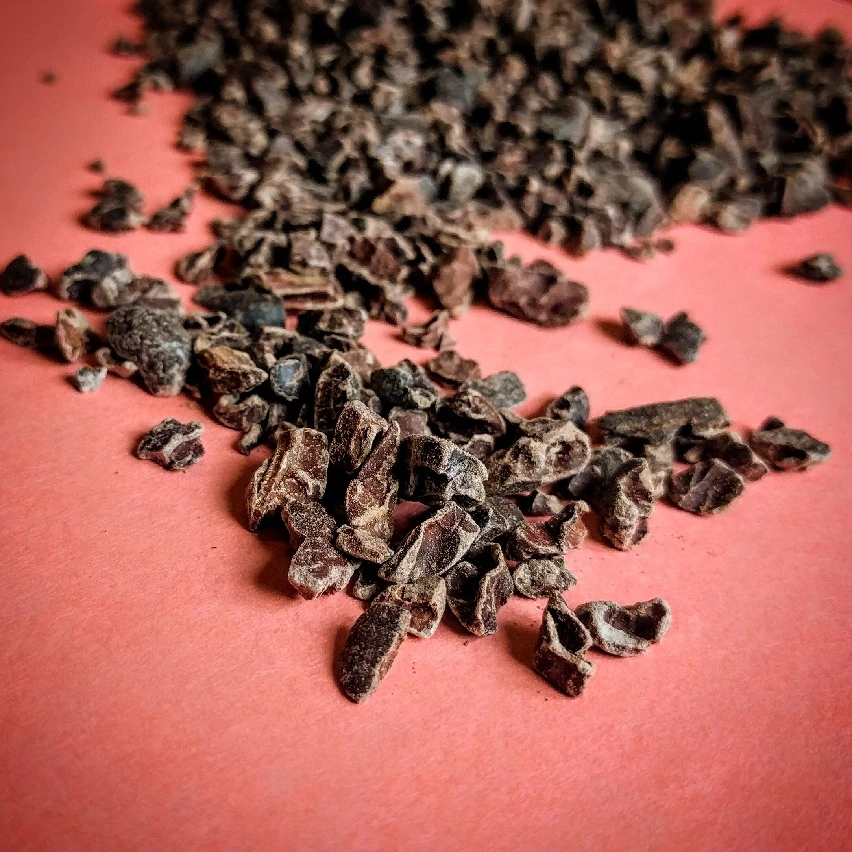
Organic Cacao Nibs are a versatile cacao ingredient made from roasted or unroasted cacao beans that have been cracked and separated from their shells. Known for their naturally intense cocoa character and satisfying texture, cacao nibs are increasingly used by chocolate makers, food manufacturers, bakers, chefs, wellness-focused brands and consumers looking for minimally processed cacao ingredients. Organic Cacao Nibs
For commercial food businesses, Organic Cacao Nibs offer an attractive way to introduce authentic cacao flavour into a wide range of products. They can be incorporated into chocolate, granola, bakery products, desserts, smoothies, snack mixes and specialty foods.
The growing interest in organic ingredients has also increased demand for cacao products produced according to recognized organic standards. When appropriately certified and sourced, organic cacao nibs can provide businesses with an ingredient that aligns with product formulations focused on organic agriculture and https://cocoasupply.com/ transparent sourcing.
Whether you are developing premium chocolate products, creating functional food recipes or sourcing ingredients for a commercial food-production line, Organic Cacao Nibs provide a flexible cacao solution with strong culinary and commercial potential.
Organic Cacao Nibs What Are They?
Organic Cacao Nibs are small pieces of cacao beans produced after the beans are cleaned, cracked and separated from their outer shells.
The nib is the edible portion of the cacao bean. Unlike highly processed cocoa ingredients, cacao nibs retain much of the bean’s natural structure, making them useful in recipes where a concentrated cacao flavour and crunchy texture are desirable.
Depending on the production method, nibs may be sold raw, lightly processed or roasted. Roasting can develop deeper chocolate aromas and flavours, while minimally processed nibs may provide a more intense and naturally bitter cacao character.
For businesses, the choice between different types of nibs depends on the intended application, flavour profile and manufacturing process.
Organic Cacao Nibs Production
The production of Organic Cacao Nibs begins with cacao beans sourced from farms operating under applicable organic production standards.
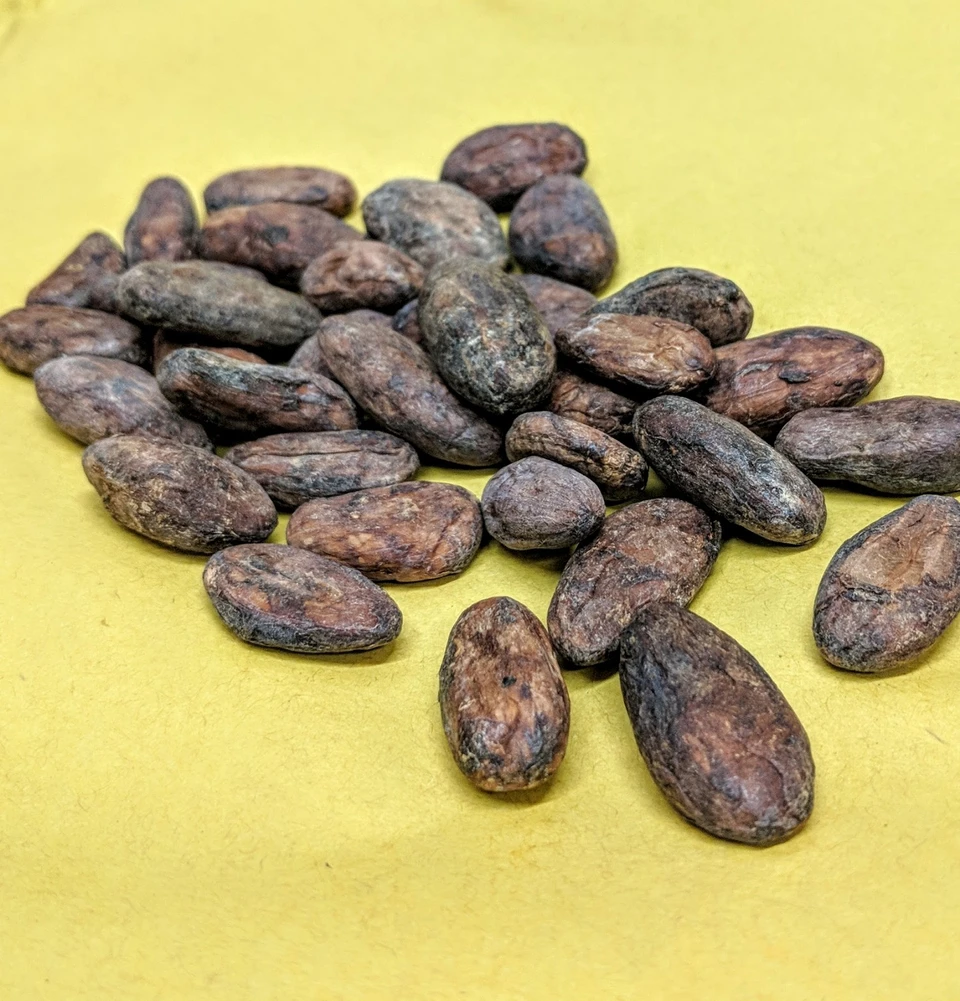
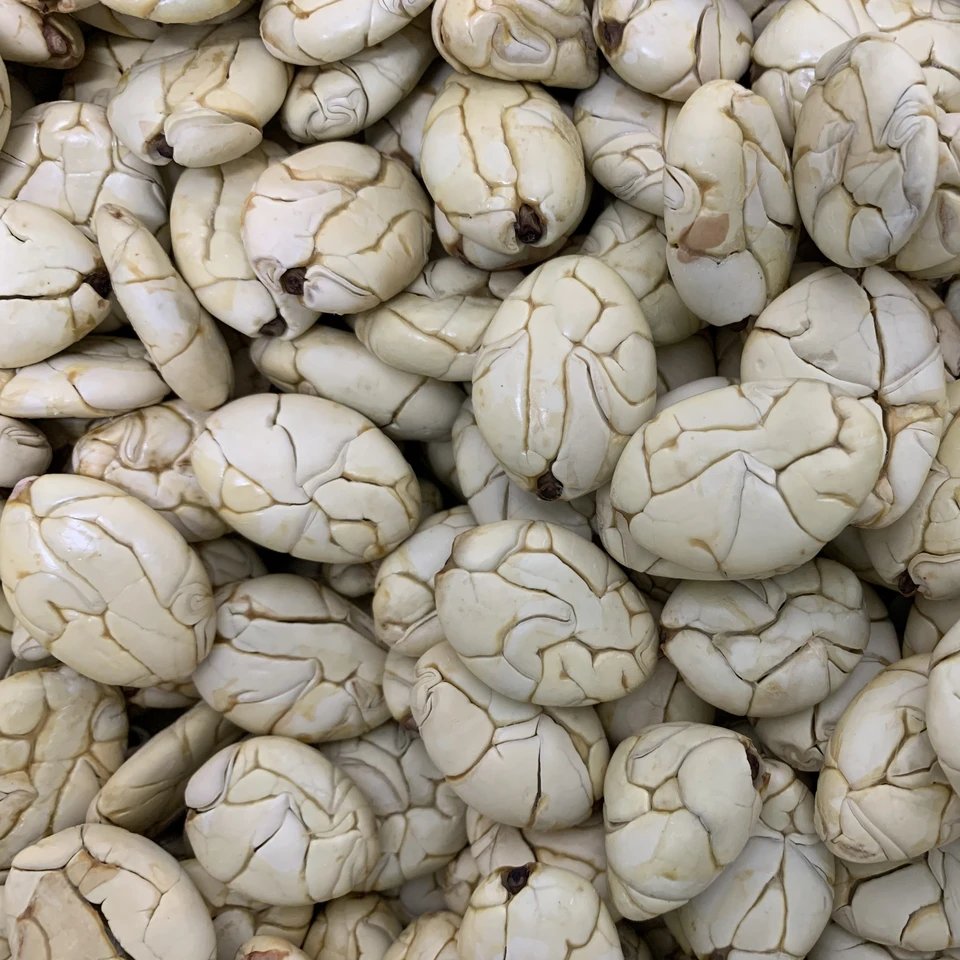
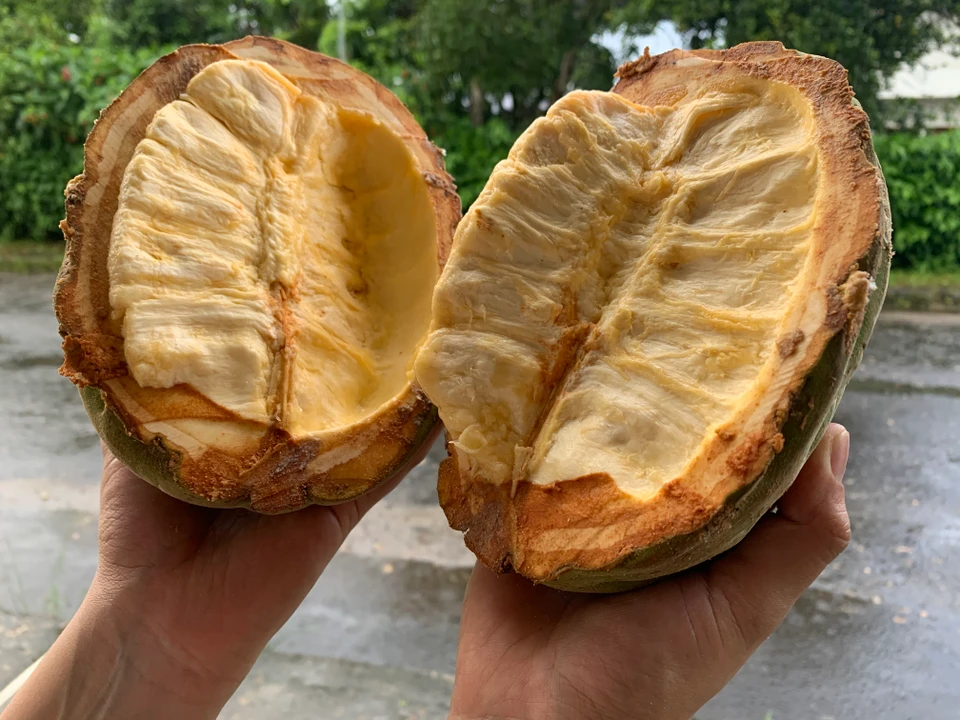
After harvesting, cacao pods are opened and the beans are removed. The beans typically undergo fermentation and drying before being transported for further processing.
At the processing stage, the beans are cleaned and cracked. Their outer shells are separated, leaving the cacao nibs.
Depending on the desired product, the nibs may then be roasted, packaged and prepared for commercial distribution.
Each production stage can influence the flavour, aroma, texture and overall quality of the finished nibs.
Organic Cacao Nibs Organic Certification
For commercial buyers, organic certification is an important consideration when purchasing Organic Cacao Nibs.
The term “organic” can have specific regulatory meanings depending on the country and certification system involved. Businesses should therefore verify that products marketed as organic carry the appropriate certification or documentation for the intended market.
Organic agricultural systems generally restrict or regulate the use of certain synthetic agricultural inputs and place requirements on farming and processing practices.
Certification can provide businesses with additional information about how the ingredient was produced and processed.
When sourcing organic cacao nibs commercially, buyers should request relevant certification details and confirm that the certification applies to the specific product being purchased.
Organic Cacao Nibs Flavor Profile
One of the most appealing characteristics of Organic Cacao Nibs is their distinctive flavour.
Cacao nibs typically have an intense cocoa taste that can range from deeply chocolatey and nutty to fruity, earthy, roasted or slightly acidic depending on the cacao origin and processing method.
Unlike sweetened chocolate, cacao nibs generally have little or no added sugar. Their natural bitterness makes them particularly useful for recipes where a concentrated cacao character is desired.
Roasting can create additional aromatic complexity and bring out deeper roasted and chocolate-like notes.
For commercial food developers, this makes cacao nibs a useful ingredient for adding authentic cocoa character without introducing the sweetness associated with conventional chocolate products.
Organic Cacao Nibs Texture
The texture of Organic Cacao Nibs is another major advantage.
Cacao nibs provide a naturally crunchy texture that can add contrast to soft, creamy or chewy foods.
They can be sprinkled over yoghurt, incorporated into granola, mixed into baked goods or used as a topping for desserts.
Chocolate makers can also use nibs as an inclusion in chocolate bars, providing consumers with additional texture alongside the smoothness of the chocolate.
The size of the nib pieces can influence their texture and application. Smaller nibs can distribute more evenly through a recipe, while larger pieces can provide a more noticeable crunch.
Organic Cacao Nibs for Chocolate Making
Organic Cacao Nibs are a valuable ingredient for chocolate makers.
They can be used as an inclusion in chocolate bars, truffles, confectionery and other cacao-based products.
A chocolate manufacturer may combine cacao nibs with dark chocolate to intensify the cocoa character and introduce additional texture.
Nibs can also be paired with ingredients such as nuts, dried fruit, sea salt, spices or coffee.
For organic chocolate brands, certified organic cacao nibs can complement broader organic product formulations.
This makes nibs useful for both artisan chocolatiers and larger manufacturers developing premium chocolate products.
Organic Cacao Nibs for Baking
Bakers can use Organic Cacao Nibs in a wide variety of recipes.
They can be incorporated into:
- Cookies
- Brownies
- Cakes
- Muffins
- Bread
- Granola
- Energy bars
- Biscuits
- Pastries
Unlike conventional chocolate chips, cacao nibs provide a concentrated cacao flavour without necessarily adding significant sweetness.
This allows bakers to create products with a more pronounced cocoa character while controlling the overall sugar content of the recipe.
Nibs can also be sprinkled on top of baked goods before serving to provide a visually appealing finish and additional texture.
Organic Cacao Nibs for Granola
Organic Cacao Nibs can be an excellent addition to granola and breakfast products.
Their crunchy texture complements ingredients such as oats, seeds, nuts and dried fruit.
Food manufacturers can incorporate nibs into commercial granola blends or use them as a premium topping.
The cacao ingredient can also help differentiate a product from conventional breakfast products by providing a recognisable cocoa component.
For organic food brands, appropriately certified cacao nibs can complement organic oats, nuts, seeds and other ingredients.
Organic Cacao Nibs for Smoothies
The versatility of Organic Cacao Nibs extends to beverages and smoothies.
Nibs can be blended into smoothies or used as a topping, depending on the desired texture.
They can complement ingredients such as bananas, berries, nut butters, oats and plant-based beverages.
Because cacao nibs have a strong flavour, relatively small quantities can contribute noticeable cacao character to a recipe.
For food businesses developing smoothie mixes or café recipes, nibs can provide a distinctive ingredient that supports premium positioning.
Organic Cacao Nibs for Desserts
Dessert manufacturers and chefs can incorporate Organic Cacao Nibs into a wide range of sweet creations.
They can be used as toppings for ice cream, puddings, yoghurt, cakes and mousse.
They can also be incorporated into chocolate-based desserts to create additional texture and depth.
The contrast between creamy desserts and crunchy cacao nibs can create an appealing eating experience.
For premium restaurants, bakeries and dessert brands, nibs can provide a simple way to add visual interest and authentic cacao character.
Organic Cacao Nibs for Snacks
Organic Cacao Nibs can be incorporated into snack products such as trail mixes, granola bars, nut blends and specialty snack clusters.
Their intense flavour means they can be combined with sweeter ingredients to create a balanced product.
Food manufacturers can pair cacao nibs with almonds, cashews, coconut, seeds, dried fruit or other ingredients to create differentiated snack formulations.
For organic snack brands, certified organic cacao nibs can contribute to an ingredient list aligned with organic product positioning.
Organic Cacao Nibs Nutritional Profile
Cacao nibs naturally contain a range of nutrients and plant compounds. They provide dietary fibre and minerals, and cacao contains naturally occurring compounds such as flavanols and other polyphenols.
However, the nutritional profile can vary depending on the cacao variety, processing method and serving size.
Businesses should use verified laboratory or supplier nutritional data when making nutrition claims on commercial packaging.
It is also important to distinguish between naturally occurring nutrients and specific health claims. Food businesses should ensure that any nutritional or health-related statements comply with the regulations applicable to their target market.
Organic Cacao Nibs and Dietary Fibre
Organic Cacao Nibs can contribute dietary fibre to food formulations.
Fibre is naturally present in cacao solids, although the amount available in a finished product depends on the quantity of nibs used and the overall recipe.
This can make nibs a useful ingredient in products where manufacturers want to include naturally occurring fibre alongside other whole-food ingredients.
When marketing a product, businesses should rely on verified nutritional analysis rather than making assumptions based solely on general cacao information.
Organic Cacao Nibs for Food Manufacturers
Food manufacturers can incorporate Organic Cacao Nibs into both new and established product lines.
Their versatility makes them suitable for applications ranging from confectionery and bakery products to breakfast foods and snacks.
Manufacturers can purchase nibs in different quantities and formats depending on production requirements.
Important commercial considerations include particle size, roast level, moisture, flavour, packaging, shelf life, organic certification and microbiological specifications.
Consistent ingredient quality is particularly important for manufacturers producing products at scale.
Organic Cacao Nibs Quality
Quality is an important consideration when sourcing Organic Cacao Nibs.
Commercial buyers should evaluate:
- Cacao origin
- Organic certification
- Aroma
- Flavour
- Particle size
- Moisture content
- Roast level
- Foreign material
- Microbiological specifications
- Packaging
- Shelf life
- Traceability
A representative sample can help manufacturers evaluate the nibs before placing a larger order.
Sensory testing is particularly useful because cacao flavour can vary significantly according to origin and processing.
Organic Cacao Nibs Traceability
Traceability can provide additional value when sourcing Organic Cacao Nibs.
Information about cacao origin, producer groups, harvest period and processing can help businesses understand the supply chain behind their ingredient.
For specialty and premium food brands, this information can also become part of product storytelling.
Customers may appreciate learning about the cacao’s origin and the processes used to transform cacao beans into nibs.
Transparent sourcing can therefore support both quality management and commercial marketing.
Organic Cacao Nibs Sustainability
Sustainability is increasingly important within the cacao industry.
Businesses purchasing Organic Cacao Nibs may wish to evaluate environmental and social practices throughout the supply chain.
Organic farming systems can be one component of a broader sustainability strategy, but organic certification alone does not necessarily address every environmental or social issue associated with cacao production.
Buyers can therefore consider additional factors such as producer relationships, agricultural practices, supply-chain transparency, packaging and transportation.
Responsible sourcing can help businesses develop more transparent and credible cacao products.
Organic Cacao Nibs Storage
Proper storage is essential for maintaining the quality of Organic Cacao Nibs.
Nibs should generally be kept in clean, dry and well-sealed packaging and protected from excessive moisture, heat, pests and strong odours.
Because cacao products can absorb surrounding aromas, storage near strongly scented materials should be avoided.
Commercial manufacturers should follow the supplier’s recommended storage conditions and monitor inventory carefully.
Appropriate storage can help preserve the nibs’ aroma, flavour and texture throughout their intended shelf life.
Organic Cacao Nibs for Premium Food Products
Organic Cacao Nibs can help premium food brands differentiate their products.
Their recognisable cacao identity and crunchy texture make them attractive for products positioned around natural ingredients, specialty cacao and gourmet food.
They can be used in premium granola, artisan chocolate, gourmet bakery products, specialty snacks and desserts.
For brands targeting consumers interested in organic ingredients, appropriately certified cacao nibs can complement a broader organic formulation.
The ingredient’s visual appearance can also contribute to product presentation, particularly when nibs are used as a topping.
Organic Cacao Nibs for Commercial Product Development
Product developers can experiment with Organic Cacao Nibs across numerous formulations.
A development process may begin with sample testing and sensory evaluation. Developers can then experiment with different inclusion levels to determine the desired flavour and texture.
Roasted and unroasted nibs can produce different sensory results, allowing manufacturers to select the format that best suits their recipe.
Developers should also evaluate how nibs behave during storage and how their flavour and texture interact with other ingredients.
Small-scale testing before commercial production can help identify formulation issues early.
Organic Cacao Nibs Buying Guide
Businesses purchasing Organic Cacao Nibs should consider several factors before selecting a supplier.
Organic certification: Confirm appropriate certification for the target market.
Origin: Ask where the cacao was grown and whether origin information is available.
Processing: Determine whether the nibs are raw, roasted or otherwise processed.
Particle size: Choose a size appropriate for the intended application.
Flavour: Request samples and conduct sensory evaluation.
Quality: Review moisture, microbiological and other applicable specifications.
Packaging: Ensure the packaging protects the product during storage and transport.
Traceability: Request available supply-chain information.
Shelf life: Confirm the recommended shelf life and storage conditions.
Supply capacity: Ensure the supplier can meet ongoing commercial requirements.
These considerations can help manufacturers source cacao nibs that are appropriate for their product-development and production needs.
Organic Cacao Nibs Final Thoughts
Organic Cacao Nibs are a versatile cacao ingredient with applications across chocolate, bakery, snacks, breakfast foods, desserts and specialty food products.
Their concentrated cocoa flavour and naturally crunchy texture make them useful for adding authentic cacao character to both sweet and savoury formulations.
For businesses focused on organic product development, appropriately certified Organic Cacao Nibs can complement other organic ingredients while providing an attractive origin and ingredient story.
Chocolate makers can incorporate them into premium bars and confectionery, bakers can use them in cookies and pastries, and food manufacturers can develop granola, snack and dessert products featuring cacao nibs as a key ingredient.
The quality of the finished nibs depends on factors including cacao genetics, farming, fermentation, drying, roasting, processing and storage. Commercial buyers should therefore evaluate individual products carefully and obtain appropriate specifications and certification documentation.
For food businesses seeking a flexible cacao ingredient with strong culinary potential and a distinctive texture, Organic Cacao Nibs offer a practical and appealing choice for premium product development. Contact

Reviews
There are no reviews yet.