Macambo – Jaguar White Cacao
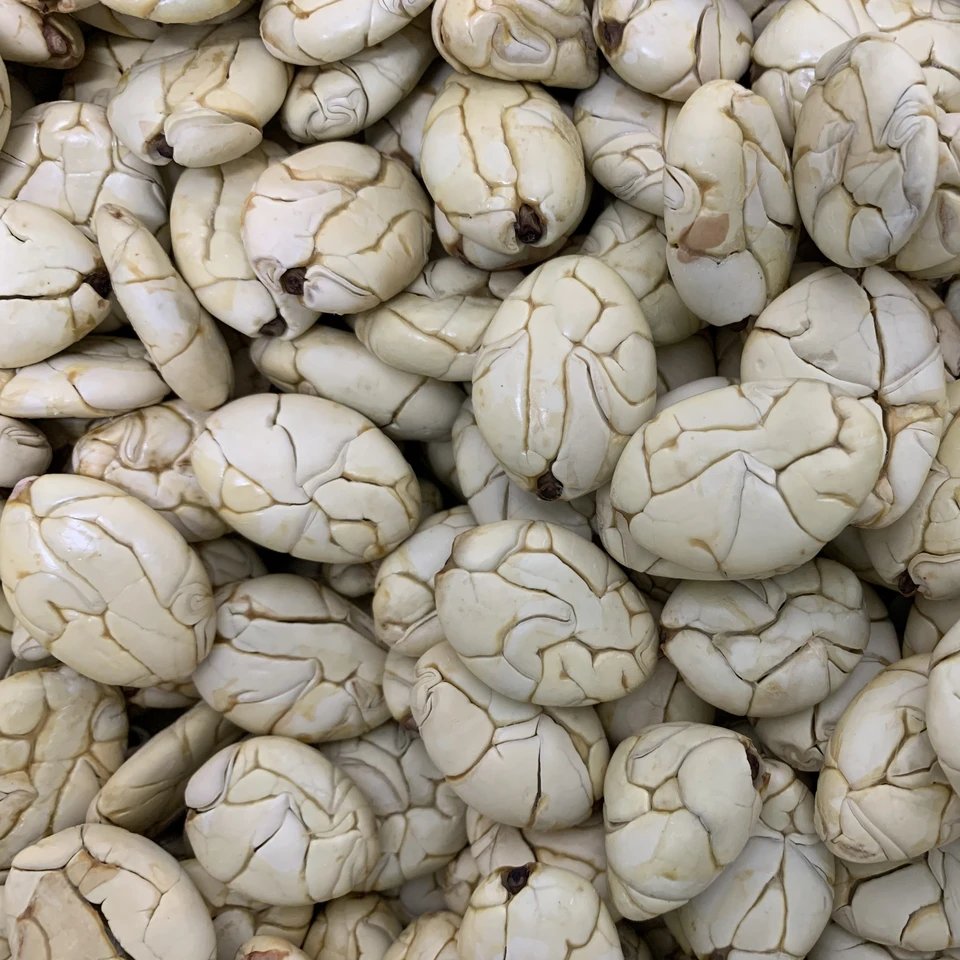
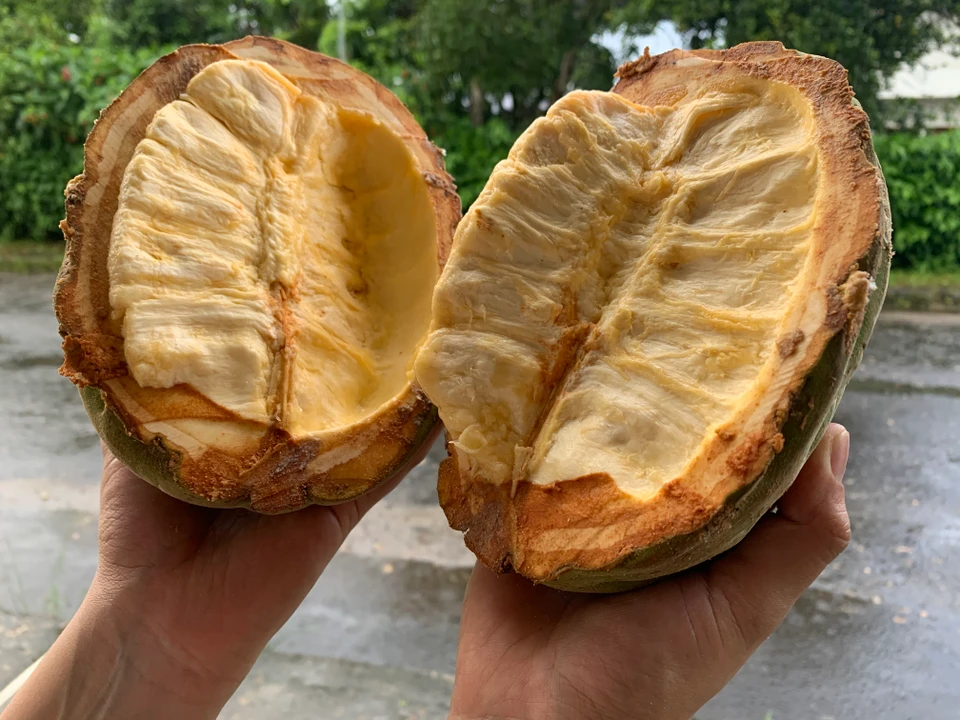
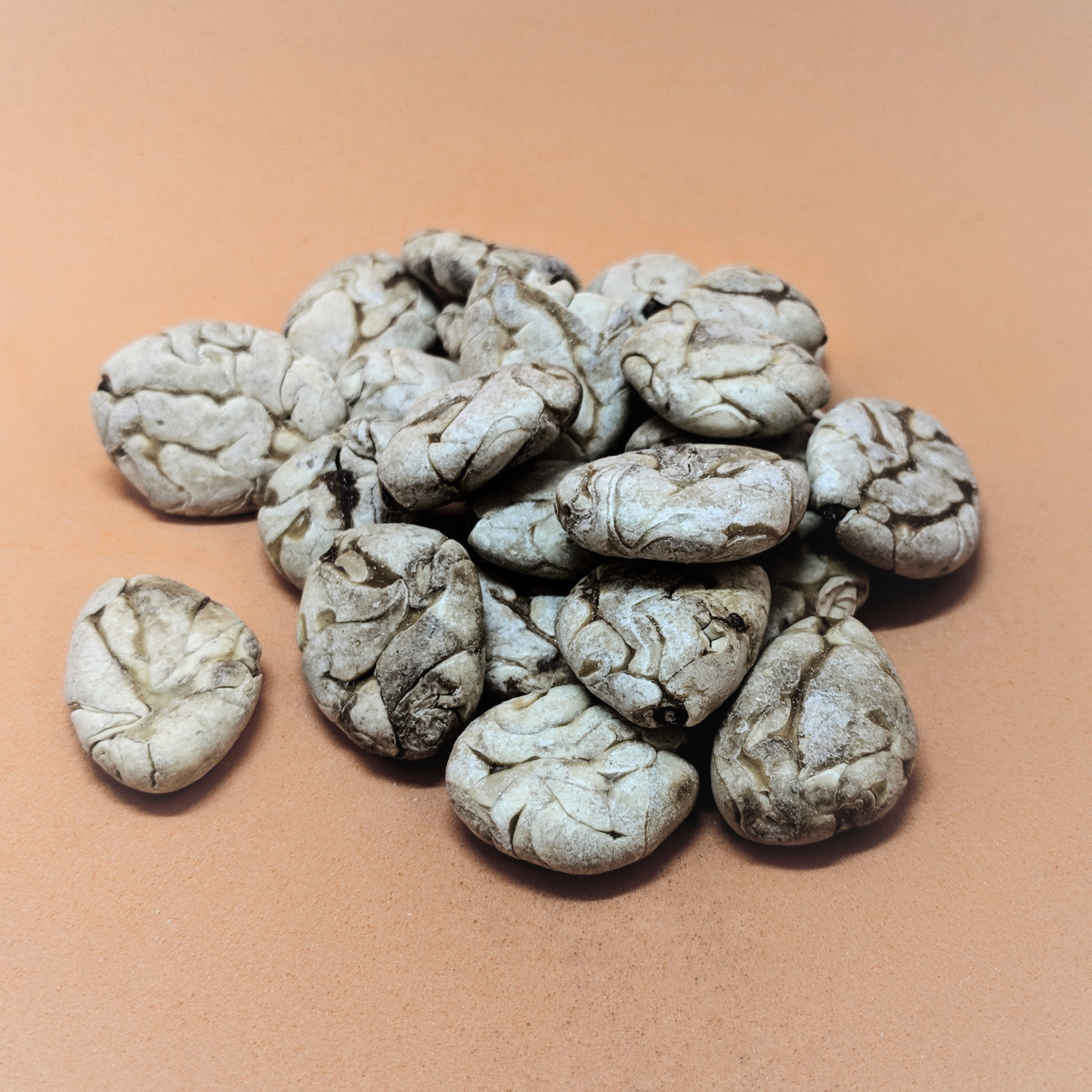
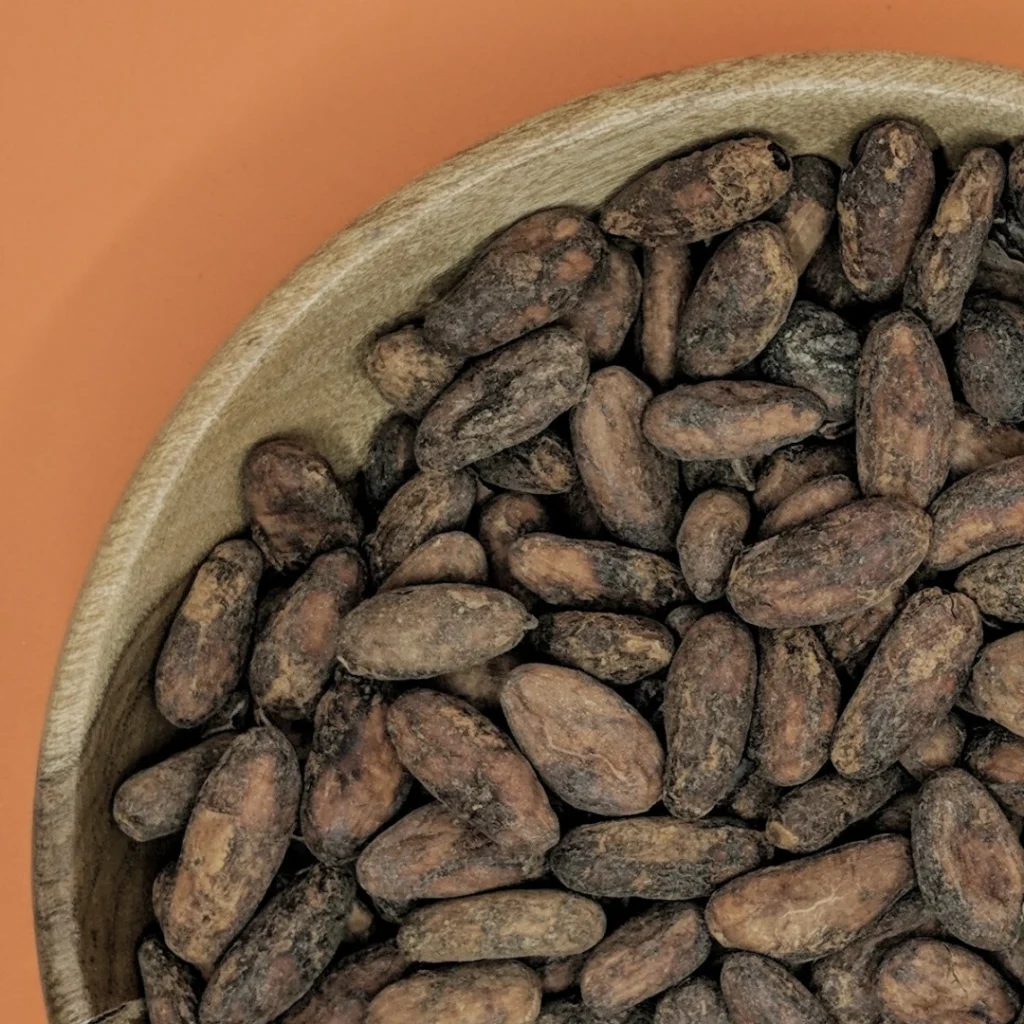
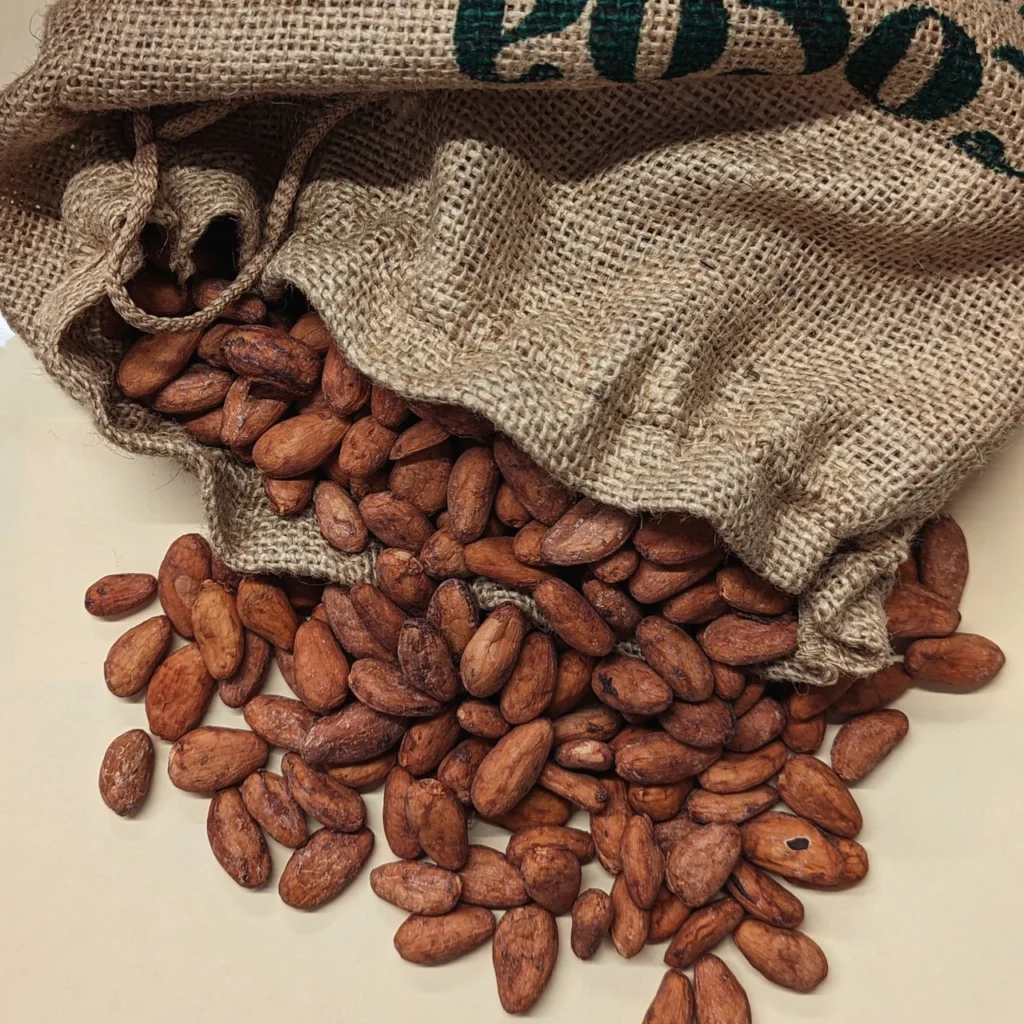
Macambo – Jaguar White Cacao is a distinctive Amazonian ingredient that offers food manufacturers, specialty chocolate makers, chocolatiers, chefs and premium food brands an opportunity to explore an unusual cacao-related product with strong origin appeal. Associated with the Amazonian rainforest and traditional food cultures, macambo has attracted increasing attention among businesses interested in unique ingredients, biodiversity, sustainable sourcing and innovative food development. Macambo – Jaguar White Cacao
Unlike conventional cacao beans used primarily for chocolate production, macambo is valued for its distinctive culinary characteristics and versatility. Its seeds can be processed and incorporated into a variety of food products, offering a nutty and aromatic profile that can complement chocolate, snacks, desserts, spreads and specialty foods.
The Macambo – Jaguar White Cacao name can also provide an attractive foundation for premium product storytelling. For businesses developing distinctive food ranges, Amazonian ingredients can create opportunities to communicate biodiversity, traditional knowledge and origin-focused sourcing.
As with any specialty agricultural ingredient, commercial buyers should verify the precise botanical identity, origin, processing method, certification status and product specifications associated with a particular supplier or lot.
Macambo – Jaguar White Cacao Origin
The origin of Macambo – Jaguar White Cacao is an important part of its appeal. Macambo is associated with the Amazon region, where diverse plant species have traditionally contributed to local food systems.
Macambo is commonly associated with Theobroma bicolor, a relative of the cacao plant. It is sometimes referred to by names such as pataxte or white cacao, although naming conventions can vary between regions and suppliers.
This botanical relationship makes macambo particularly interesting to cacao specialists and food developers.
For specialty ingredient businesses, Amazonian origin can become an important element of product positioning. Consumers increasingly show interest in ingredients connected to specific ecosystems and traditional food cultures.
Macambo – Jaguar White Cacao Botanical Identity
Understanding the botanical identity of Macambo – Jaguar White Cacao is important for commercial sourcing.
Macambo is generally associated with Theobroma bicolor, a species within the same genus as conventional cacao. However, it should not automatically be treated as identical to Theobroma cacao.
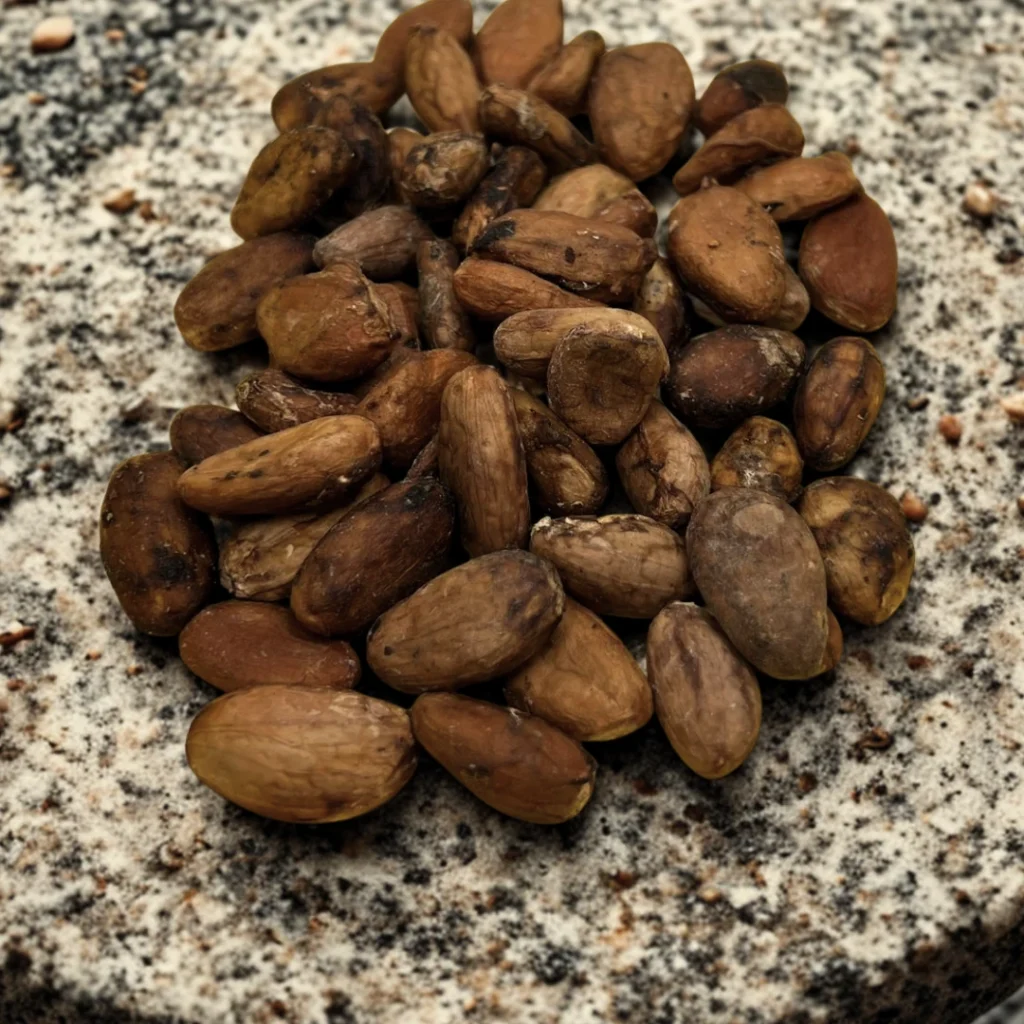
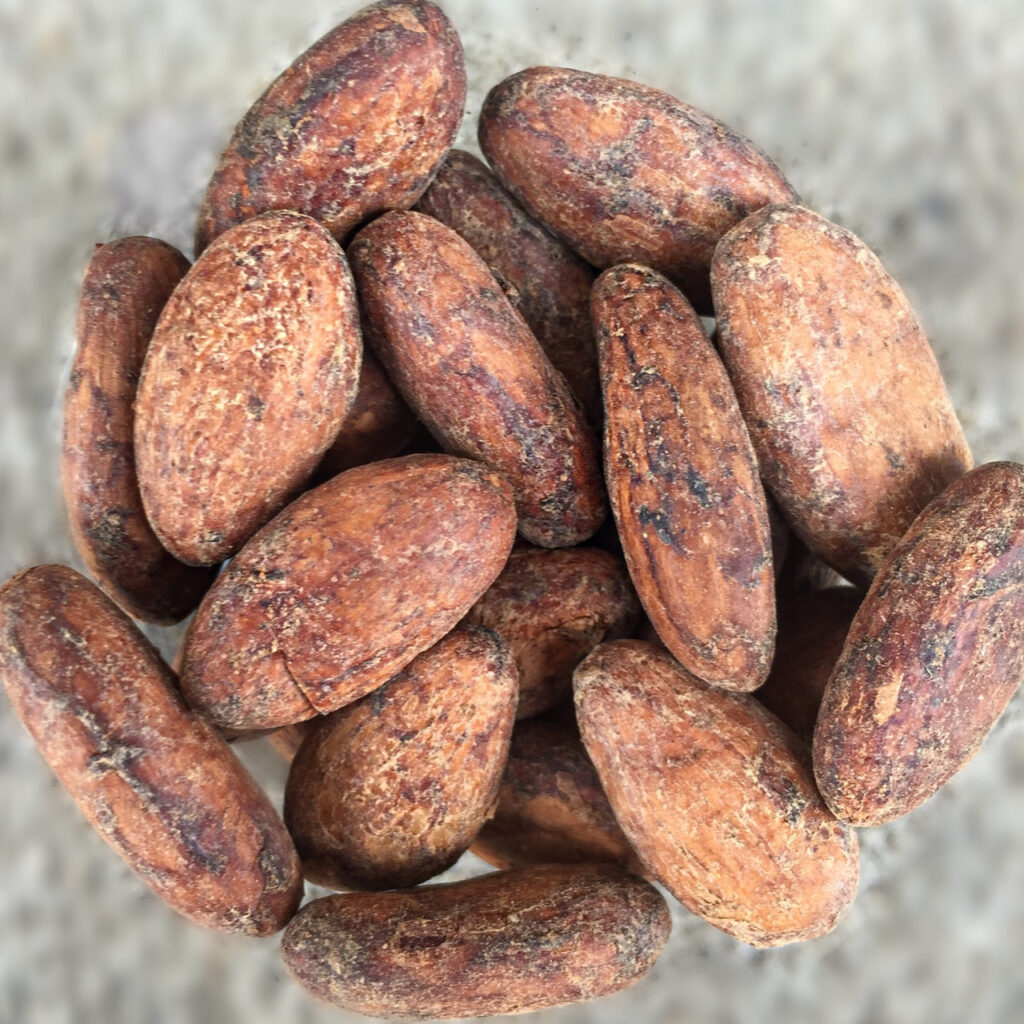
The seeds have different culinary characteristics from conventional cacao beans and are often valued for their distinctive flavour and texture.
For businesses purchasing macambo commercially, suppliers should provide clear product information, including botanical identity, origin, processing method and intended use.
Accurate product identification is particularly important for food manufacturers developing labels, ingredient declarations and marketing materials.
Macambo – Jaguar White Cacao Flavor Profile
One of the most attractive characteristics of Macambo – Jaguar White Cacao is its distinctive flavour.
Macambo seeds are often described as having a nutty, roasted and earthy character. Depending on processing, they may also provide mild chocolate-like or toasted notes.
This flavour profile makes macambo particularly interesting for food developers seeking alternatives to conventional nuts or additional complexity in specialty recipes.
Roasting can significantly influence the final flavour and aroma. A carefully controlled roast may enhance toasted and nutty characteristics while producing a more pronounced aromatic profile.
For commercial product development, sample testing is recommended before selecting a particular macambo lot for large-scale production.
Macambo – Jaguar White Cacao Texture
The texture of Macambo – Jaguar White Cacao adds another dimension to its culinary appeal.
When roasted and processed appropriately, macambo seeds can provide a satisfying crunch similar to certain nuts and seeds.
This makes them suitable for applications where texture is important.
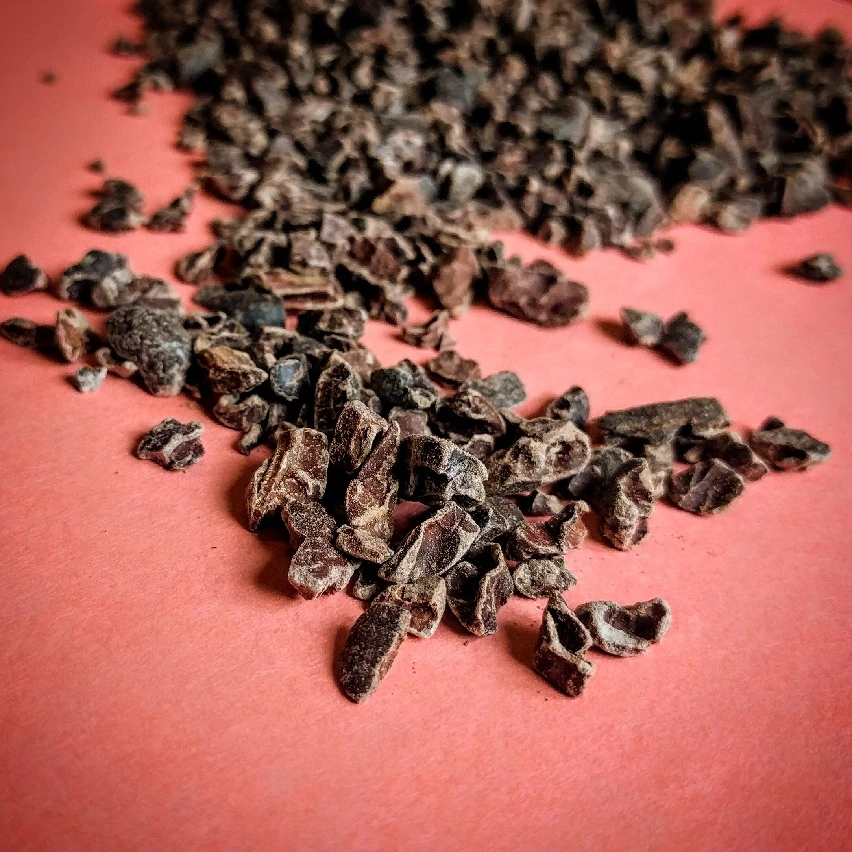
Food manufacturers can use macambo pieces as inclusions in chocolate, snack products, granola and desserts. They can also be ground into other ingredient formats depending on the intended application.
The particle size can be adjusted according to the product. Larger pieces provide more noticeable crunch, while smaller pieces can distribute more evenly through a formulation.
Macambo – Jaguar White Cacao for Chocolate
Although macambo is not conventional cacao, Macambo – Jaguar White Cacao can be an interesting ingredient for chocolate makers.
Roasted macambo pieces can be incorporated into chocolate bars as a crunchy inclusion, providing nutty flavour and textural contrast.
The ingredient can be paired with dark chocolate, milk chocolate or other confectionery formulations depending on the desired flavour profile.
Chocolate makers can also experiment with combinations of macambo, cacao nibs, nuts, dried fruit and spices.
This creates opportunities for innovative chocolate products that combine familiar cacao flavours with a distinctive Amazonian ingredient.
Macambo – Jaguar White Cacao for Specialty Food
The specialty food sector provides numerous opportunities for Macambo – Jaguar White Cacao.
Premium food brands increasingly seek unusual ingredients that can differentiate their products from conventional offerings.
Macambo can be incorporated into gourmet snacks, granola, energy products, desserts, spreads and specialty confectionery.
Its Amazonian origin can also contribute to a strong product story when supported by accurate sourcing information.
For brands focused on ingredient transparency, communicating the botanical identity, geographical origin and processing method can help consumers understand the product.
Macambo – Jaguar White Cacao Roasting
Roasting is an important processing stage for Macambo – Jaguar White Cacao.
Controlled roasting can transform the flavour and aroma of the seeds, bringing forward toasted, nutty and aromatic characteristics.
The appropriate roast profile depends on the intended application. A food manufacturer may prefer one profile for snack products and another for chocolate inclusions.
Commercial producers should conduct controlled trials to establish roasting conditions that deliver consistent flavour and texture.
Consistency is particularly important when macambo is used as a signature ingredient in a branded product.
Macambo – Jaguar White Cacao for Snacks
Macambo – Jaguar White Cacao can be used as a distinctive ingredient in premium snack products.
Roasted seeds can be eaten as a crunchy snack or incorporated into blends with other ingredients.
Potential applications include:
- Trail mixes
- Granola clusters
- Snack bars
- Roasted seed mixes
- Chocolate-coated snacks
- Gourmet nut and seed blends
- Breakfast toppings
The nutty character of macambo can complement dried fruit, coconut, cacao, spices and other seeds.
For specialty snack brands, its unusual origin can also help create a differentiated product story.
Macambo – Jaguar White Cacao for Granola
Granola producers can use Macambo – Jaguar White Cacao to add crunch and distinctive flavour.
Macambo pieces can be combined with oats, seeds, nuts, dried fruit and other ingredients to create premium breakfast blends.
The ingredient can be incorporated into the granola mixture before baking or added after processing, depending on the desired texture and flavour.
Food manufacturers should conduct formulation testing to determine how roasting, baking temperatures and storage affect the macambo pieces.
The result can be a distinctive granola product built around an unusual Amazonian ingredient.
Macambo – Jaguar White Cacao for Desserts
Chefs, pastry makers and dessert manufacturers can experiment with Macambo – Jaguar White Cacao in a wide range of desserts.
Roasted macambo can provide texture and nutty flavour in:
- Ice cream
- Cakes
- Cookies
- Mousses
- Puddings
- Tarts
- Chocolate desserts
- Dessert toppings
Its crunchy character can create an appealing contrast with creamy or soft dessert components.
For premium restaurants and artisan bakeries, macambo can also become a distinctive ingredient for seasonal or signature creations.
Macambo – Jaguar White Cacao for Bakery Products
The versatility of Macambo – Jaguar White Cacao makes it suitable for bakery applications.
Bakers can incorporate roasted macambo pieces into cookies, muffins, breads, cakes and pastries.
The ingredient can provide a nutty flavour while contributing additional texture.
Macambo can also be combined with chocolate, coconut, dried fruit, spices or seeds to develop more complex bakery profiles.
For commercial bakeries, consistent particle size and roasting characteristics are important because they influence how the ingredient behaves during production.
Macambo – Jaguar White Cacao Nutritional Profile
Macambo seeds naturally contain nutrients and plant compounds, although the exact nutritional profile can vary according to cultivation, variety and processing.
The seeds contain fats, protein, fibre and minerals, making them nutritionally interesting as an ingredient.
However, commercial food businesses should rely on laboratory-tested nutritional data when developing nutrition panels or making nutritional claims.
The nutritional characteristics of the final product will also depend on the amount of macambo used and the other ingredients in the formulation.
Brands should ensure that all nutrition and health-related claims comply with applicable food regulations in their target market.
Macambo – Jaguar White Cacao Protein
One of the characteristics that can make Macambo – Jaguar White Cacao interesting to food developers is its naturally occurring protein.
This can be relevant to manufacturers developing plant-based snack products and other foods where seeds and nuts are used as protein-containing ingredients.
However, the actual protein contribution of a finished product depends on formulation and serving size.
Manufacturers should use verified nutritional analysis when determining the protein content of commercial products.
Macambo – Jaguar White Cacao for Plant-Based Products
The growing plant-based food sector provides additional applications for Macambo – Jaguar White Cacao.
Macambo can be incorporated into plant-based snack bars, granola, desserts and confectionery.
Its naturally nutty flavour makes it compatible with ingredients commonly used in plant-based formulations, including coconut, oats, seeds and plant-based chocolate.
For brands looking to develop products around diverse plant ingredients, macambo can provide an unusual alternative to more familiar ingredients.
Macambo – Jaguar White Cacao Sustainability
Sustainability is an important consideration when sourcing Amazonian ingredients.
The commercial potential of Macambo – Jaguar White Cacao can be closely connected to biodiversity and responsible sourcing.
Macambo trees are part of Amazonian agroforestry and food systems in some regions, and responsible sourcing can help support the continued use and economic value of native or locally important species.
However, sustainability claims should be specific and supported by credible information. Businesses should investigate the actual sourcing model behind their macambo product rather than relying solely on general statements about Amazonian ingredients.
Important considerations can include producer relationships, harvesting practices, agroforestry systems, traceability and community participation.
Macambo – Jaguar White Cacao Biodiversity
The connection between Macambo – Jaguar White Cacao and Amazonian biodiversity can provide an important commercial storytelling opportunity.
Food systems based on a wider range of plant species can contribute to agricultural diversity and provide alternatives to highly standardised crops.
For premium food brands, highlighting biodiversity can help communicate why unusual ingredients deserve attention.
However, responsible marketing should avoid exaggerating environmental benefits. Product claims should reflect the actual production system and verified supply-chain information.
Macambo – Jaguar White Cacao Traceability
Traceability is particularly valuable when sourcing Macambo – Jaguar White Cacao.
Buyers may want to understand the geographical origin of the seeds, the producer communities involved, harvesting practices and processing methods.
This information can help businesses assess product quality and build transparent product stories.
For specialty food brands, traceability can become part of packaging and online marketing.
Clear origin information allows customers to understand where their food comes from and how an unusual ingredient reaches the finished product.
Macambo – Jaguar White Cacao Quality
Quality control is essential when purchasing Macambo – Jaguar White Cacao for commercial applications.
Buyers should consider:
- Botanical identity
- Geographic origin
- Seed size
- Moisture content
- Roasting level
- Aroma
- Flavour
- Texture
- Foreign material
- Microbiological specifications
- Packaging
- Shelf life
- Traceability
Sample evaluation can help manufacturers determine whether a particular lot meets their product requirements.
Sensory testing should ideally be performed both before and after incorporation into the intended food formulation.
Macambo – Jaguar White Cacao Storage
Proper storage helps maintain the quality of Macambo – Jaguar White Cacao.
Processed macambo should generally be stored in clean, dry and well-sealed conditions.
Protection from excessive moisture, heat, pests and strong odours is important because seeds can absorb surrounding aromas and may deteriorate under unsuitable storage conditions.
Commercial buyers should follow supplier recommendations regarding temperature, humidity, packaging and shelf life.
Good inventory management can also help businesses maintain consistent quality across production batches.
Macambo – Jaguar White Cacao Product Development
Product developers can use Macambo – Jaguar White Cacao to create distinctive specialty products.
Development may begin with a sample evaluation and controlled roasting test.
The roasted ingredient can then be tested in chocolate, granola, snack bars, bakery products or desserts.
Developers can experiment with particle size, inclusion levels and complementary ingredients.
Chocolate and cacao can provide particularly natural flavour pairings, while ingredients such as coconut, coffee, dried fruit, vanilla and spices can create additional flavour dimensions.
Small-batch testing allows manufacturers to identify the most successful combinations before moving to commercial production.
Macambo – Jaguar White Cacao for Premium Brands
Premium brands can use Macambo – Jaguar White Cacao as a distinctive ingredient within carefully developed product lines.
Its unusual botanical identity and Amazonian association can create a strong point of differentiation.
For example, a premium chocolate brand could incorporate roasted macambo into a specialty chocolate bar. A snack company could develop a macambo-based roasted seed blend, while a gourmet bakery could use the ingredient in cookies or pastries.
The commercial opportunity is strongest when the product story is supported by genuine quality, accurate sourcing and transparent information.
Macambo – Jaguar White Cacao Buying Guide
Businesses sourcing Macambo – Jaguar White Cacao should evaluate the product carefully before making a commercial purchase.
Confirm botanical identity: Verify the species and product description.
Check origin: Request information about the geographical source.
Evaluate processing: Determine whether the seeds are raw, roasted, cracked, ground or otherwise processed.
Request samples: Evaluate aroma, flavour and texture before purchasing larger quantities.
Review quality specifications: Check moisture, foreign material and applicable microbiological standards.
Verify certifications: Confirm organic or other certification claims where applicable.
Review traceability: Ask how far information can be traced through the supply chain.
Confirm packaging: Ensure packaging is appropriate for transportation and storage.
Discuss shelf life: Establish recommended storage conditions and expiry information.
Check supply capacity: Make sure the supplier can provide the volume and consistency required for commercial production.
Macambo – Jaguar White Cacao Commercial Applications
The versatility of Macambo – Jaguar White Cacao creates opportunities across several food categories.
Potential applications include:
- Premium chocolate bars
- Confectionery
- Granola
- Snack mixes
- Energy bars
- Cookies
- Cakes
- Desserts
- Breakfast products
- Gourmet toppings
- Roasted seed products
- Specialty food blends
This broad range of applications makes macambo an interesting ingredient for businesses experimenting with new product concepts.
Macambo – Jaguar White Cacao Final Thoughts
Macambo – Jaguar White Cacao offers food businesses an opportunity to explore a distinctive Amazonian ingredient with a unique botanical identity, nutty flavour and crunchy texture.
Its connection to Theobroma bicolor makes it particularly interesting within the broader world of cacao and specialty ingredients, while its culinary characteristics provide opportunities beyond conventional chocolate production.
Chocolate makers can use roasted macambo as an inclusion, snack manufacturers can incorporate it into premium blends, and bakers and chefs can experiment with the ingredient in desserts and pastries.
The Amazonian origin and biodiversity story https://cocoasupply.com/ can also provide valuable commercial differentiation when supported by accurate traceability and responsible sourcing.
As with any specialty ingredient, quality can vary between suppliers and lots. Businesses should therefore verify botanical identity, origin, processing method, quality specifications, certifications and storage requirements before purchasing.
For food manufacturers and premium brands looking for an unusual ingredient that combines distinctive flavour, texture and origin appeal, Macambo – Jaguar White Cacao provides an exciting foundation for creative product development. Contact



Reviews
There are no reviews yet.