Peruvian Cheni Cacao Beans
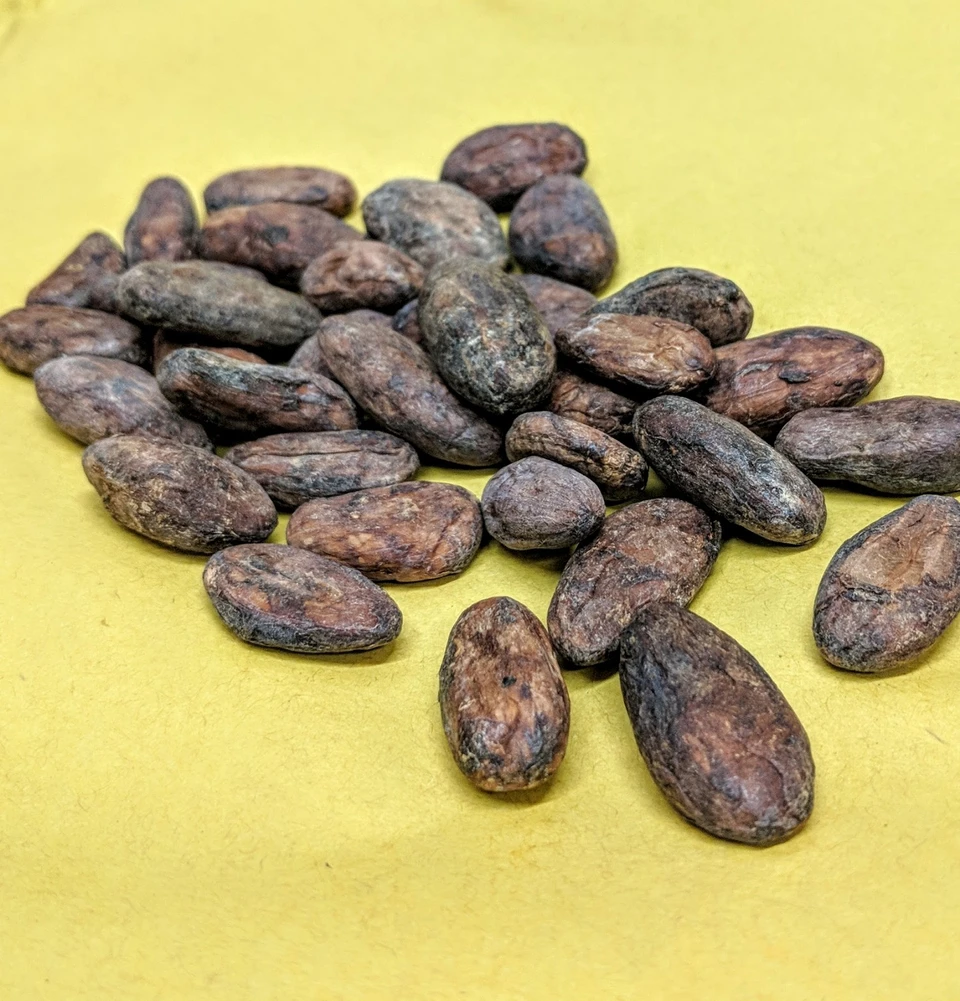
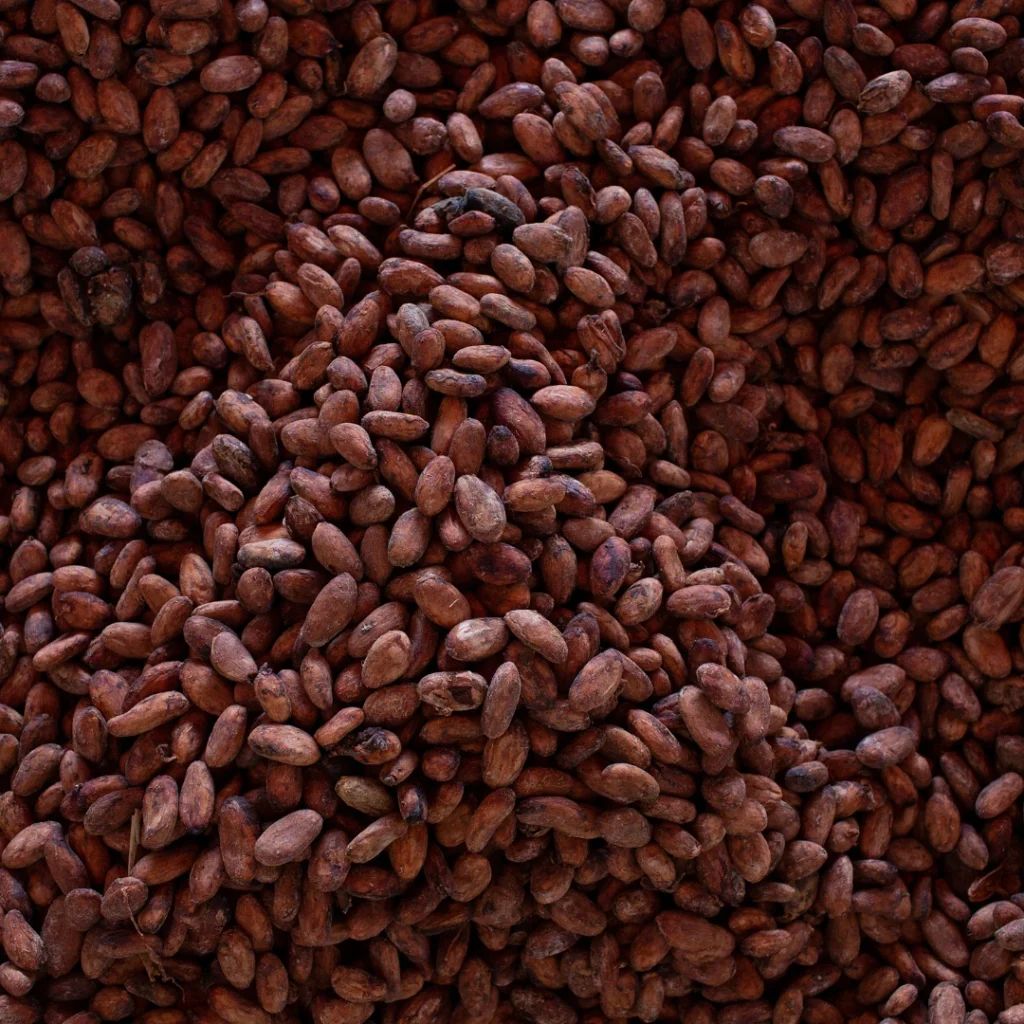
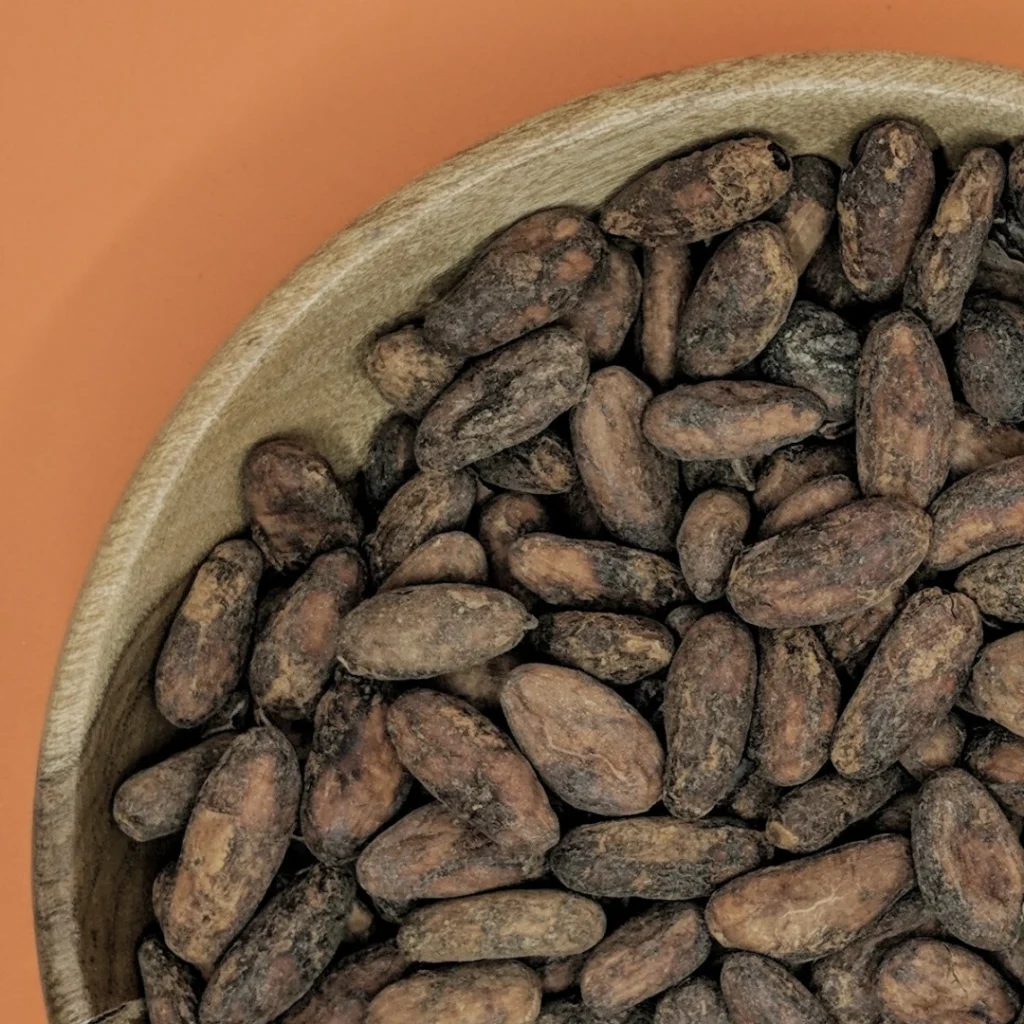
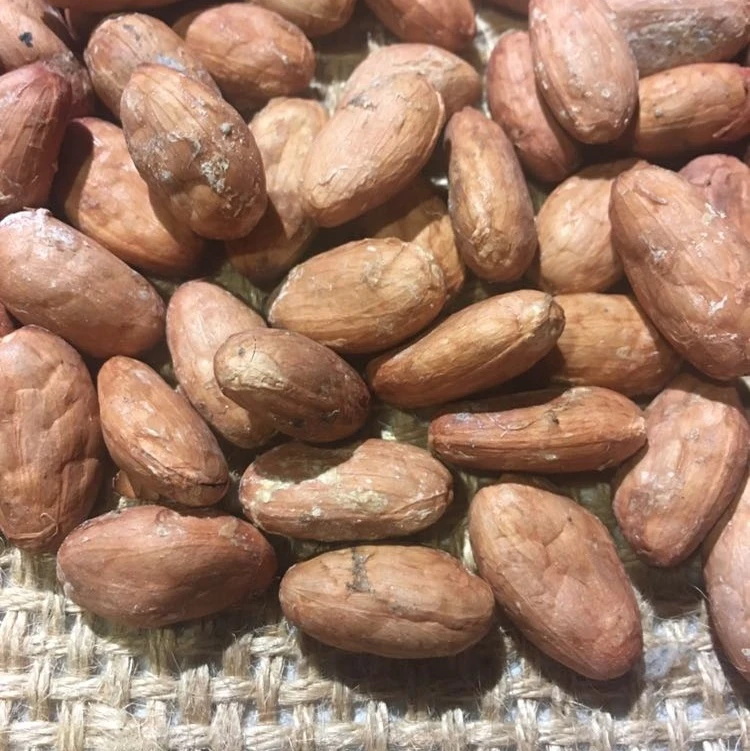
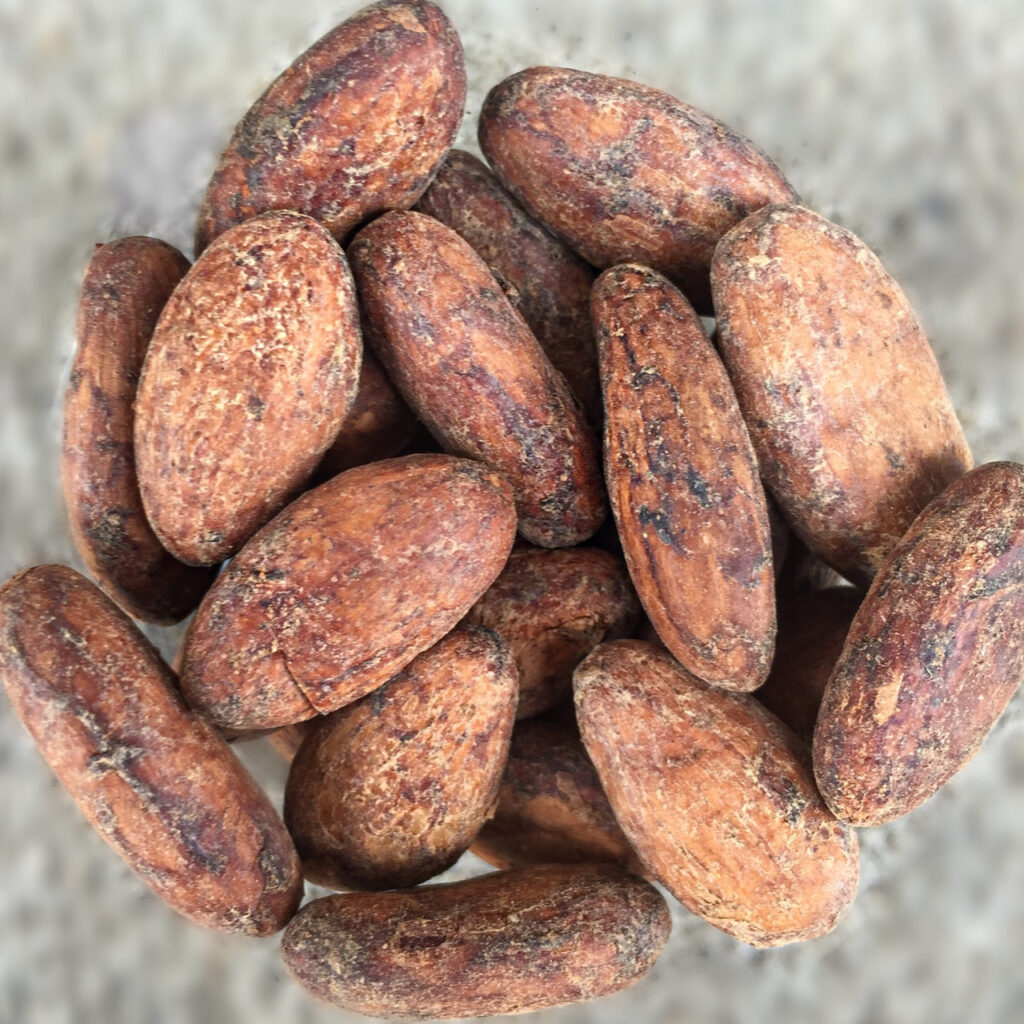
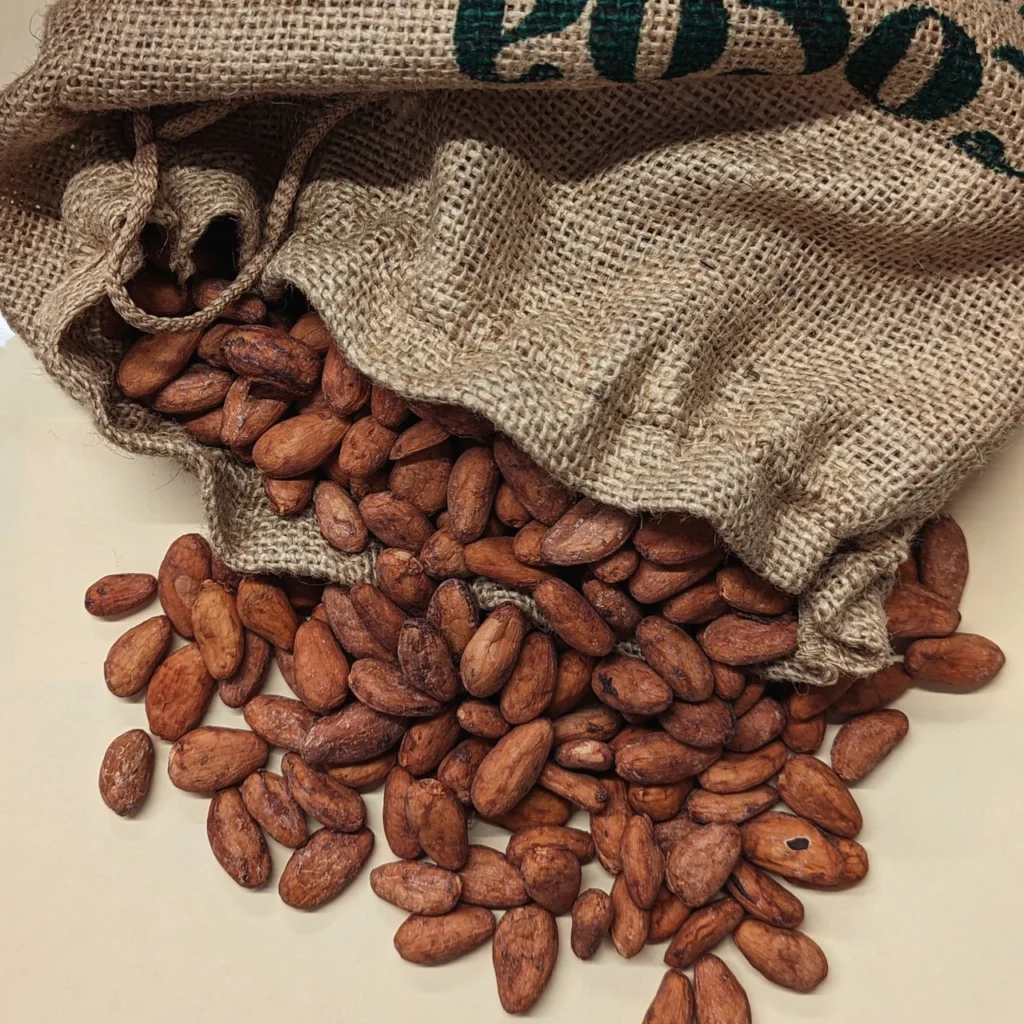
Peruvian Cheni Cacao Beans are an intriguing specialty cacao option for chocolate makers, cacao buyers, chocolatiers, food manufacturers and businesses seeking distinctive Peruvian-origin cocoa. Peru has developed a strong reputation in the specialty cacao sector, with diverse growing regions, traditional farming communities and a broad range of cacao genetics contributing to the country’s identity as a source of differentiated cacao. Peruvian Cheni Cacao Beans
For commercial buyers, origin-specific cacao can provide an opportunity to develop chocolate and cocoa products with a clear geographical story. Peruvian Cheni Cacao Beans can be positioned as a premium ingredient for businesses looking to explore Peruvian cacao and create products that stand apart from generic commodity cocoa.
The quality and flavour of cacao depend on many factors, including genetics, growing conditions, harvesting, fermentation, drying, storage and roasting. Consequently, buyers should assess individual lots and obtain appropriate specifications before making purchasing decisions.
Whether you are developing bean-to-bar chocolate, gourmet confectionery, cocoa-based beverages or specialty food products, Peruvian Cheni Cacao Beans can provide an interesting foundation for product development and origin-focused storytelling.
Peruvian Cheni Cacao Beans Origin
The Peruvian origin of Peruvian Cheni Cacao Beans is an important part of their commercial identity. Peru is home to numerous cacao-producing communities and a diverse range of growing environments.
Peruvian cacao is cultivated across different regions, with local variations in climate, soil, altitude, agricultural practices and cacao genetics contributing to differences between lots.
For specialty chocolate businesses, identifying the origin of cacao can be valuable because it allows producers to communicate more information about the ingredient behind their finished products.
An origin-focused approach can also help chocolate brands develop stronger product narratives. Information about the producing region, farming community, post-harvest practices and cacao characteristics can become part of packaging, websites and marketing materials.
Peruvian Cheni Cacao Beans Growing Environment
The growing environment plays a significant role in the development of Peruvian Cheni Cacao Beans.
Cacao trees require suitable temperatures, moisture and growing conditions to produce healthy pods. Peru’s diverse geography creates a variety of agricultural environments in which cacao can be cultivated.
Depending on the specific producing area, cacao may be grown alongside other crops and within agricultural landscapes influenced by local ecosystems.
Soil characteristics, rainfall patterns, irrigation, shade, farming methods and seasonal conditions can all influence cacao production.
For commercial buyers, understanding the specific growing environment associated with a particular Cheni cacao lot can provide useful information when evaluating its potential sensory characteristics and consistency.
Peruvian Cheni Cacao Beans Flavor Profile
The potential flavour profile of Peruvian Cheni Cacao Beans is one of the most important considerations for chocolate makers.
Cacao flavour is influenced by genetics and post-harvest processing, meaning sensory characteristics can vary from one producer or lot to another.
Well-managed specialty cacao may offer a range of aromatic characteristics, potentially including fruity, floral, nutty, caramel-like, earthy or chocolate-forward notes.
The final flavour expression depends heavily on fermentation, drying and roasting. A chocolate maker can therefore influence the characteristics of the finished chocolate through careful processing.
For this reason, professional buyers should request samples and conduct sensory evaluations rather than relying solely on general origin descriptions.
Peruvian Cheni Cacao Beans Specialty Cacao
Peruvian Cheni Cacao Beans can be an appealing ingredient for the specialty cacao market.
Specialty chocolate makers generally place greater emphasis on factors such as origin, traceability, fermentation quality, bean condition and sensory characteristics.
For these producers, cacao is more than a commodity ingredient. It can serve as the defining foundation of a finished chocolate product.
Using Peruvian cacao allows brands to communicate an origin story while potentially offering customers a distinctive sensory experience.
A chocolate company may use Cheni cacao for a limited-edition chocolate, a single-origin collection or a signature recipe depending on the characteristics of the individual lot.
Peruvian Cheni Cacao Beans Bean-to-Bar Chocolate
The bean-to-bar chocolate industry has increased interest in origin-specific cacao such as Peruvian Cheni Cacao Beans.
Bean-to-bar producers transform whole cacao beans into finished chocolate while carefully controlling stages such as roasting, grinding, refining and conching.
For a chocolate maker, Cheni cacao can provide an opportunity to experiment with different roasting profiles and formulations.
A lighter roast may be explored when the producer wants to preserve delicate aromatic characteristics, while a more developed roast may emphasise deeper cocoa and roasted notes.
Chocolate makers can therefore use the same origin as a starting point for different product-development experiments.
Peruvian Cheni Cacao Beans Fermentation
Fermentation is a critical stage in producing high-quality Peruvian Cheni Cacao Beans.
Fresh cacao beans are surrounded by a sugary pulp. During fermentation, naturally occurring microorganisms break down the pulp and create heat and biochemical changes within the beans.
These changes help develop the flavour precursors that become more noticeable during roasting.
The fermentation process requires careful management. Temperature, duration, turning, bean quantity and environmental conditions can all influence the result.
For specialty cacao buyers, fermentation quality is therefore a major component of quality assessment.
Consistent fermentation can help chocolate makers achieve more predictable flavour and production results.
Peruvian Cheni Cacao Beans Drying
After fermentation, Peruvian Cheni Cacao Beans must be dried to reduce moisture and stabilise the beans for storage and transportation.
Drying is an essential post-harvest process because excessive moisture can contribute to quality problems during storage.
Sun drying may be used by producers depending on local conditions and available infrastructure. Proper airflow and controlled drying help protect the quality developed during fermentation.
Commercial buyers should consider moisture levels, bean appearance, aroma and defect rates when evaluating dried cacao.
Appropriate drying also contributes to safer transportation and longer-term storage.
Peruvian Cheni Cacao Beans Quality
Quality assessment is essential when sourcing Peruvian Cheni Cacao Beans for commercial chocolate production.
Buyers should consider factors such as:
- Bean size and consistency
- Moisture content
- Fermentation level
- Physical defects
- Foreign material
- Aroma
- Flavour
- Storage condition
- Traceability
- Harvest information
Professional chocolate makers https://cocoasupply.com/ may conduct cut tests to examine the internal colour and fermentation characteristics of the beans.
Roasting samples can provide additional insight into flavour development and processing performance.
A detailed specification sheet from the supplier can also help commercial buyers compare different lots.
Peruvian Cheni Cacao Beans Traceability
Traceability can add significant value to Peruvian Cheni Cacao Beans.
Specialty chocolate consumers increasingly appreciate information about where their ingredients originate. When supply-chain information is available, brands can communicate the cacao’s geographical origin and production story.
Traceability may include details about the producer, cooperative, community, farm area, harvest period, fermentation process and drying method.
For chocolate companies, this information can be incorporated into product packaging, websites and marketing campaigns.
A transparent origin story can help establish a stronger connection between cacao farmers and consumers of finished chocolate.
Peruvian Cheni Cacao Beans for Chocolate Makers
Chocolate makers can use Peruvian Cheni Cacao Beans as a foundation for a variety of chocolate formulations.
Before beginning commercial production, it is advisable to test a representative sample.
Sample roasting allows the chocolate maker to evaluate aroma, bean behaviour, shell characteristics and flavour development.
The beans can then be tested in small-batch chocolate production to determine an appropriate roast profile and recipe.
Factors such as cocoa percentage, sugar level, refining time and conching can influence the final result.
This experimental approach allows producers to understand the specific characteristics of each cacao lot.
Peruvian Cheni Cacao Beans Single-Origin Chocolate
Single-origin chocolate highlights cacao from a specific geographical source. Peruvian Cheni Cacao Beans can be suitable for this approach when the lot has appropriate quality and traceability.
A single-origin chocolate bar can place the cacao’s geographical identity at the centre of the product.
Packaging can communicate information about Peru, the producing community, cultivation practices and the chocolate’s sensory characteristics.
For specialty retailers, this can provide an educational opportunity by helping customers understand how cacao origin influences chocolate.
Single-origin products can also form part of tasting collections that compare cacao from different regions.
Peruvian Cheni Cacao Beans Premium Chocolate
Premium chocolate manufacturers often seek ingredients with distinctive identity, reliable quality and strong traceability.
Peruvian Cheni Cacao Beans can be considered for premium chocolate development when individual lots meet the manufacturer’s specifications.
These beans may be used for dark chocolate, milk chocolate, specialty couvertures or limited-production products depending on their sensory performance.
The origin story can complement the sensory experience, particularly when the chocolate maker has detailed information about the cacao’s production and post-harvest practices.
Peruvian Cheni Cacao Beans Commercial Applications
The potential applications of Peruvian Cheni Cacao Beans extend beyond traditional chocolate bars.
Depending on the desired manufacturing process, cacao beans can be transformed into:
- Cocoa nibs
- Cocoa liquor
- Cocoa mass
- Cocoa powder
- Cocoa butter
- Chocolate
- Confectionery
- Cocoa beverages
- Bakery ingredients
- Dessert ingredients
This versatility allows food manufacturers to incorporate Peruvian cacao into different product categories.
Businesses can select the processing format according to their equipment, recipes, target market and product-development goals.
Peruvian Cheni Cacao Beans for Chocolatiers
Chocolatiers can explore Peruvian Cheni Cacao Beans when developing premium confectionery.
Cacao with distinctive sensory characteristics can contribute to chocolate truffles, pralines, bars, ganaches and other artisan products.
The chocolatier can experiment with roast development and chocolate formulation to determine how the cacao interacts with ingredients such as nuts, fruits, spices, vanilla and caramel.
The origin can also become part of the product story, giving customers more information about the cacao used in the finished confectionery.
Peruvian Cheni Cacao Beans Sustainability
Sustainability is an important consideration for businesses sourcing specialty cacao.
When purchasing Peruvian Cheni Cacao Beans, buyers may wish to understand the farming and supply-chain practices associated with the specific product.
Responsible cacao sourcing can involve transparent producer relationships, environmental stewardship, responsible agricultural practices and appropriate commercial relationships throughout the supply chain.
Where sustainability certifications are claimed, buyers should request relevant documentation and confirm that the certification applies to the specific product and supply chain.
A transparent sourcing approach can benefit producers while also strengthening the credibility of chocolate brands.
Peruvian Cheni Cacao Beans Storage
Proper storage is essential for maintaining the quality of Peruvian Cheni Cacao Beans after arrival.
Cacao should generally be kept in a clean, dry and well-ventilated environment protected from pests, excessive moisture and strong external odours.
Cacao beans can absorb odours from their surroundings, so storage areas should be kept away from chemicals and strongly scented materials.
Appropriate inventory rotation can also help manufacturers maintain consistent bean quality.
Commercial businesses should establish clear receiving and storage procedures to protect cacao between delivery and processing.
Peruvian Cheni Cacao Beans for Gourmet Products
The origin identity of Peruvian Cheni Cacao Beans can make them attractive for gourmet food development.
Specialty chocolate, artisan confectionery, premium cocoa beverages and high-end desserts can all incorporate carefully selected Peruvian cacao.
Chefs and product developers can experiment with different processing approaches to highlight the characteristics of the beans.
The combination of origin storytelling and carefully developed flavour can provide a strong foundation for premium food products.
Peruvian Cheni Cacao Beans Market Appeal
The market appeal of Peruvian Cheni Cacao Beans comes from the growing consumer interest in specialty chocolate and origin-specific ingredients.
Today’s chocolate buyers may be interested not only in sweetness and texture but also in the origin, production practices and flavour characteristics of the cacao.
For businesses, this creates opportunities to differentiate products through transparent sourcing and origin-focused storytelling.
A Peruvian cacao product can communicate a sense of place while offering chocolate makers an opportunity to explore the country’s diverse cacao resources.
Peruvian Cheni Cacao Beans International Sourcing
International buyers sourcing Peruvian Cheni Cacao Beans should consider product quality, documentation, logistics and destination-market requirements.
Commercial purchases may require information relating to origin, specifications, packaging, shipment details and food-safety compliance.
Import regulations can vary between countries, so businesses should confirm applicable requirements before arranging shipments.
Buyers should also discuss minimum order quantities, lead times, sample policies and quality specifications with suppliers.
Clear communication throughout the purchasing process can help reduce the risk of discrepancies between samples and commercial shipments.
Peruvian Cheni Cacao Beans Product Development
Peruvian Cheni Cacao Beans can be used in product-development programs where manufacturers want to test a new cacao origin.
A typical development process may involve sample evaluation, test roasting, small-batch chocolate production, sensory testing and recipe refinement.
Chocolate makers can experiment with different roast temperatures and times to determine how the cacao develops during processing.
They can then evaluate different cocoa percentages and formulations to find a product style that best complements the characteristics of the beans.
This systematic approach can help manufacturers move from raw cacao to a commercially viable finished product.
Peruvian Cheni Cacao Beans Buying Considerations
Businesses purchasing Peruvian Cheni Cacao Beans should evaluate several factors before placing a commercial order.
Origin: Confirm the stated geographical origin and available traceability information.
Quality: Request specifications for fermentation, moisture and defects.
Samples: Test a representative sample before committing to larger volumes.
Processing: Understand the fermentation and drying methods used.
Storage: Confirm how the beans have been stored before shipment.
Packaging: Ensure the packaging is appropriate for cacao transportation and storage.
Documentation: Request relevant product and shipment documentation.
Supply: Discuss availability, harvest periods and potential consistency between lots.
Application: Test the cacao in the intended chocolate or food application.
Commercial terms: Confirm quantities, lead times and delivery arrangements before ordering.
Taking these steps can help chocolate manufacturers select cacao that matches their production requirements.
Peruvian Cheni Cacao Beans Final Thoughts
Peruvian Cheni Cacao Beans provide an interesting option for chocolate makers, specialty cacao buyers, chocolatiers and food manufacturers seeking Peruvian-origin cacao for premium product development.
Their commercial potential is connected to the broader appeal of Peruvian cacao, specialty chocolate, origin transparency and the growing interest in distinctive cocoa ingredients.
For bean-to-bar producers, the beans can become the foundation of an origin-focused chocolate. For chocolatiers, they can provide a starting point for premium confectionery and experimental recipes. For food manufacturers, they can be processed into a range of cocoa ingredients and products.
The ultimate quality and flavour of any cacao lot depend on genetics, cultivation, harvest timing, fermentation, drying, storage and roasting. Buyers should therefore evaluate individual lots carefully and obtain appropriate specifications before purchasing.
For businesses looking to explore Peruvian cacao and develop products with a clear origin identity, Peruvian Cheni Cacao Beans can provide an appealing ingredient for specialty chocolate and premium food applications. Contact Us

Reviews
There are no reviews yet.