
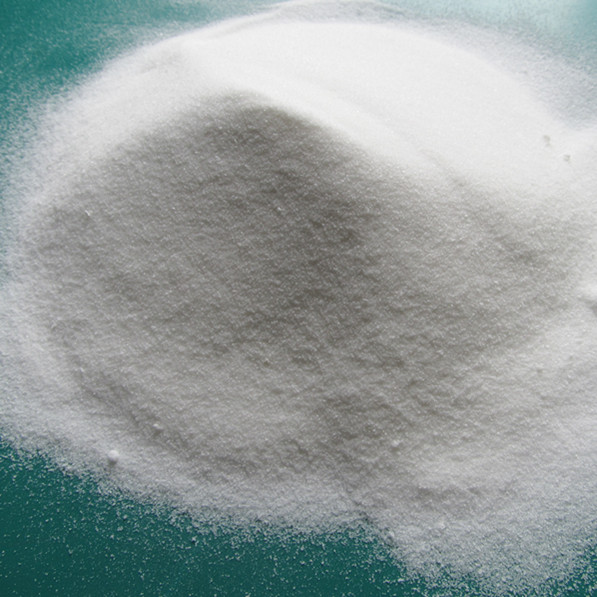
Nitrate of Potassium Powder KNO3 Fertilizer
Nitrate of Potassium Powder KNO3 Fertilizer is a premium, fully water‑soluble source of potassium and nitrate nitrogen, widely used in high‑value crop production, fertigation, hydroponics, and foliar programs. Typically labeled as 13‑0‑46 or 13.5‑0‑46 (N‑P‑K₂O), it delivers immediately available nitrate‑N and chloride‑free potassium in a fine crystalline powder that dissolves completely in irrigation water.
This commercial article is optimized for distributors, blending plants, greenhouse operators, and large‑farm buyers searching for Nitrate of Potassium Powder KNO3 Fertilizer across the full purchase journey: from specifications and agronomic benefits to typical price ranges, packaging, and how to source from Nitrate of Potassium Powder KNO3 Fertilizer manufacturers and wholesalers.

Nitrate of Potassium Powder KNO3 Fertilizer
Nitrate of Potassium Powder KNO3 Fertilizer refers to agricultural‑grade potassium nitrate (KNO₃) in powder or fine crystal form, designed for complete dissolution in water and rapid nutrient availability. It is one of the few fertilizers that supplies both potassium and nitrogen in a single, highly soluble salt, with nitrogen present entirely as nitrate (NO₃⁻).
Core specifications
Typical technical specifications for agricultural/technical grade Nitrate of Potassium Powder KNO3 Fertilizer include:ihumate+2
-
NPK grade: 13‑0‑46 or 13.5‑0‑46 (N‑P‑K₂O)
-
Total nitrogen (N): ≥ 13.0–13.5%
-
Nitrate nitrogen (N‑NO₃): ≥ 13.0–13.5% (i.e., virtually all N is in nitrate form)
-
Water‑soluble potassium oxide (K₂O): ≥ 45–46%
-
Potassium (K): approximately 38% (derived from K₂O)
-
Purity (KNO₃): ≥ 99% in many premium grades
-
Chloride (Cl): ≤ 0.2% (very low, making it suitable for chloride‑sensitive crops)
-
Water‑insoluble matter: ≤ 0.1%
-
Moisture: ≤ 0.2–0.5% for free‑flowing powder
-
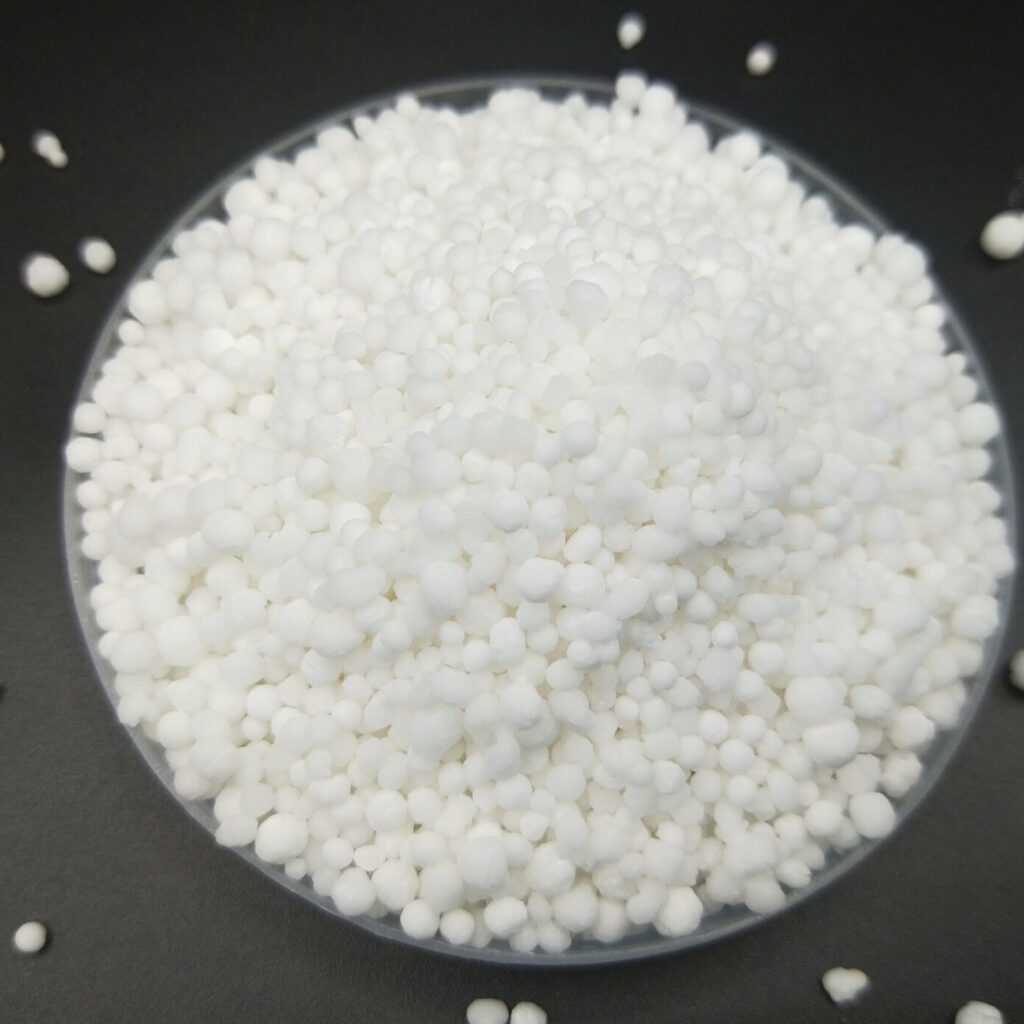
Appearance: white crystals or crystalline powder
-
Water solubility: ~100% (fully soluble at typical fertigation concentrations)
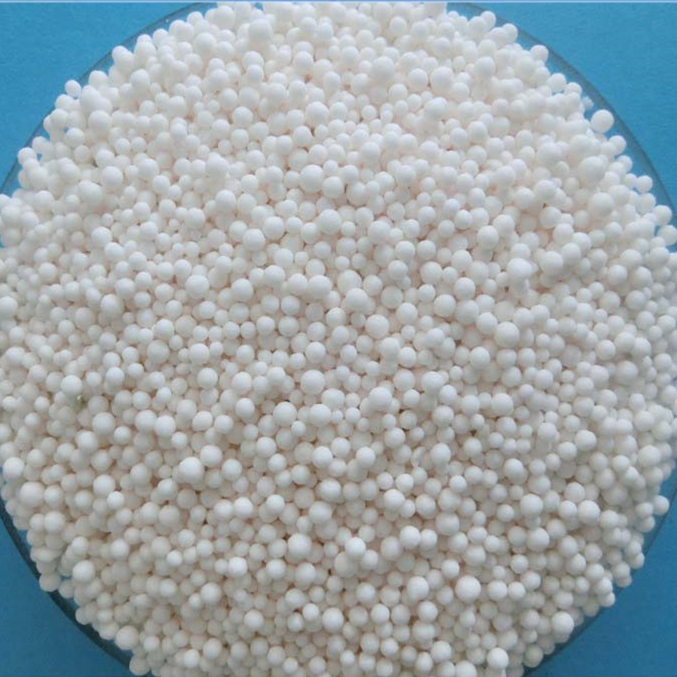
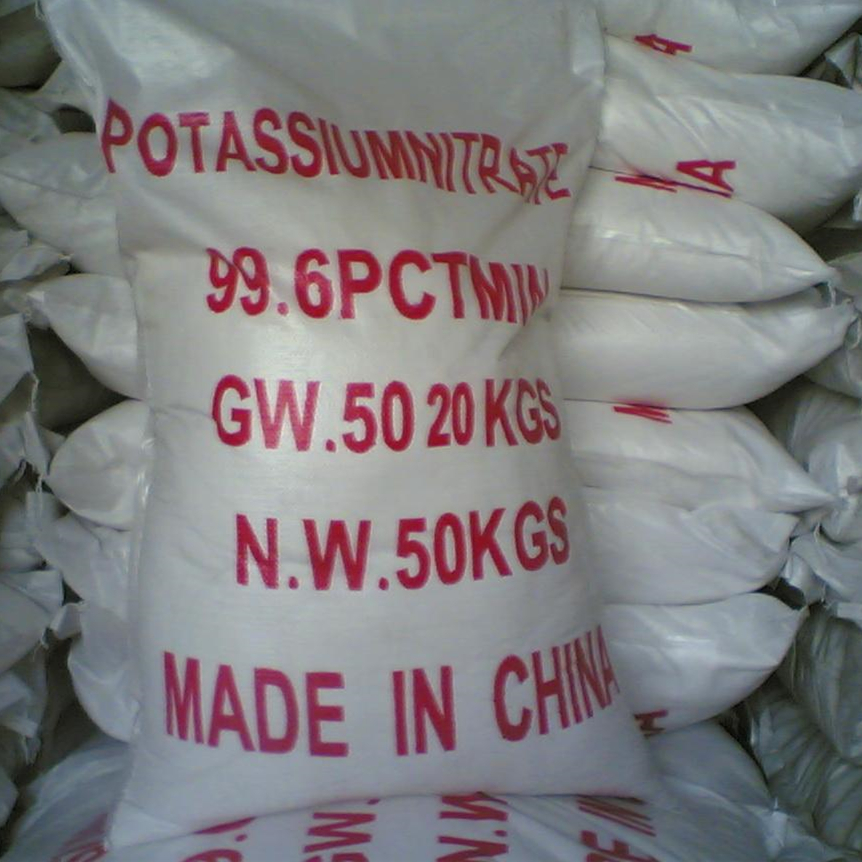
Physical form is usually a fine powder or small crystals that dissolve rapidly, with common packaging in 25 kg bags, 50 kg bags, or 1,000 kg jumbo bags for industrial and https://hortamericas.com/ agricultural buyers.
Why choose nitrate of potassium (KNO₃) over other K sources?
Nitrate of Potassium Powder KNO3 Fertilizer offers several agronomic advantages compared with chloride‑based potash (MOP) or sulphate‑based potash (SOP)
-
Chloride‑free potassium: Ideal for chloride‑sensitive crops such as tobacco, potatoes, some fruits, and certain vegetables, where chloride can affect quality or yield.
-
Nitrate nitrogen: Provides immediately available N that is readily taken up by roots and translocated within the plant, supporting rapid growth, fruit filling, and stress recovery.
-
High solubility: Fully dissolves in irrigation water, making it ideal for drip fertigation, hydroponic nutrient solutions, and foliar sprays without clogging emitters or leaving residues.
-
Low salt index relative to some alternatives: When used at recommended rates, KNO₃ can deliver high K with manageable salinity, especially in controlled irrigation systems.
-
Synergy with other nutrients: Nitrate‑N enhances uptake of cations like K⁺, Ca²⁺, and Mg²⁺, helping to balance nutrition in high‑value crops.
These properties make Nitrate of Potassium Powder KNO3 Fertilizer a preferred choice for greenhouse production, hydroponics, high‑tunnel vegetables, fruit orchards, and precision fertigation programs.
Primary agronomic benefits
When used correctly, Nitrate of Potassium Powder KNO3 Fertilizer supports
-
Strong vegetative growth and sustained canopy development through readily available nitrate
-
Improved fruit size, color, sugar content (Brix), and overall quality in many horticultural crops
-
Enhanced stress tolerance (heat, drought, salinity) due to balanced K and nitrate nutrition
-
Better nutrient balance in programs that already supply ammoniacal or urea‑N, by adding nitrate‑N to diversify nitrogen forms
-
Clean, clog‑free fertigation and hydroponic systems thanks to high purity and full solubility
Field and greenhouse programs often use KNO₃ to “top up” potassium during fruiting and bulking stages while simultaneously supplying nitrate‑N to maintain growth and photosynthetic capacity. Follow us on Facebook
Ideal crops and use cases
Nitrate of Potassium Powder KNO3 Fertilizer is suitable for a wide range of high‑value crops, including:
-
Vegetables: tomatoes, peppers, cucumbers, lettuce, leafy greens, melons
-
Fruit crops: citrus, grapes, strawberries, blueberries, mango, pomegranate
-
Greenhouse and hydroponic production: nutrient film technique (NFT), drip systems, substrate culture
-
Chloride‑sensitive crops: tobacco, potatoes, some specialty vegetables and fruits
-
Turf and ornamentals where rapid greening and quality are priorities
It is particularly valuable in:
-
Fertigation programs requiring fully soluble, low‑residue K and N sources
-
Hydroponic nutrient recipes where precise control of NO₃⁻ and K⁺ is critical
-
Foliar feeding programs targeting quick correction of K and N deficiencies
Application guidelines
Nitrate of Potassium Powder KNO3 Fertilizer can be applied via several methods, depending on the production system
Fertigation (drip/micro‑sprinkler)
-
Dissolve the required amount in the irrigation tank or injection system; KNO₃ dissolves rapidly and completely.
-
Typical working concentrations in fertigation solutions are often in the range of 0.5–2 g/L, adjusted according to crop stage, EC targets, and overall nutrient program.
-
Use alongside other soluble fertilizers (e.g., calcium nitrate, magnesium sulphate, mono‑potassium phosphate) to build balanced nutrient solutions.
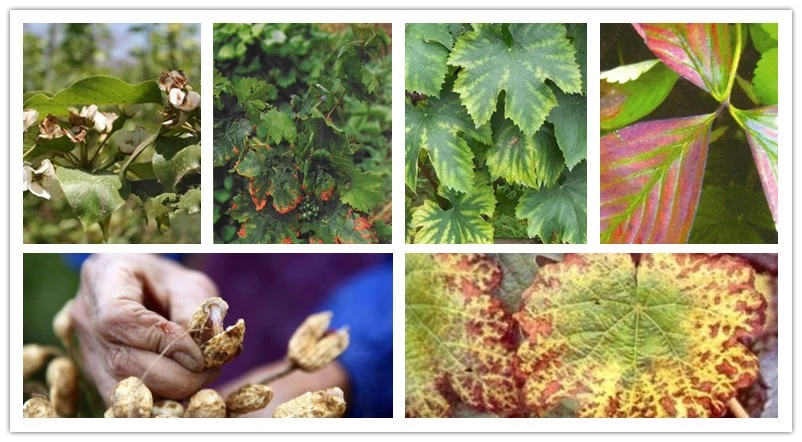
Hydroponics
-
KNO₃ is a core component of many hydroponic nutrient formulas, providing both K and NO₃⁻.
-
Dosing is calculated based on target ppm of K and N, EC, and the contributions from other salts in the recipe.
-
Maintain solution pH and EC within crop‑specific ranges; KNO₃ has a neutral to slightly alkaline effect on solution pH depending on the overall formula.
Foliar application
-
Use fully dissolved, filtered solutions at recommended dilution rates to avoid leaf burn.
-
Often applied during key growth stages (flowering, fruit set, bulking) to support rapid nutrient uptake through leaves.
-
Tank‑mix compatibility should be checked with other foliar products; avoid mixing with incompatible salts or high‑pH materials without testing.
Soil application (drench or banding)
-
Can be dissolved and applied as a soil drench around the root zone or used in banding where irrigation is limited.
-
Particularly useful for quick correction of K and N deficiencies or as a supplemental feed during critical growth stages.
Always align rates with soil or substrate tests, water analysis, crop nutrient removal, and local extension recommendations to optimize return on investment and avoid over‑fertilization.
Nitrate of Potassium Powder KNO3 Fertilizer in blending and formulation
For fertilizer blenders and formulators, Nitrate of Potassium Powder KNO3 Fertilizer is a key raw material for:
-
Water‑soluble NPK blends (e.g., 15‑5‑30, 12‑12‑36, 13‑4‑40) where high K and nitrate‑N are required
-
Hydroponic nutrient kits and professional greenhouse mixes
-
Specialty foliar products targeting fruit quality, color, and stress tolerance
Because KNO₃ is fully soluble and low in impurities, it integrates cleanly into multi‑component formulations without leaving significant residues or causing compatibility issues when used correctly.
Typical packaging and handling
Common commercial packaging for Nitrate of Potassium Powder KNO3 Fertilizer includes:
-
25 kg multi‑wall paper or PP bags with inner liner for moisture protection
-
50 kg bags for larger agricultural and industrial users
-
1,000 kg jumbo bags (FIBC) for blending plants and bulk buyers
Handling recommendations:
-
Store in a cool, dry, well‑ventilated area away from incompatible materials (strong reducers, organic combustibles, acids).
-
Keep bags sealed and off the floor on pallets to prevent moisture uptake and caking.
-
Use appropriate PPE (gloves, eye protection, dust mask) when handling powder to avoid irritation from dust.
Indicative pricing and market trends
Nitrate of Potassium Powder KNO3 Fertilizer is a higher‑value product compared with bulk MOP or urea, reflecting its purity, solubility, and dual‑nutrient profile. Recent market indications include:
-
Bulk agricultural/technical grade KNO₃ in some markets quoted in the range of roughly USD 700–1,200/MT, depending on purity, packaging, and origin.
-
China benchmark prices for potassium nitrate reported around USD 712/MT in early September 2026, down month‑on‑month but still above year‑ago levels.
-
Retail or small‑pack potassium nitrate (e.g., 25 kg bags, powder form) in some regions priced at approximately USD 1.5–2.0/kg (e.g., INR 130/kg equivalents in certain listings), reflecting packaging, distribution, and smaller volumes.
Actual prices for Nitrate of Potassium Powder KNO3 Fertilizer will vary by:
-
Grade (agricultural vs industrial vs laboratory) and purity (≥ 99% KNO₃ vs lower)
-
Packaging (25 kg vs 50 kg vs jumbo bags) and order volume
-
Origin, freight, and Incoterms (FOB/CIF/CFR)
-
Local market dynamics, including demand from greenhouse, hydroponic, and high‑value crop sectors
For accurate budgeting, request formal quotes with full specifications (N, K₂O, Cl, moisture, insolubles), packaging options, and validity from several KNO₃ suppliers or manufacturers.
Sourcing Nitrate of Potassium Powder KNO3 Fertilizer
For distributors and large buyers, Nitrate of Potassium Powder KNO3 Fertilizer is available from:
-
Specialized potassium nitrate manufacturers serving agriculture, greenhouse, and industrial markets
-
Fertilizer trading companies importing KNO₃ from major producing regions (including China and other industrial hubs)
-
Regional blenders formulating water‑soluble NPK and hydroponic nutrients using imported KNO₃ powder
When evaluating suppliers, focus on:
-
Verified nutrient analysis (N, K₂O, nitrate‑N) and impurity limits (Cl, insolubles, moisture) on the CoA
-
Physical quality: free‑flowing powder, low dust, consistent particle size for easy dissolution and handling
-
Packaging integrity and moisture protection to ensure product stability during storage and transport
-
Technical support for fertigation, hydroponic recipes, and crop‑specific programs
Positioning in commercial catalogs
For SEO and commercial catalogs, Nitrate of Potassium Powder KNO3 Fertilizer is typically positioned with phrases such as:
-
“Fully water‑soluble potassium nitrate 13‑0‑46 for fertigation and hydroponics”
-
“Chloride‑free KNO₃ powder fertilizer for high‑value crops and foliar feeding”
-
“Premium nitrate of potassium powder for greenhouse, hydroponic, and precision agriculture”
These descriptors align with buyer searches for potassium nitrate fertilizer, KNO₃ powder, 13‑0‑46 fertilizer, and soluble K+N sources, supporting both distributor listings and grower‑facing product pages.
Key takeaways for buyers and formulators
For buyers specifying Nitrate of Potassium Powder KNO3 Fertilizer, the most important parameters are:
-
Clear N and K₂O content (e.g., 13.5% N, 46% K₂O) and confirmation that N is primarily nitrate
-
Low chloride, low insolubles, and low moisture for clean, clog‑free irrigation and hydroponic systems
-
Proven solubility and physical quality (free‑flowing powder, minimal dust) for easy handling and dosing
-
Competitive pricing with transparent specs, packaging, and Incoterms
For formulators, KNO₃ is a cornerstone ingredient for high‑performance water‑soluble fertilizers and hydroponic nutrients, enabling precise control of nitrate‑N and potassium while maintaining solution clarity and system reliability.
Used correctly in fertigation, hydroponics, foliar, and soil programs, Nitrate of Potassium Powder KNO3 Fertilizer can be a high‑ROI input for growers focused on yield, quality, and efficient nutrient use in high‑value crop production. Contact
Reviews
There are no reviews yet.