
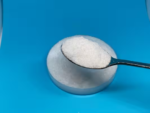
urea phosphate 17-44-0 up fertilizer
Description
Buy Urea Phosphate 17-44-0 UP Fertilizer, a water-soluble nitrogen and phosphorus fertilizer for agriculture, fertigation, irrigation, greenhouse production and wholesale supply.
Urea Phosphate 17-44-0 UP Fertilizer Use: Commercial Buying and Application Guide
Urea phosphate 17-44-0 UP fertilizer use provides crops with a concentrated combination of nitrogen and phosphorus in a fully water-soluble fertilizer. It is widely used in fertigation, drip irrigation, foliar feeding, hydroponics, greenhouse production, soil application, and high-value horticultural systems.
Urea phosphate contains approximately 17% nitrogen and 44% phosphorus expressed as P₂O₅, with no potassium. Its acidic solution can also help manage alkaline irrigation water and reduce mineral deposits in suitable irrigation systems. However, application rates, compatibility, and safety procedures should always be based on the product label, crop requirements, water quality, and local agronomic advice.
Urea phosphate 17-44-0 UP fertilizer
Urea phosphate is a crystalline nitrogen-phosphorus fertilizer produced by combining urea and phosphoric acid. Its common fertilizer grade is written as 17-44-0:
-
17% total nitrogen.
-
44% available phosphate expressed as P₂O₅.
-
0% potassium expressed as K₂O.
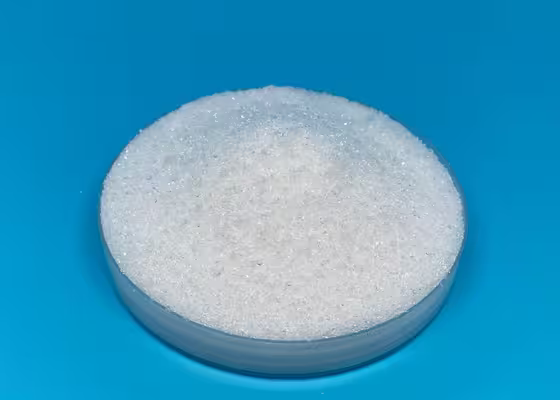
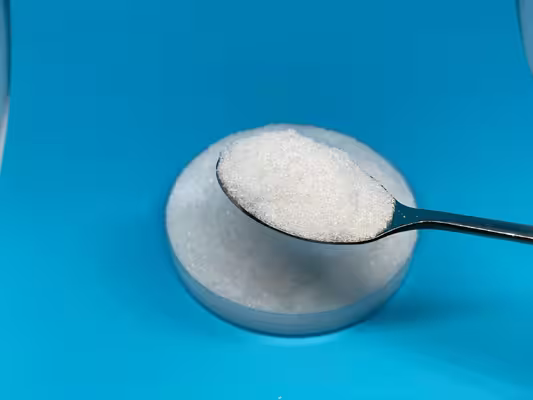
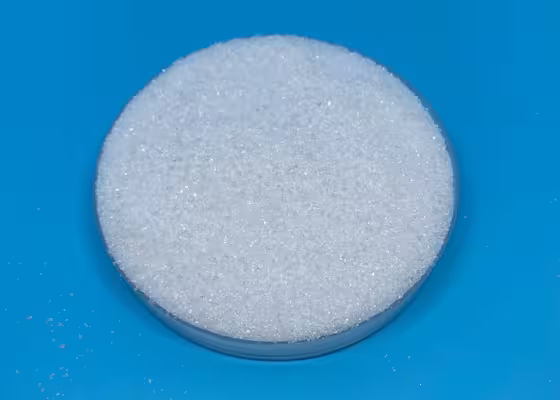
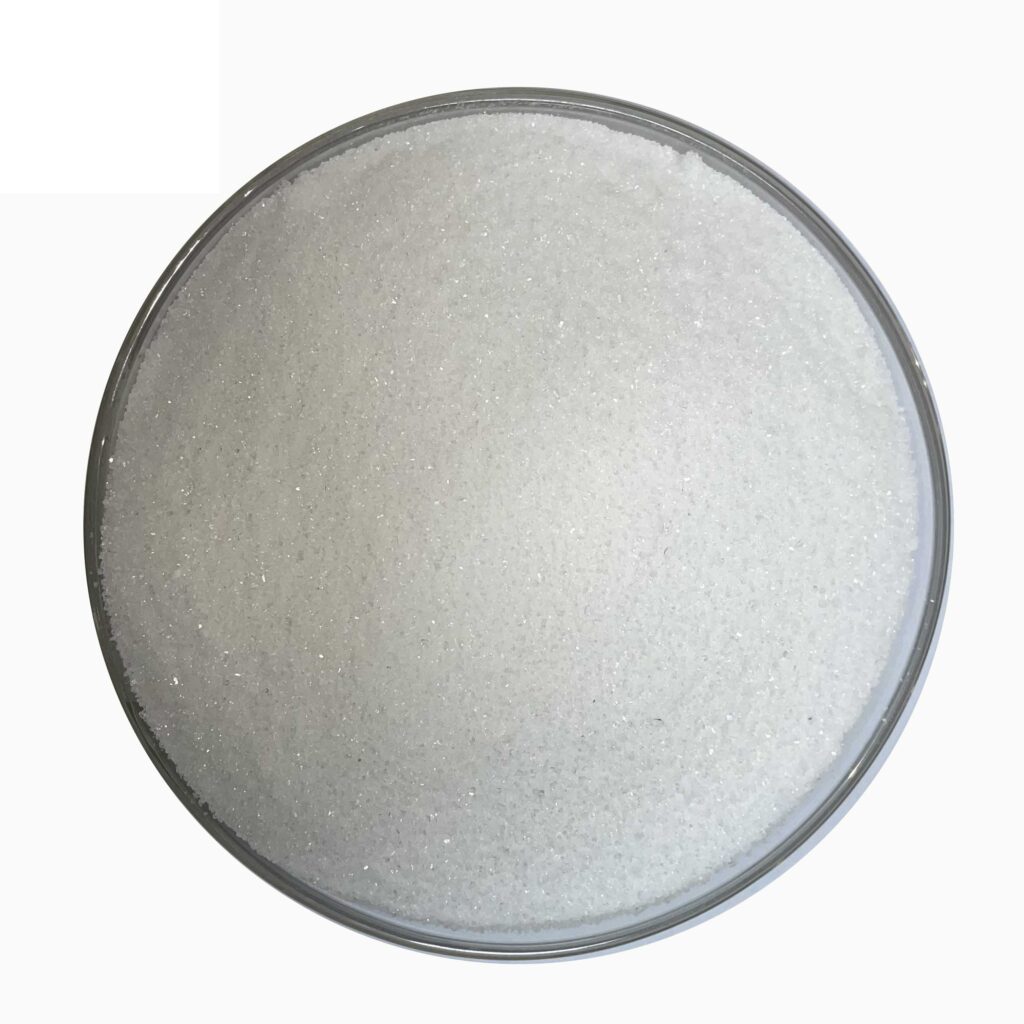
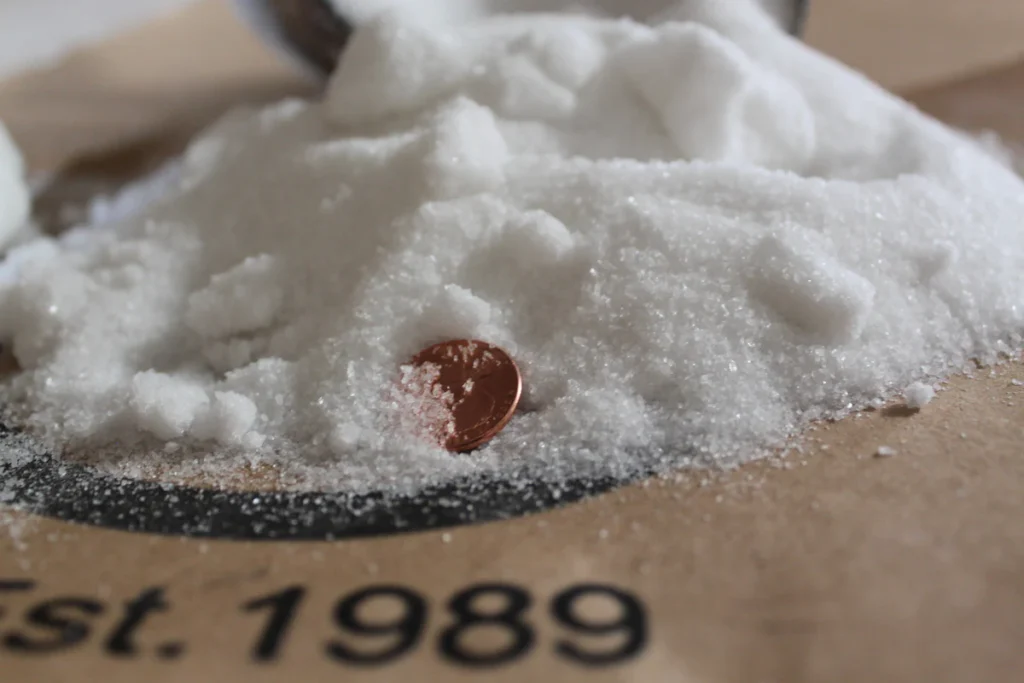
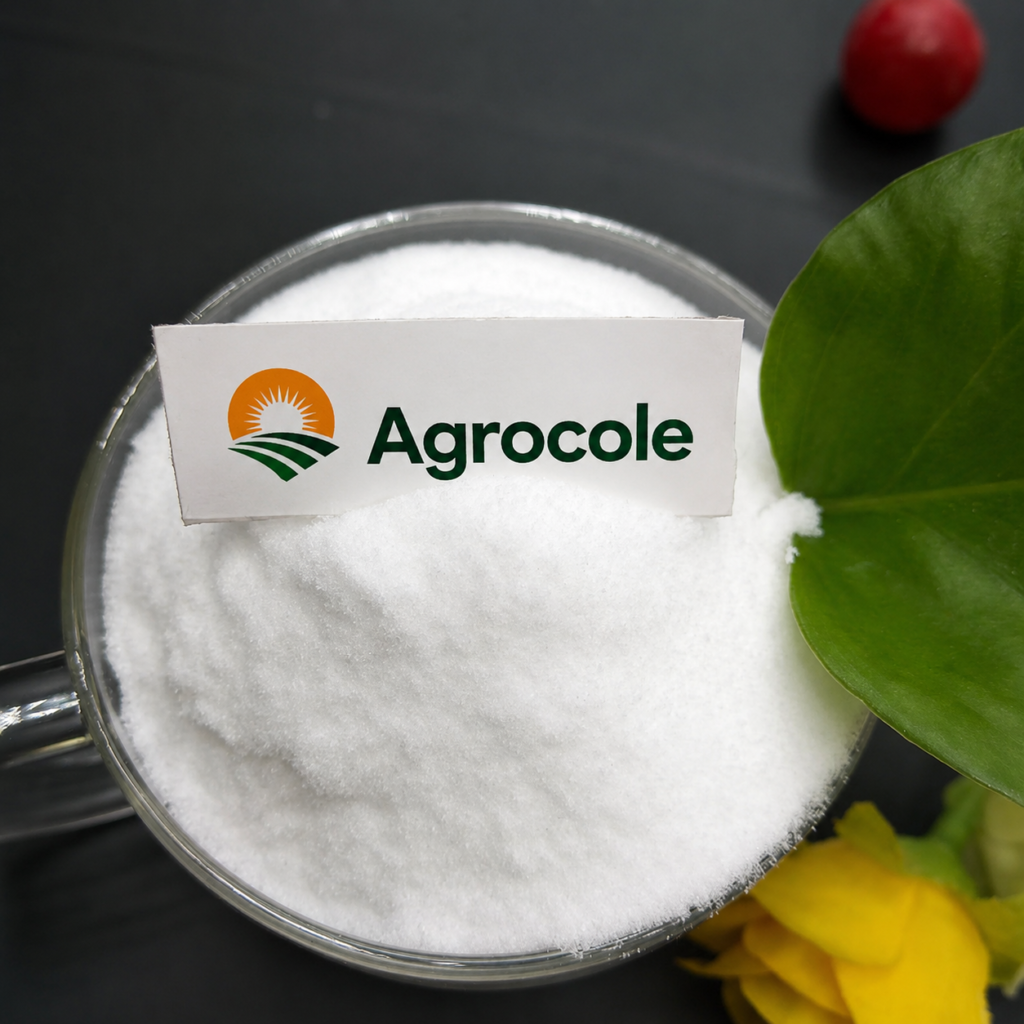
The product is usually supplied as white or off-white crystals or powder. High-quality agricultural grades are designed to dissolve rapidly in water and leave minimal insoluble residue. Commercial specifications commonly identify water solubility close to 100%, although exact insoluble https://hortamericas.com/ limits vary among manufacturers.
The high phosphorus content makes urea phosphate especially useful during early crop development, transplant establishment, root expansion, flowering preparation, and periods when crops require readily available phosphorus. Its nitrogen supports vegetative growth, while the acidic reaction can be valuable in alkaline soils or hard-water irrigation programs.
Urea phosphate fertilizer
Urea phosphate fertilizer supplies both nitrogen and phosphorus in a single water-soluble material. Nitrogen supports leaf and stem growth, chlorophyll formation, and protein production. Phosphorus supports root development, energy transfer, early establishment, flowering, fruiting, and seed development.
Unlike granular products intended primarily for broad-acre broadcasting, urea phosphate fertilizer is commonly dissolved and injected into irrigation water. This makes it suitable for precise nutrient delivery to the active root zone.
Urea phosphate may be useful for:
-
Vegetables and fruit crops.
-
Orchards and vineyards.
-
Greenhouse crops.
-
Nursery plants.
-
Ornamentals and flowers.
-
Hydroponic systems.
-
Fertigation through drip lines.
-
Crops grown in alkaline or calcareous soils.
-
Early-season crop establishment.
Urea phosphate is not a complete fertilizer because it contains no potassium and does not supply every micronutrient. A balanced crop nutrition plan may require potassium nitrate, potassium sulfate, magnesium, calcium, or a compatible micronutrient product. urea phosphate 17-44-0 up fertilizer
UP 17-44-0 fertilizer
UP 17-44-0 fertilizer is a concentrated NP fertilizer used where both nitrogen and phosphorus are required without additional potassium. The 17-44-0 analysis allows growers to supply a significant amount of phosphorus in a relatively small quantity of product.
For example, 100 kg of UP 17-44-0 contains approximately:
-
17 kg of nitrogen.
-
44 kg of P₂O₅.
-
0 kg of K₂O.
Because phosphorus is expressed as P₂O₅, buyers should not confuse the label percentage with elemental phosphorus. The product’s actual nutrient contribution should be calculated according to the guaranteed analysis and the application rate.
Urea phosphate 17-44-0
Urea phosphate 17-44-0 is particularly useful when a farm needs a soluble starter fertilizer with an acidic reaction. Product data from commercial manufacturers commonly reports nitrogen near 17%, P₂O₅ near 44%, and acidic solution pH values that may be approximately 1.5–3 depending on the concentration and specification.ottofert.com+1
The low pH does not mean that the product should be applied indiscriminately. Concentrated fertilizer solutions can damage irrigation components, roots, foliage, or skin. Always dilute the product correctly and verify that tanks, pipes, injectors, pumps, and emitters are compatible with acidic solutions.
Water soluble urea phosphate
Water soluble urea phosphate dissolves in irrigation water and can be delivered through precision application systems. A high-quality product should produce a clear or nearly clear solution when mixed correctly, with minimal sediment.
To prepare a solution:
-
Fill the mixing tank partly with clean water.
-
Start agitation or circulation.
-
Add the measured fertilizer gradually.
-
Allow the crystals to dissolve fully.
-
Add the remaining water.
-
Check for cloudiness, sediment, or unexpected heat.
-
Apply through a clean and properly calibrated system.
Use clean water whenever possible. Hard water, suspended soil particles, high bicarbonate levels, and incompatible fertilizers can affect solution stability or cause deposits.
Avoid mixing urea phosphate in the same concentrated stock tank with calcium-containing fertilizers unless a compatibility test confirms that the combination is safe. Product guidance commonly warns that urea phosphate is compatible with many water-soluble fertilizers but may be unsuitable for direct mixing with calcium or magnesium products in concentrated solutions.
Urea phosphate for fertigation
Urea phosphate for fertigation is injected into irrigation water so that nutrients reach the root zone during watering. It can be used with drip, sprinkler, micro-sprinkler, pivot, and some hydroponic systems, provided that the equipment and water chemistry are suitable.
Fertigation offers several advantages:
-
Delivers nutrients close to active roots.
-
Allows split applications throughout the crop cycle.
-
Reduces the need for large one-time fertilizer applications.
-
Supports nutrient management in sandy or highly leached soils.
-
Improves control over crop feeding in protected cultivation.
-
Can reduce fertilizer contact with dry soil surfaces.
Fertigation should be planned around irrigation duration and crop demand. A common method is to begin irrigation with clean water, inject fertilizer during the middle portion of the cycle, and finish with clean water to flush the lines. This helps move nutrients into the root zone and reduces fertilizer residue in pipes and emitters.
Some commercial guidance lists drip application rates such as 1.5–2.5 g per litre of water, while other product labels use seasonal or area-based rates. These recommendations are not interchangeable. Use the product label and calculate the final concentration according to crop stage, water volume, soil type, irrigation equipment, and the required nutrient rate.
Urea phosphate for irrigation
Urea phosphate for irrigation is often selected where growers want soluble nitrogen and phosphorus together with an acidic fertilizer reaction. Its acidity may help reduce carbonate deposits and improve water management in some systems, but it should not be treated as a universal pipe-cleaning solution.
Before using it in an irrigation system, check:
-
Irrigation-water pH and bicarbonate level.
-
Electrical conductivity.
-
Fertilizer injector capacity.
-
Pipe and emitter compatibility.
-
Presence of calcium, magnesium, iron, or suspended solids.
-
Drainage conditions.
-
Crop sensitivity to salts and acidity.
Irrigation water should be tested periodically. Excessive acidification can harm equipment, alter soil pH, injure roots, or create unsafe working conditions.
Urea phosphate fertilizer supplier
A reliable urea phosphate fertilizer supplier should provide a technical data sheet and certificate of analysis for the specific batch. Important information includes:
-
Nitrogen content.
-
P₂O₅ content.
-
Water solubility.
-
Moisture.
-
Insoluble matter.
-
Biuret level, where declared.
-
Solution pH.
-
Heavy-metal limits.
-
Packaging details.
-
Batch number and production date.
A supplier should also explain whether the product is agricultural grade, fertilizer-blending grade, or intended for another industrial application. Buyers should not rely only on the name “urea phosphate 17-44-0” because specifications can differ between manufacturers.
Urea phosphate wholesale
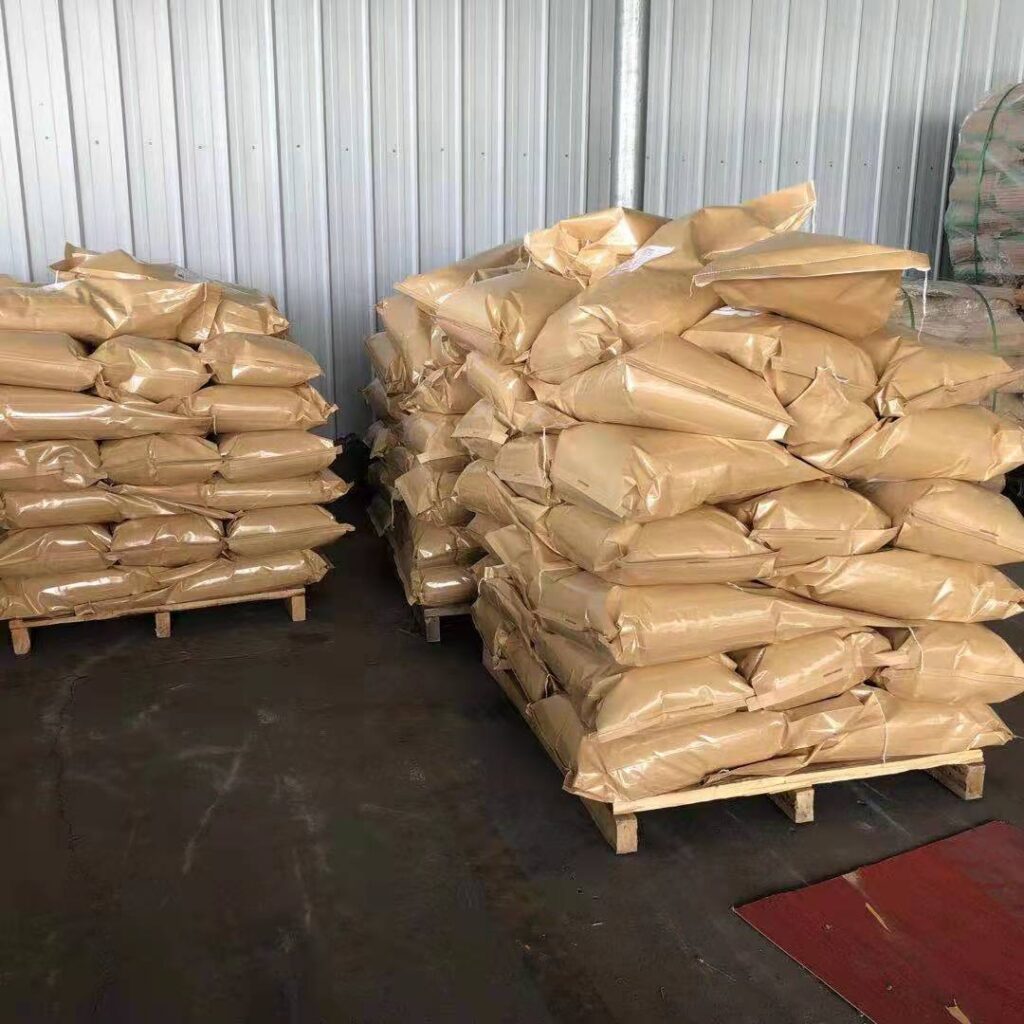
Urea phosphate wholesale purchasing is suitable for fertilizer distributors, commercial farms, greenhouse operators, agricultural cooperatives, and fertilizer formulators. Wholesale orders may be supplied in 25 kg or 50 kg bags, jumbo bags, pallets, or other formats depending on the manufacturer.
Before agreeing to a wholesale purchase, compare the delivered cost per tonne rather than the ex-factory price alone. Include:
-
Product cost.
-
Bagging and palletizing.
-
Inland transport.
-
Port charges.
-
Ocean freight.
-
Insurance.
-
Duties and taxes.
-
Customs clearance.
-
Warehouse handling.
-
Final delivery.
A bulk order only creates savings if the buyer can store the fertilizer in dry conditions and use it before moisture exposure causes caking or handling problems.
Bulk urea phosphate fertilizer
Bulk urea phosphate fertilizer is commonly purchased by large agricultural operations and regional distributors. It may be delivered in large bags or containerized shipments.
Storage conditions are important because urea phosphate is moisture-sensitive. Store bags on pallets in a dry, covered, well-ventilated warehouse. Keep the product away from rain, groundwater, condensation, and direct contact with damp floors.
Good bulk-storage practices include:
-
Keep bags sealed until use.
-
Stack bags safely and avoid excessive height.
-
Separate different batches.
-
Record receiving and opening dates.
-
Use first-in, first-out inventory rotation.
-
Inspect for caking, wetness, torn bags, and contamination.
-
Keep fertilizer away from food, animal feed, and incompatible chemicals.
Urea phosphate manufacturer
A urea phosphate manufacturer controls the raw materials, reaction process, crystallization, drying, screening, packaging, and quality testing. These steps affect purity, particle size, solubility, moisture, and solution clarity.
When buying directly from a manufacturer, request:
-
Factory profile.
-
Product specification.
-
Certificate of analysis.
-
Sample or pre-shipment inspection.
-
Production capacity.
-
Minimum order quantity.
-
Packaging options.
-
Loading port and delivery terms.
-
Batch traceability.
-
Regulatory documentation.
The manufacturer should be able to explain whether the product is suitable for fertigation, foliar application, hydroponics, or blending. Some grades may be optimized for different purposes.
Urea phosphate exporter
A urea phosphate exporter should understand international fertilizer logistics and the import requirements of the destination country. Export documentation may include a commercial invoice, packing list, certificate of origin, bill of lading, certificate of analysis, safety data sheet, and other documents required by customs or local authorities.
Buyers should confirm:
-
Country and factory of origin.
-
Port of loading.
-
Product grade.
-
Packaging format.
-
Quantity tolerance.
-
Incoterms.
-
Shipment schedule.
-
Inspection arrangements.
-
Payment security.
-
Claims and replacement procedures.
Verify the exporter’s company identity before sending payment. The exporter should use consistent company names across quotations, invoices, bank details, labels, and shipping documents.
Urea phosphate fertilizer price
Urea phosphate fertilizer price changes according to phosphoric acid and urea costs, energy prices, production capacity, exchange rates, packaging, freight, seasonal demand, and order size. Marketplace listings may show different prices for different pack sizes, grades, currencies, and delivery locations, so they are not directly comparable.
To compare quotations, request a written offer that states:
-
Price per kilogram or metric tonne.
-
Grade and guaranteed analysis.
-
Packaging.
-
Minimum order.
-
Delivery location.
-
Shipping terms.
-
Quotation validity.
-
Payment terms.
-
Taxes and duties.
-
Certificate-of-analysis availability.
The cheapest product may be more expensive in practice if it has poor solubility, excessive insoluble matter, inconsistent nutrient content, or damaged packaging.
Buy urea phosphate fertilizer
When you buy urea phosphate fertilizer, select the product according to the intended application method. For fertigation, prioritize water solubility, low insoluble content, predictable solution behavior, and compatibility with the irrigation system.
For foliar use, check crop-safety instructions and conduct a small test before treating a large area. Leaf burn can occur when the concentration is too high, spraying takes place in hot conditions, or the crop is already stressed.
For soil application, use soil-test results to determine the required phosphorus rate. Applying more fertilizer than the crop needs increases cost and may contribute to nutrient imbalance or environmental losses.
Buy urea phosphate 17-44-0
To buy urea phosphate 17-44-0 for commercial use, ask suppliers for a current batch certificate and product sample. Confirm that the label states approximately 17% nitrogen and 44% P₂O₅, and verify whether the product is fully water soluble.
Important checks include:
-
White or consistent crystalline appearance.
-
No visible contamination.
-
Low moisture.
-
Rapid dissolution.
-
Minimal insoluble residue.
-
Clearly printed batch information.
-
Sealed, undamaged packaging.
-
Appropriate agricultural registration where required.
Do not purchase a product solely because it is advertised as “high purity.” Ask for measurable specifications and independent verification when the order is large.
Urea phosphate supplier
A dependable urea phosphate supplier should provide both product and technical support. This is especially important for buyers using injection equipment or preparing concentrated fertilizer stock solutions.
Ask the supplier about:
-
Recommended stock-solution concentration.
-
Injection ratio.
-
Water compatibility.
-
Calcium and magnesium mixing restrictions.
-
Foliar concentration.
-
Crop-stage recommendations.
-
Storage period.
-
Safety precautions.
-
Local registration and labeling.
A supplier that cannot provide a specification sheet or answer basic compatibility questions may not be suitable for commercial procurement.
UP fertilizer supplier
An experienced UP fertilizer supplier can help buyers select between standard urea phosphate, blended NP products, and complete water-soluble fertilizers. The correct choice depends on soil fertility, crop stage, irrigation method, and the need for potassium or micronutrients.
Before purchasing, provide the supplier with the intended crop, acreage, irrigation type, water source, expected application rate, destination, and preferred packaging. This information supports a more accurate quotation and reduces the risk of ordering an unsuitable grade.
Urea phosphate fertilizer wholesale
Urea phosphate fertilizer wholesale contracts should specify the exact product grade and quality limits. Include the guaranteed nutrient analysis, moisture limit, insoluble matter, packaging, delivery schedule, inspection procedure, and remedy for nonconforming goods.
For recurring orders, consider staggered deliveries instead of storing an entire annual supply. This may reduce moisture exposure and warehouse requirements, although it can increase freight costs.
Urea phosphate bulk supplier
A urea phosphate bulk supplier should be able to discuss loading, unloading, storage, and moisture protection. Ask whether the product is supplied in standard bags, jumbo bags, or another bulk format.
The supplier should also confirm whether the product has been stored under dry conditions before shipment. Damp material may cake and dissolve unevenly, creating problems for fertilizer injectors and irrigation filters.
Bulk urea phosphate fertilizer
Bulk urea phosphate fertilizer works best as part of a planned crop-feeding program. Rather than applying one large quantity, growers may divide the product into several fertigation events based on crop development and nutrient uptake.
Split application is especially useful for high-value crops because it allows the grower to adjust feeding according to plant growth, weather, irrigation, and tissue-analysis results.
Urea phosphate manufacturer
When evaluating a urea phosphate manufacturer, compare more than production capacity. Quality consistency is important because variations in solubility or insoluble matter can affect injectors, filters, and emitters.
Request evidence of routine batch testing and ask whether the manufacturer can provide a retained sample for comparison. Large buyers may also use independent inspection before shipment.
UP fertilizer manufacturer
An UP fertilizer manufacturer may offer private-label packaging, customized bag sizes, pallet configurations, or recurring supply arrangements. These options are useful for distributors that sell under a regional brand.
However, custom packaging should not replace technical transparency. The finished bag should display the correct analysis, safe-handling information, batch identification, net weight, manufacturer or responsible party, and application instructions required by local law.
Urea phosphate fertilizer exporter
A professional urea phosphate fertilizer exporter should provide accurate shipping documents and a clear commercial quotation. Confirm whether the quoted price includes freight, insurance, port fees, and customs-related charges.
For containerized shipments, ask about container loading weight, pallet requirements, bag dimensions, moisture protection, and expected transit conditions. These details affect the final landed cost and product condition.
UP fertilizer exporter
An UP fertilizer exporter can be evaluated by its experience in serving the destination market. A company familiar with local import rules is more likely to provide correct documentation and avoid customs delays.
Request references or transaction history where appropriate, but independently verify them. Use contracts that identify the product, quantity, grade, delivery term, inspection method, and payment schedule.
Urea phosphate distributor
A urea phosphate distributor provides regional availability and may sell smaller quantities than an international exporter. This can benefit growers that need fast delivery without importing a full container.
Check the distributor’s storage conditions and inspect the packaging before purchase. A local product may have been stored for an extended period, particularly outside the main planting season.
Urea phosphate fertilizer dealer
A urea phosphate fertilizer dealer should be able to distinguish 17-44-0 from other water-soluble NP products. Confirm that the dealer is selling fertilizer-grade material and that the packaging has not been opened, relabeled, or exposed to moisture.
Dealers can be useful for trial quantities. Test a small quantity in the intended irrigation water before committing to a larger purchase.
Urea phosphate fertilizer price
The most useful way to compare urea phosphate fertilizer price is to calculate the cost per kilogram of nitrogen and P₂O₅ delivered to the farm or warehouse.
For one tonne of 17-44-0:
-
Nitrogen supplied: approximately 170 kg.
-
P₂O₅ supplied: approximately 440 kg.
A quotation should therefore be evaluated against the total delivered nutrient cost, not only the fertilizer price per tonne. Also consider the value of solubility, acidic reaction, reduced handling, and suitability for fertigation.
Urea phosphate 17-44-0 price
Urea phosphate 17-44-0 price may vary by purity, water-solubility specification, packaging, origin, and order size. Ask whether the quote is for agricultural grade and whether the product meets the intended irrigation or foliar-use requirements.
A clear quotation should state the currency, price basis, validity period, minimum order, delivery destination, and any extra charges.
UP 17-44-0 wholesale price
UP 17-44-0 wholesale price is usually negotiated according to shipment quantity and delivery terms. Large buyers can request discounts, but they should also negotiate quality assurance and inspection rights.
A wholesale contract may include:
-
Fixed pricing for a defined period.
-
Volume-based discounts.
-
Partial deliveries.
-
Private-label packaging.
-
Pre-shipment laboratory testing.
-
Replacement for off-specification material.
-
Agreed tolerances for weight and quality.
Urea phosphate bulk price
Urea phosphate bulk price should be compared using a landed-cost calculation. Include transportation, storage, financing, packaging, port charges, customs, taxes, insurance, and losses from damaged or caked product.
Bulk purchasing is most attractive when the buyer has a dry warehouse, predictable demand, suitable handling equipment, and enough turnover to prevent prolonged storage.
Agricultural urea phosphate supplier
An agricultural urea phosphate supplier should help match the fertilizer to crop needs and application equipment. Before ordering, verify the soil and irrigation conditions, especially water pH, bicarbonate, hardness, electrical conductivity, and the presence of calcium or magnesium.
Urea phosphate 17-44-0 is a valuable soluble NP fertilizer, but it should be used as part of a balanced nutrient program. Correct rate, dilution, compatibility, storage, and irrigation management are essential for safe and effective results.
Final buying checklist
Before purchasing urea phosphate, confirm:
-
17% nitrogen and 44% P₂O₅ analysis.
-
Water-solubility specification.
-
Insoluble matter limit.
-
Moisture and caking condition.
-
Solution pH.
-
Agricultural-grade status.
-
Certificate of analysis.
-
Batch and manufacturing details.
-
Compatibility with irrigation water.
-
Packaging and storage requirements.
-
Total delivered price.
-
Local fertilizer regulations.
-
Supplier’s export or distribution experience.
Used correctly, urea phosphate 17-44-0 UP fertilizer supports fast, precise nitrogen and phosphorus delivery through modern irrigation and crop-feeding systems. The strongest commercial buying decision combines verified product quality, correct agronomic use, reliable logistics, and a transparent delivered-price calculation. Follow Us On Facebook
Be the first to review “urea phosphate 17-44-0 up fertilizer” Cancel reply
Reviews
There are no reviews yet.